Key takeaways
- Starship reached orbit for the first time on Flight 14, launched from Texas at 13:49 UK time on 28 September 2026.
- Starship Flight 14 released all 26 Starlink V3 satellites, the first working satellites Starship has put into orbit.
- One of Starship's six engines shut down during the climb, so SpaceX brought the ship home after about three hours instead of ten.
- Starship splashed down in the Pacific north of Hawaii at about 16:57 UK time, and the Super Heavy booster came down in the Gulf of Mexico.
Jump to section 8 sections
- Starship Flight 14: What Happened on 28 September
- Did Starship Reach Orbit? Yes, Despite an Engine Failure
- Starship Deploys 26 Starlink V3 Satellites
- Why Starship Came Home Early
- Super Heavy Booster: Engine Out, Still a Splashdown
- Starship Flight 14 Timeline in UK Time
- Can You See Starship's Starlink Satellites From the UK?
- What's Next for Starship: Flight 15 and the Moon
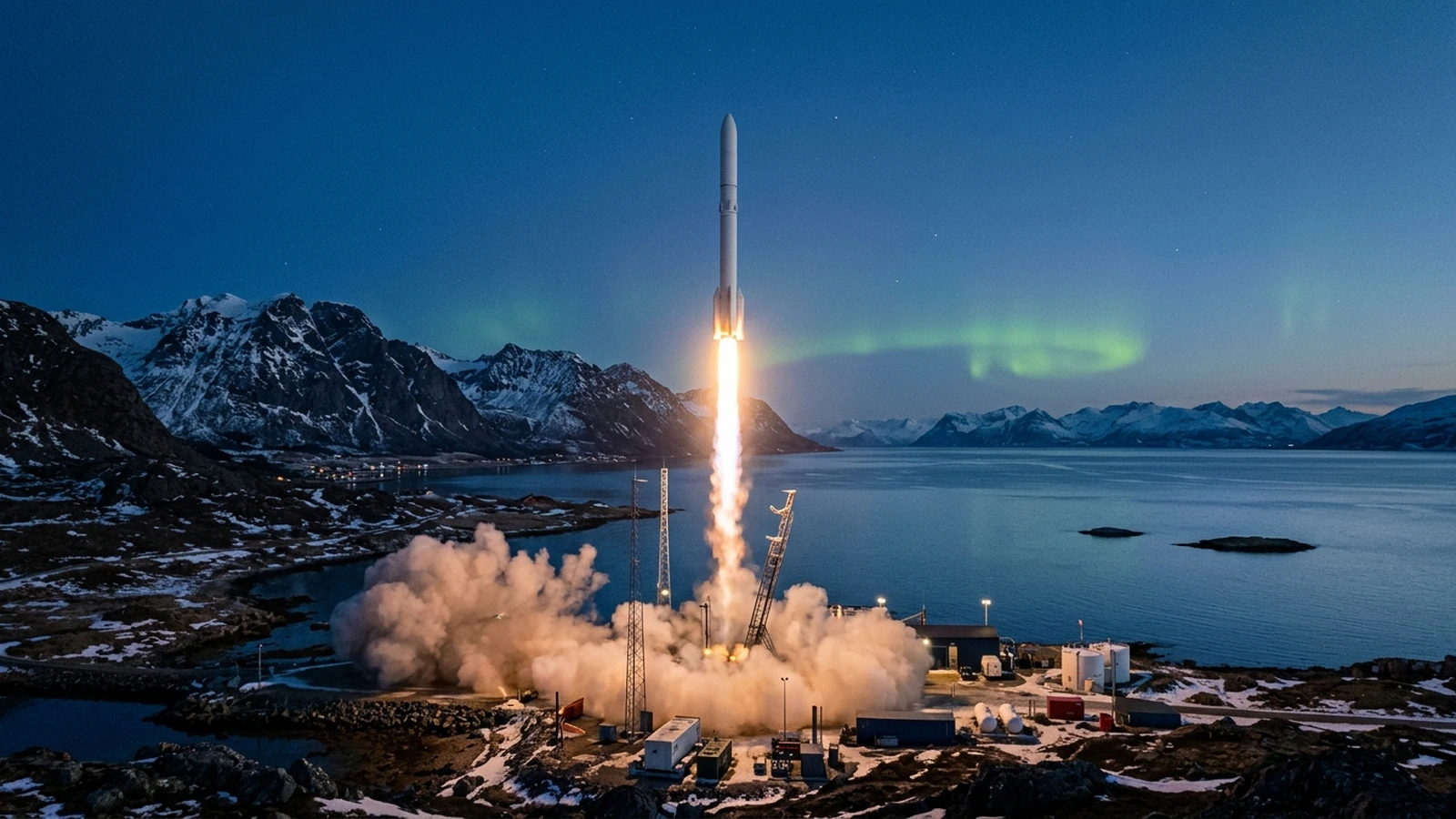
Starship has reached orbit. On Monday 28 September, SpaceX's Starship Flight 14 lifted off from Starbase in Texas at 13:49 UK time, lost one of its engines on the way up, and still made it into orbit for the first time. It then released all 26 of its Starlink satellites, the first working cargo the world's biggest rocket has ever delivered.
It wasn't the full flight SpaceX planned. The ship was meant to go round the Earth about six times over ten hours. Instead, it came home after about three. But the big goal, getting to orbit and dropping off satellites, was done.
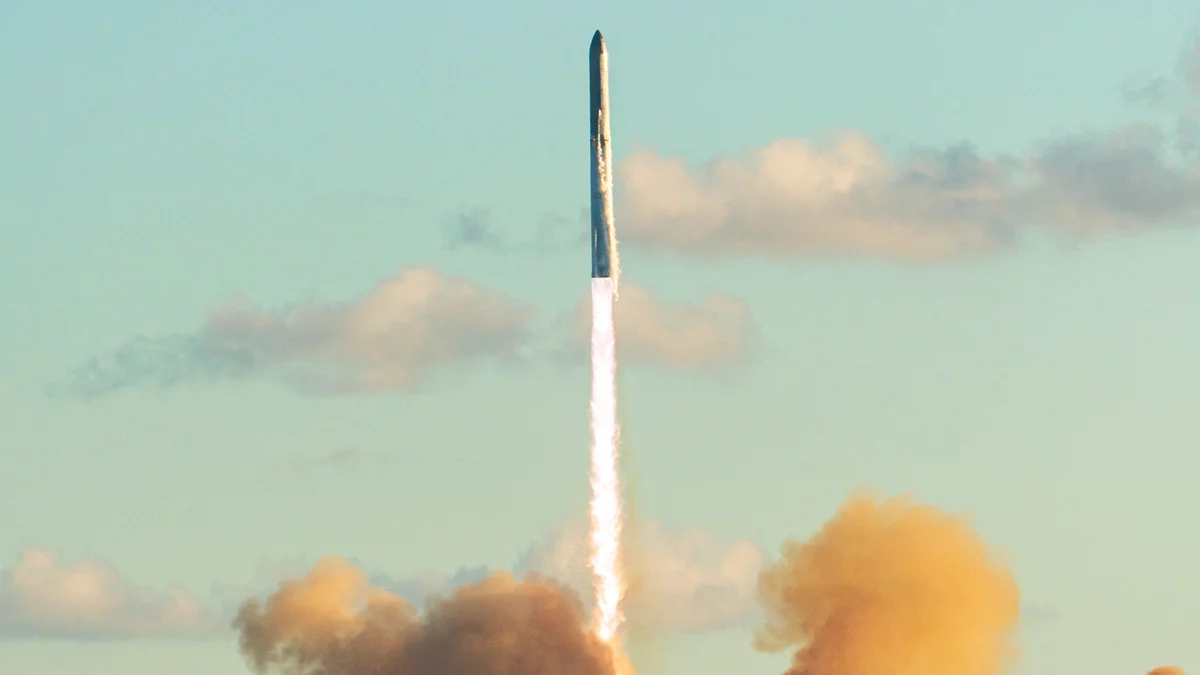
Starship Flight 14: What Happened on 28 September
Starship Flight 14 was SpaceX's first attempt to put Starship into orbit, after 13 test flights that all stayed suborbital. This time the rocket was the new version 3 design, with Super Heavy Booster 21 underneath and Ship 41 on top. The US aviation regulator, the FAA, gave its final approval on Saturday, and the weather in Texas was clear.
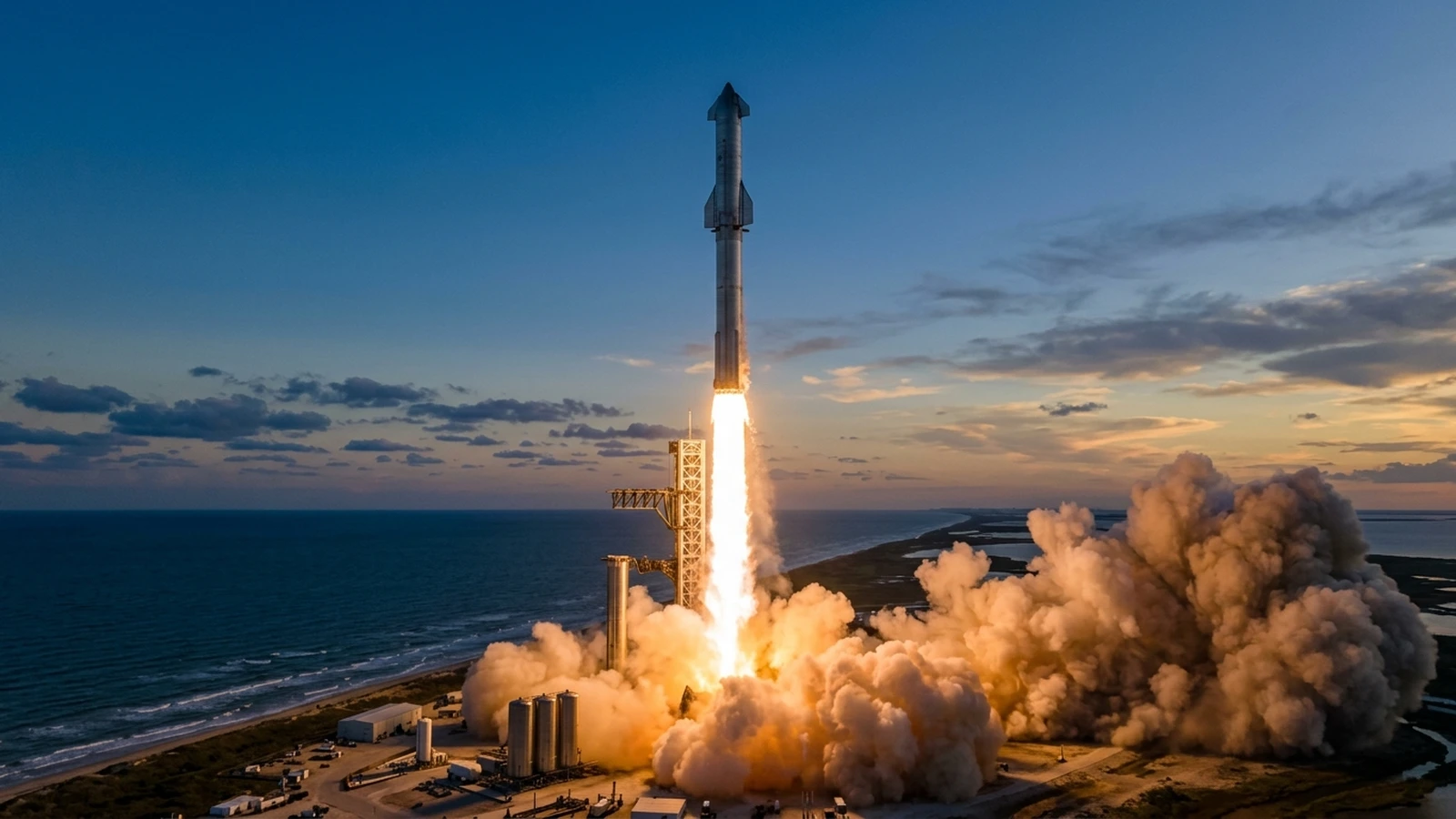
It launched from Starbase's second pad about half an hour into its window. The booster separated on schedule and the ship carried on towards space. That's when things got tense.
Did Starship Reach Orbit? Yes, Despite an Engine Failure
Yes. Starship reached orbit about 25 minutes after launch, in a path roughly 262 by 277 km above the Earth. The ship has six engines. During the climb, one of its three Raptor Vacuum engines (the ones built to work in space) shut down early.
For a few minutes it looked as if the attempt was over. Space.com reports that SpaceX's launch commentator first said the orbit attempt had been called off, then changed course: "We are not giving up yet." The other engines burned for longer to make up the missing push. When they cut off, just over eight minutes in, Starship was on a suborbital path. At about 25 minutes it fired a single Raptor to lift itself into a proper orbit.
That short burn is the moment Starship became an orbital rocket. Every earlier flight, including Starship Flight 13 in July, came back down before completing a lap of the planet.
Starship Deploys 26 Starlink V3 Satellites
With the ship in orbit, the payload door opened and the Starlink V3 satellites slid out one at a time, starting about 34 minutes after launch and finishing about half an hour later. All 26 went out. Three of them carried cameras to photograph Starship's heat shield before it came home.
These are the biggest Starlinks yet. According to Spaceflight Now, each V3 satellite has about ten times the capacity of the previous generation, and they are too big to launch on the Falcon 9. So Starship has to work for them to be any use. On Flight 13 the satellites went up on a suborbital path and burned up the same day. These 26 are the first that stay up and go to work.
Kit for Spotting Satellites From the UK
Kit we've tested and reviewed in full
Flight 14's satellites stay south of the UK, but the ISS and Starlink trains from other launches cross our skies all the time. Binoculars turn a line of dots into separate satellites. Our guide to the best binoculars for stargazing has more options.
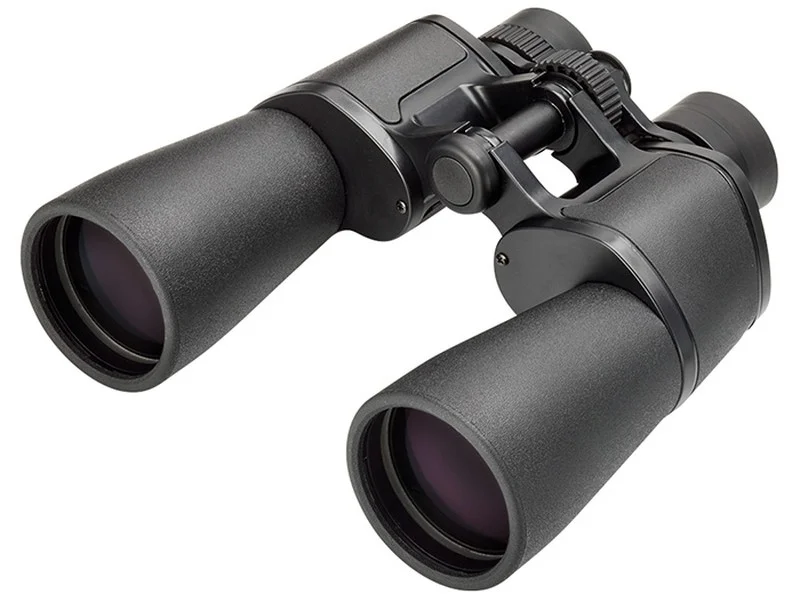
Wide view and light enough to hold by hand, so you can follow a satellite train or the ISS from one side of the sky to the other.
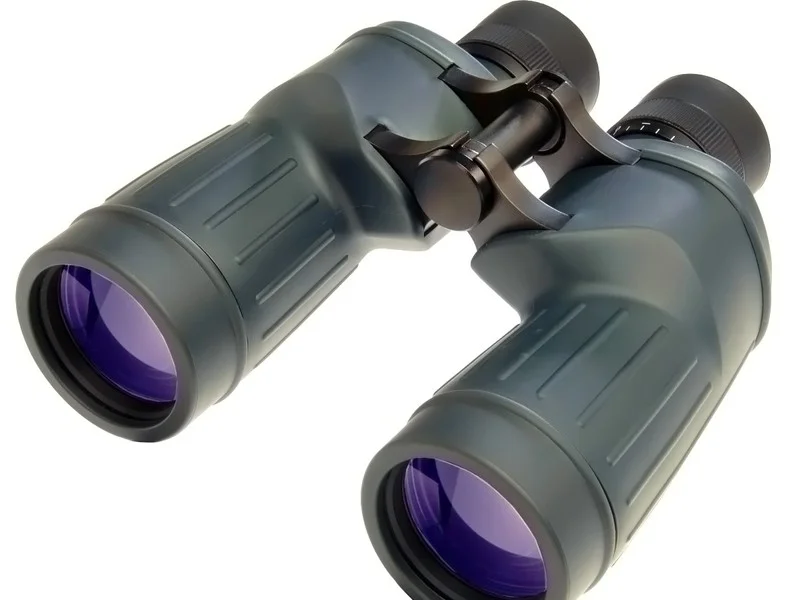
Brighter, sharper views for spotting fainter satellites, and just as good on the Moon and star clusters.
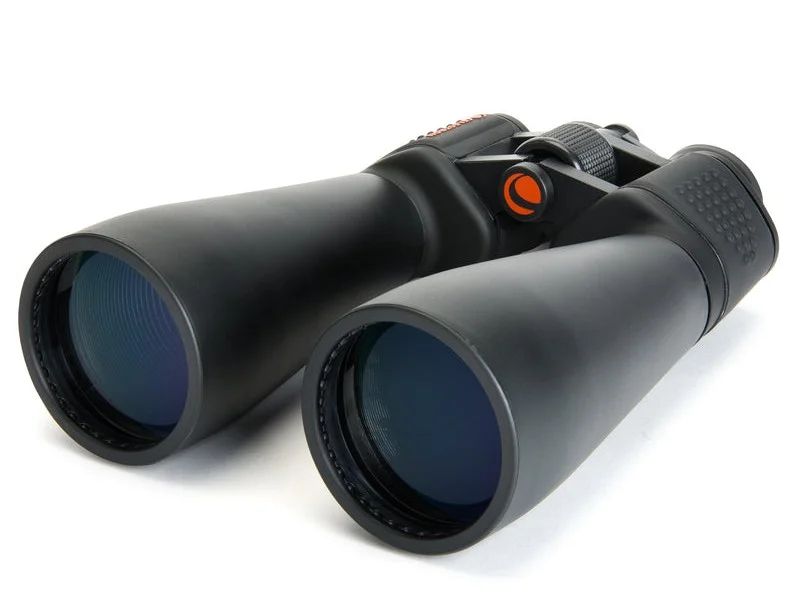
Bigger 70mm lenses pick up older Starlinks that have dimmed since launch. Best on a tripod.
Affiliate links: you pay the same price, we earn a small commission that helps keep WatchTheStars free.
Why Starship Came Home Early
SpaceX had planned about six orbits and a splashdown in the Pacific off Chile, roughly ten hours after launch. After losing an engine, it took the cautious option. The ship fired its deorbit burn about 2 hours 12 minutes into the flight and splashed down north of Hawaii at about 16:57 UK time. The whole flight lasted about 3 hours 8 minutes.
It came down tail-first on three relit engines, then tipped over and exploded in the sea, which is what usually happens with these ocean landings. NASA's administrator, Jared Isaacman, called it a "gorgeous launch", praising SpaceX for getting the ship to orbit and handling every step "in a safe, responsible, and especially inspirational way".
Super Heavy Booster: Engine Out, Still a Splashdown
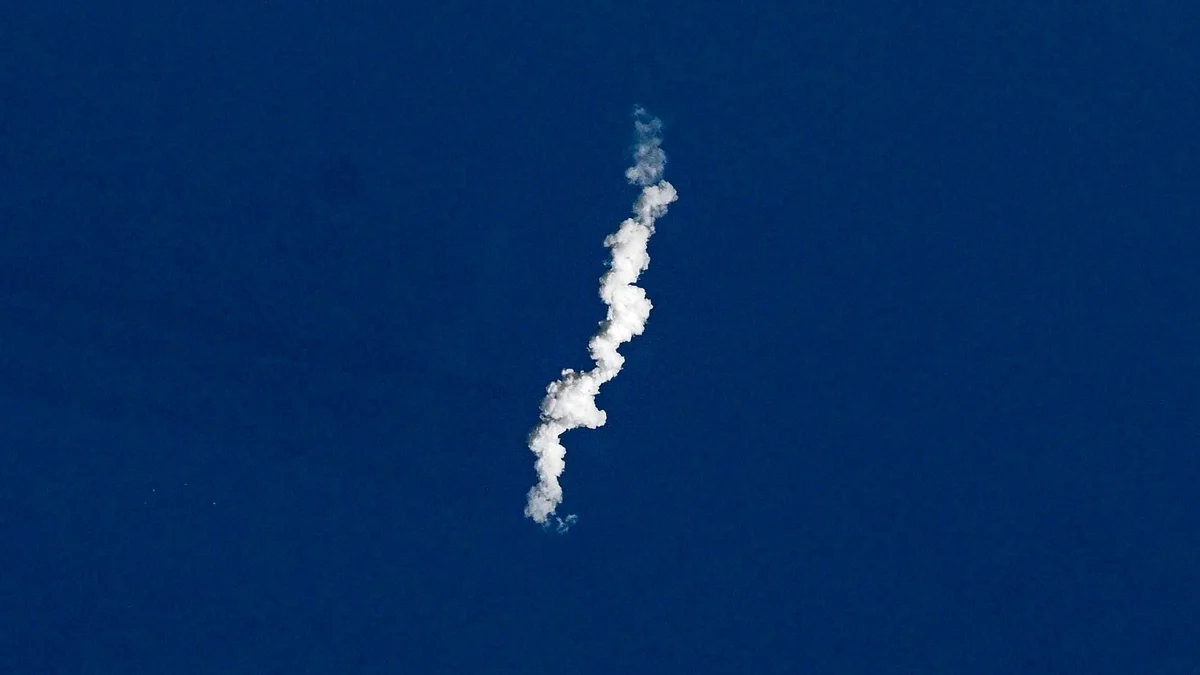
The Super Heavy booster also had an engine problem. NASASpaceflight reports that it lost one of its centre Raptors on the way up, and Spaceflight Now says another seems to have shut down during the burn that turns it back towards Texas. It still finished its landing burn and made a controlled splashdown in the Gulf of Mexico, a few miles off the coast.
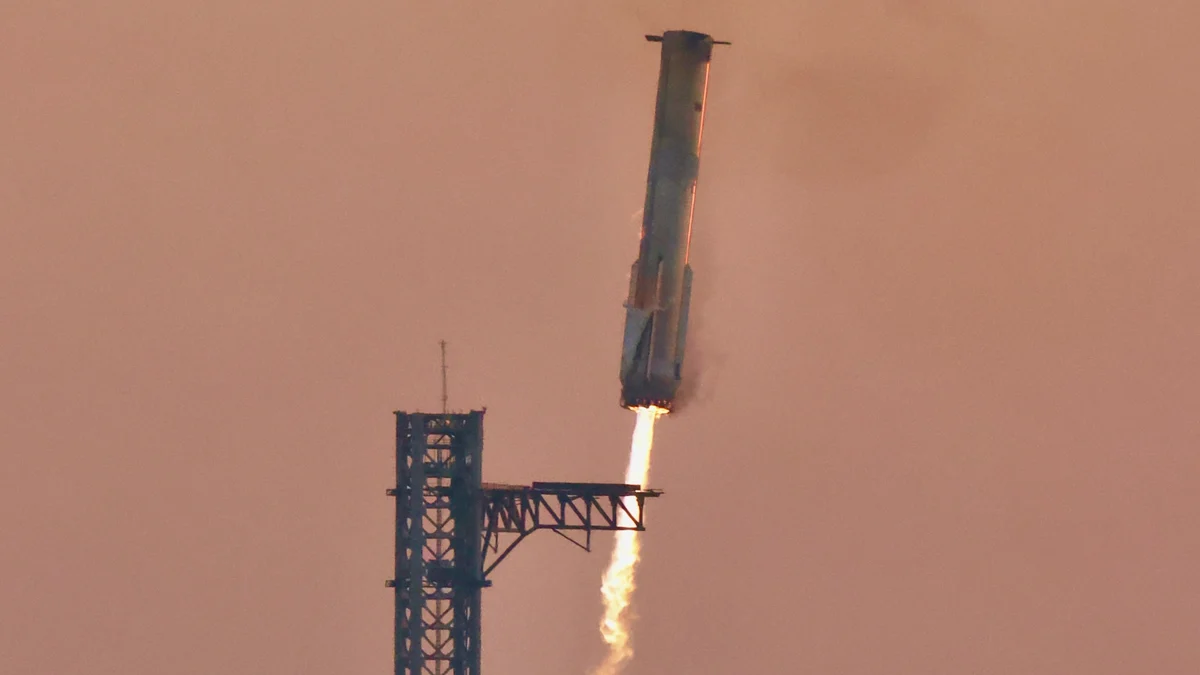
There was no attempt to catch this booster with the tower's arms. That's planned for the next flight. After Flight 13's booster came down harder than planned, this was a cleaner result.
Starship Flight 14 Timeline in UK Time
Times are BST on Monday 28 September 2026, worked out from the flight clock published by NASASpaceflight.
| UK time | Event |
|---|---|
| 13:49 | Liftoff from Starbase, Texas |
| 13:57 | Ship engines cut off, on a suborbital path |
| 14:14 | Single-engine burn puts Starship into orbit |
| 14:23 to 14:54 | 26 Starlink V3 satellites released |
| 16:01 | Deorbit burn |
| 16:57 | Splashdown in the Pacific, north of Hawaii |
Can You See Starship's Starlink Satellites From the UK?
Not from the orbit they were released into. Starship's orbit kept it well south of Britain, and at around 270 km up it never climbs above the horizon anywhere in the UK. So there's no Flight 14 satellite train to look out for here.
You can still see plenty from home. Starlink trains from Falcon 9 launches cross UK skies most weeks, and the International Space Station is the brightest thing in orbit. Our ISS passes tonight page gives times for your town, and the guide on how to spot the ISS explains what to look for. For everything else up there this week, see what you can see in the sky tonight.
What's Next for Starship: Flight 15 and the Moon
NASASpaceflight reports that Flight 15 should include the first attempt to catch a Block 3 Super Heavy booster with the tower's arms. Spaceflight Now says SpaceX is building three more pads in Florida, including Pad 39A at Kennedy Space Center, and hopes to launch Starship from there late this year or early next.
The bigger prize is the Moon. NASA is counting on a version of Starship to land astronauts in the Artemis programme, with a landing targeted for 2028, as we covered in NASA's moon base and lander plans. Before that can happen, SpaceX has to refill a Starship in orbit, which Spaceflight Now says will take 15 or more tanker launches. Reaching orbit was the step all of that depends on.
It also adds to a busy year for new rockets, after Europe's first orbital launch from its own soil this month and China's first private booster landing in August.
Sources:
- Ship 41 makes it to orbit, Booster 21 nearly perfect · NASASpaceflight.com
- Starship returns to Earth; rocket splashes down north of Hawaii after three-hour flight · Spaceflight Now
- SpaceX Starship Flight 14 live updates · Space.com
- SpaceX launches Starship into orbit for 1st time · Space.com
- SpaceX completes Starship Flight 14 launch rehearsal, gets final FAA approval · Tesla Oracle
Frequently Asked Questions
Equipment guides
Related topics

Ian ClaytonAmateur astronomer and founder of WatchTheStars.co.uk, dedicated to helping others explore the wonders of our universe. Full profile →

.jpg)