Key takeaways
- Pentagon file DOW-UAP-D155 records a B-52 radar contact over Saudi Arabia during Operation Power Flite in January 1957
- The B-52 in DOW-UAP-D155, 'aircraft number 394' from Castle AFB, matches B-52B 53-0394 Lucky Lady III, the flight's lead bomber
- The D155 contact was radar only: a small blip held 6,000 yards behind the bomber for five to seven minutes, with nothing seen
- The D155 form doesn't rule out the third Power Flite bomber or a KC-97 tanker, and its 642-knot 'true air speed' is too fast for a B-52B
Jump to section 6 sections
In January 1957 three American B-52 bombers flew non-stop around the world, the first jets ever to do it. Somewhere over Saudi Arabia, the lead bomber, which matches the famous Lucky Lady III, picked up something on its tail-gun radar that the crew couldn't account for. Their B-52 UFO report, Air Intelligence Information Report IR-1-57, was released by the US Department of War on 23 October 2026 as DOW-UAP-D155, part of PURSUE Release 7.
It is a short file: one typed page, one scope diagram and three carbon copies. As far as we can find, nobody has written about it until now. Our round-up of the Pentagon's seventh UFO file release covers the rest of the batch; this post reads D155 line by line and checks it against the history of the flight.
B-52 UFO Radar Contact, 1957: What the File Says
The file says a B-52 on a Strategic Air Command mission picked up an "unidentified aircraft" on its tail radar, held it for five to seven minutes, then lost it. It is an AF Form 112, the standard Air Force intelligence report of the time, written up by the 22d Bombardment Wing at March Air Force Base, California. It is dated 19 January 1957, with "date of information" 18 January, and was classified SECRET until it was declassified at the National Archives.
The aircraft was "B-52 aircraft number 394 from Castle AFB", flying with the 328th Bombardment Squadron, 93d Bombardment Wing, on "Operation Powerflight" (the form's spelling). It was the cell leader, call sign Runner 11, at 39,000 feet, at roughly 27° north, 47° east. That puts it over north-eastern Saudi Arabia, inland from the Gulf coast. Under "Visibility" the form says simply "night".
The key paragraph is plain. Just before meeting its tanker aircraft, the bomber picked up a return on its A-3A gunnery scope, the radar that aimed the tail guns, so it was looking backwards. The return "remained at the 6000 yard marker (center) of the scope" for about five to seven minutes, roughly 3.4 miles behind. Then the B-52 banked left, "and the unidentified aircraft return disappeared off the scope to the left." The writer added that this "may have been caused by the change in direction of the B-52", but the return "seemed to disappear in the direction of the Baghdad Flight Identification Region".
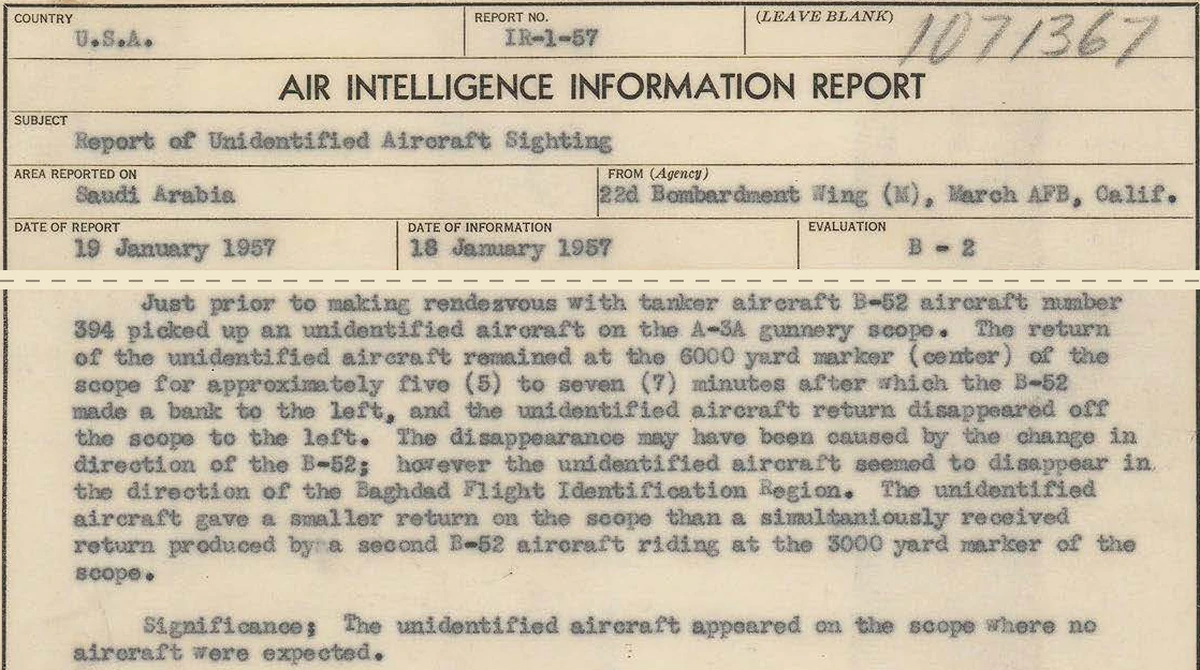
The blip was smaller than the one from a second B-52 sitting at the 3,000-yard marker. The form's one-line "significance" sums up why anyone bothered: "The unidentified aircraft appeared on the scope where no aircraft were expected." Its evaluation is B-2, which in that system meant a usually reliable source with information judged probably true.
Two things the file does not say matter just as much. Nobody saw anything: it is a radar report only, with no light, shape or visual of any kind. And there is no follow-up. No analysis, no explanation, no Air Force verdict.
Was It Lucky Lady III? Operation Power Flite
Yes, almost certainly: every detail on the form matches B-52B serial 53-0394, Lucky Lady III, the lead aircraft of Operation Power Flite. The Air Force's own history of the "Lucky Ladies" names that bomber, from the 93d Bomb Wing at Castle, as the flight's leader. The lieutenant colonel the form names as commander is the officer that history credits with flying it. The form itself never uses the name Lucky Lady III, so we say it matches rather than that it is. The form also names the gunner and the officers who wrote it up; we leave all the crew names out.
Operation Power Flite was the first non-stop flight around the world by jet aircraft, and a show of Strategic Air Command's reach. Five B-52Bs took off from Castle Air Force Base at 1pm on 16 January 1957. Two were spares: one couldn't take on fuel from its tanker and landed at Goose Bay in Labrador, and the other left the group after refuelling over Morocco and landed in England. Three flew the whole way, east across the Atlantic, North Africa, Arabia, the coast of India and the Pacific, refuelled in the air by KC-97 tankers. They landed at March Air Force Base on 18 January after 45 hours 19 minutes and about 24,325 miles.
That explains the odd paperwork. The report came from March, not Castle, because March is where the crew landed and were debriefed. And the "date of information", 18 January, is the landing day, not the day of the radar contact.
When Was the B-52 Radar Contact? Our Timeline Check
Our best estimate is the evening of 17 January 1957, local time, not the 18th that the release lists. Here is how we got there.
The bombers left at 1pm California time on 16 January, which was 21:00 UTC. We measured the great-circle route through the published refuelling areas and spread the 45 hours 19 minutes evenly along it. On that rough model the bombers reached 27° north, 47° east about 18 hours in, around 15:00 UTC on 17 January. Winds and refuelling slow-downs could shift that by a couple of hours either way, but not by a day.
That fits the form's "night". Our calculation with Skyfield for 27° north, 47° east on 17 January 1957:
- Sunset was at 14:22 UTC (17:22 local time, UTC+3), and the sky was fully dark by 15:43 UTC.
- The Moon had been full on 16 January. It rose at 15:57 UTC, 97% lit, low in the east-north-east.
So a crossing between about 15:00 and 17:00 UTC happened in darkness, with a near-full Moon coming up ahead of the eastbound bombers. None of that bears on a radar blip behind the aircraft, and the form doesn't mention the Moon. But it does make "night" on 17 January consistent, which the release's date of 18 January is not.
Could a B-52 Fly 642 Knots? The Speed Problem
No, not through the air. The form gives the bomber's speed as 642 knots, and the scope diagram labels it "642 knots - true air speed". A B-52B's published top speed was about 547 knots, and that was at around 20,000 feet, not 39,000. Its normal cruise was about 453 knots.
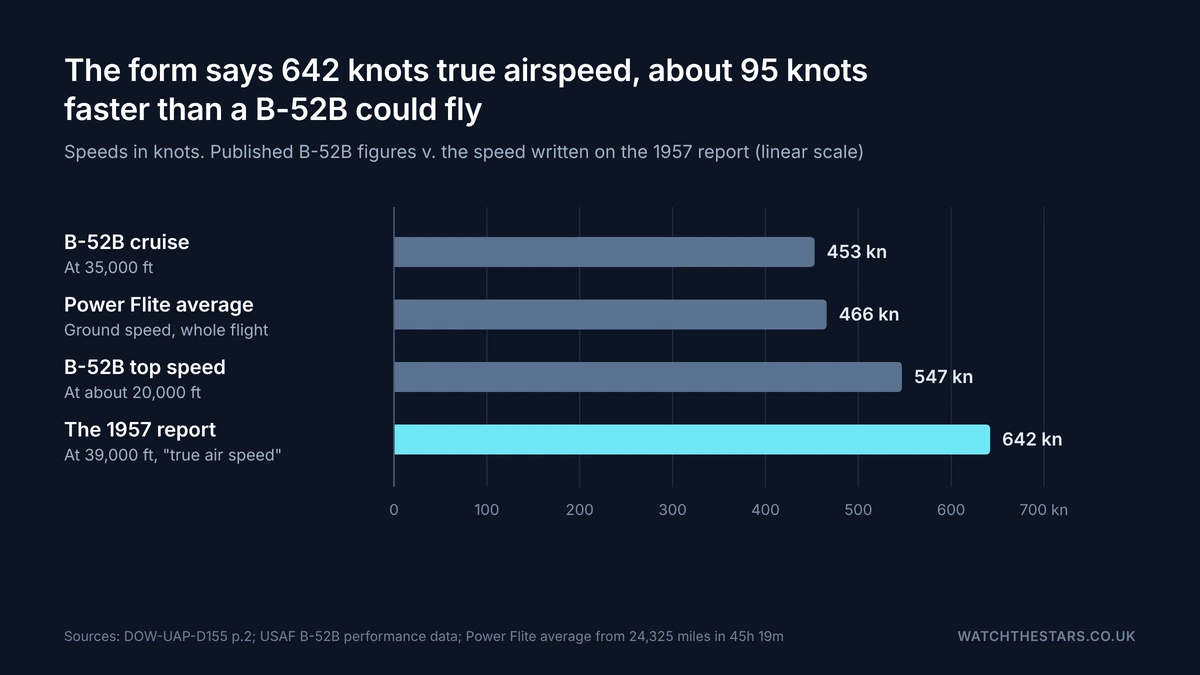
The likely answer is that 642 knots was ground speed, mislabelled. Over Arabia in winter the subtropical jet stream runs near that height and blows strongly from the west, so an eastbound bomber cruising normally could easily cover the ground well above its airspeed. Across the whole flight the bombers averaged about 466 knots over the ground (our calculation). The number is a slip in the paperwork, not a clue about the blip, but it is a reminder that a typed form is not automatically right.
What Was the B-52's Radar Blip? Bomber, Tanker or Unknown
Nobody knows what the B-52's radar blip was, and the form doesn't settle it. But two ordinary candidates sit right there in the story, and the form mentions neither.
The third bomber. Three B-52s flew the full route, yet the form only mentions the one at 3,000 yards. Where was the third? If it was trailing behind at about 6,000 yards, twice as far as the second, it would show as a weaker blip. Radar echoes fade very fast with range (with the fourth power of distance), so the same aircraft at double the range returns about a sixteenth of the signal. A "smaller return" is just what another B-52 further back would give. That is our reasoning, not the form's.
The tankers. The contact came "just prior to making rendezvous with tanker aircraft". KC-97s were slow, propeller-driven tankers that had to be in the right place at the right time, and some would have been nearby. The form doesn't say where they were or whether they could have been in range of the tail radar.
Against both, the crew knew their own formation and their refuelling plan, and they still wrote that the blip appeared "where no aircraft were expected". They were the people best placed to know. But it was a judgement made at night, minutes before a tricky refuelling, from one radar set with no visual check.
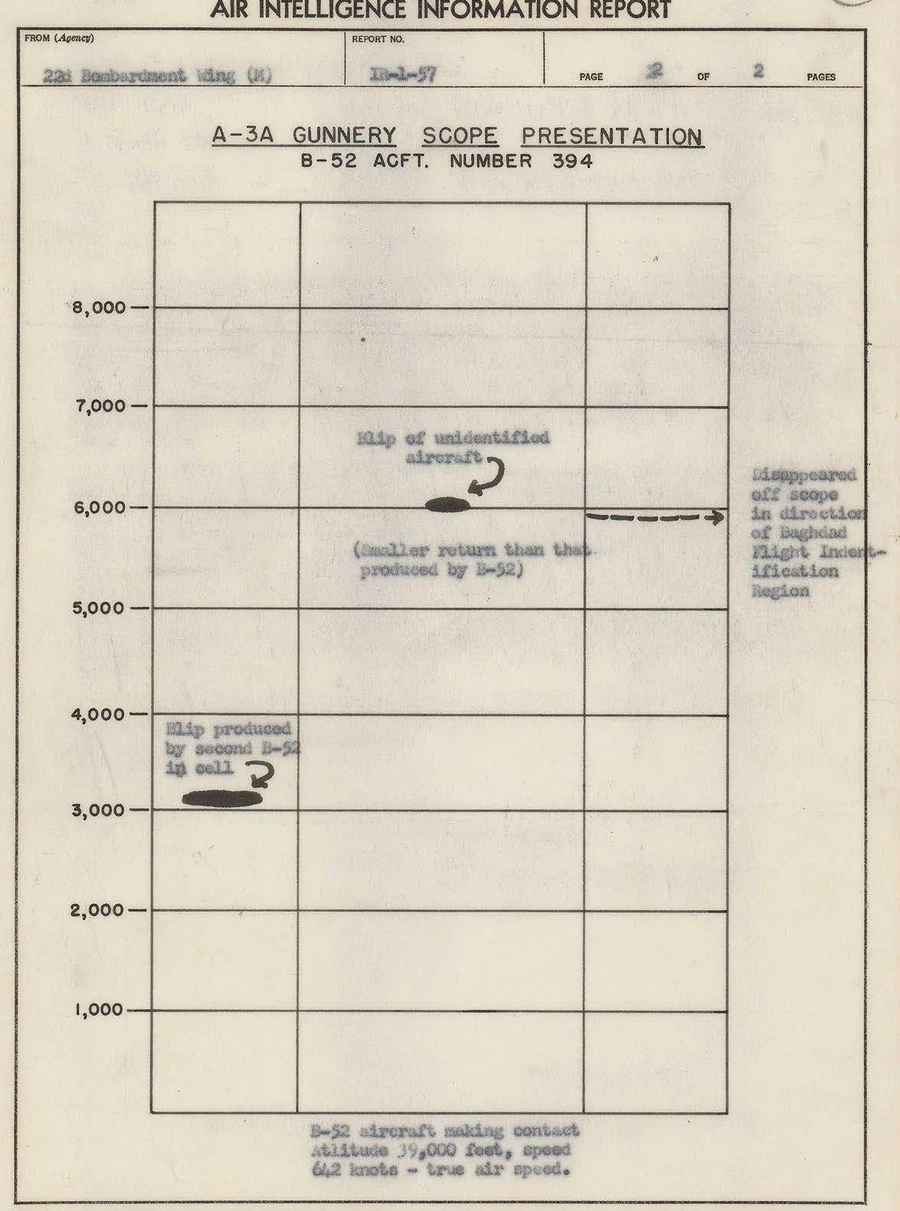
The direction it went, toward Baghdad to the north-north-west, doesn't help much either. When an aircraft banks, everything behind it swings across a tail radar's narrow view, so a target can drop off the edge without moving at all. The writer said as much.
B-52 Radar UFO Cases: What D155 Adds
D155 adds a radar-only UFO report from the most famous B-52 flight of the 1950s, and very little else. It isn't evidence of anything exotic. It is a short note from a crew who saw a return they didn't expect and reported it, which was exactly what the rules of the time asked of them.
It sits in a pattern. Radar-only reports from aircraft are some of the hardest UFO cases to settle, because there is nothing to look at afterwards. The 1986 Japan Air Lines sighting in our Alaska UFO history and the radar tracks behind the Nimitz "Tic Tac" incident both turn on how much a single set of returns can tell you. The other 1950s files in Release 7 are mostly sightings by eye, and many of those can be checked against the sky: a bright star near the horizon, for instance, can seem to follow your plane.
If you see an odd light yourself, check the obvious first. See what you can see in the sky tonight, whether there are ISS passes tonight, and is it a full moon tonight: a low, bright Moon fools more people than you'd think. New to it all? Stargazing for beginners will have you finding your way round the sky in an evening.
Scan the skies yourself
Kit we've reviewed in full
Most odd lights are aircraft, satellites or a bright planet. A good pair of binoculars shows you navigation lights, the steady glow of a planet and the slow drift of a satellite, and settles most questions in seconds.
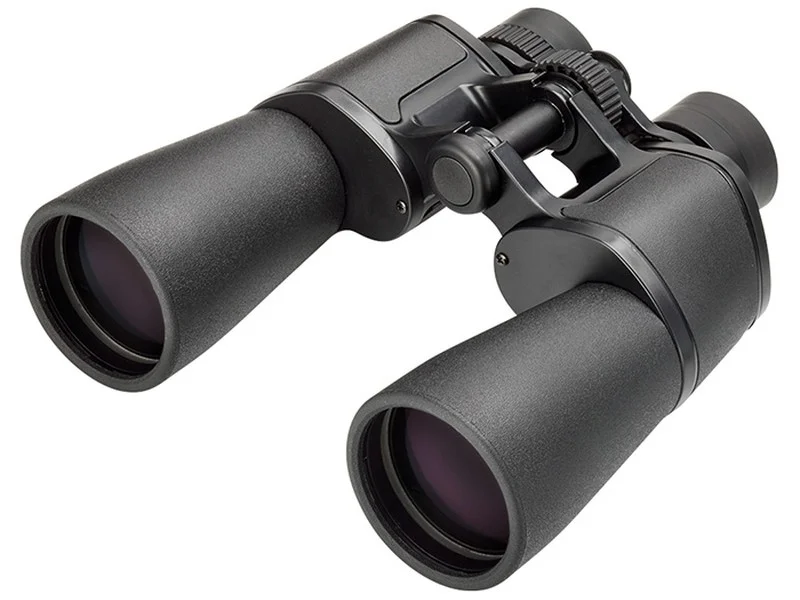
Bright and wide, so you can get onto a moving light quickly and follow it.
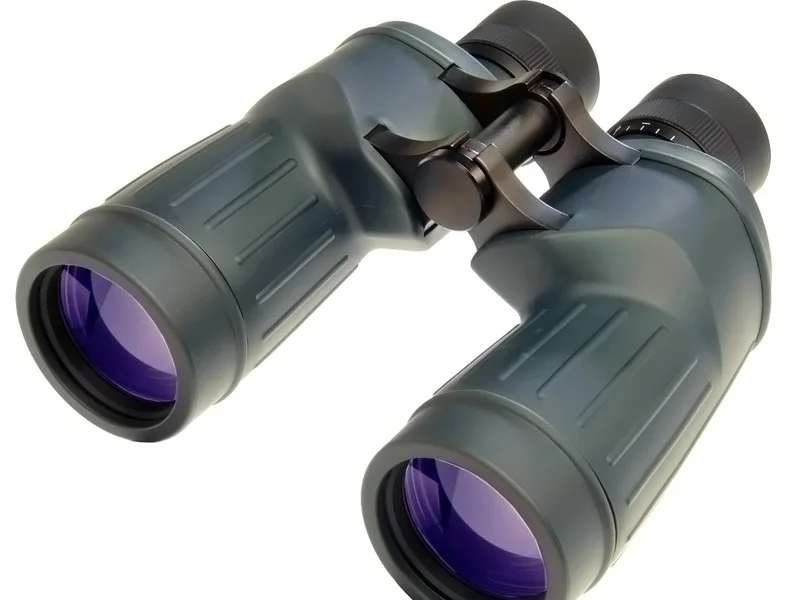
Built for cold, damp nights, the ones when most strange lights get reported.
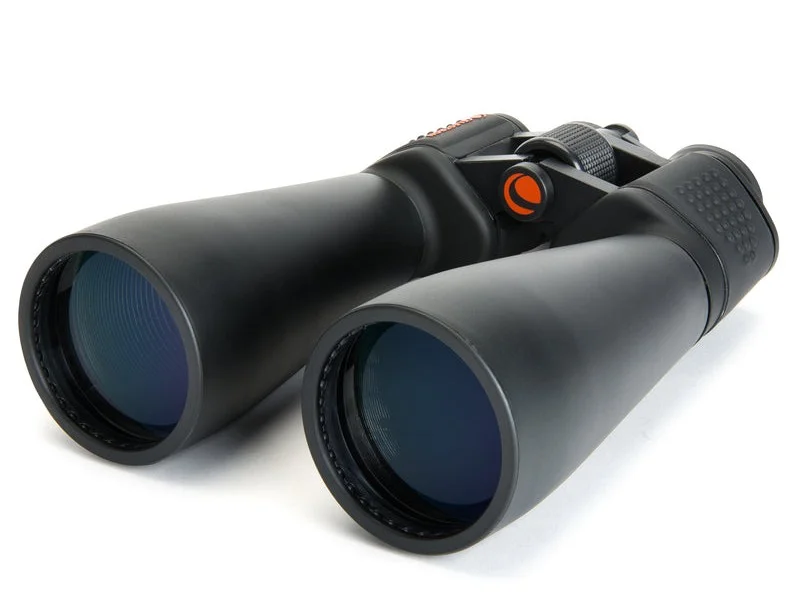
More magnification for picking out the lights on a high, far-off plane. Best on a tripod.
Affiliate links: you pay the same price, we earn a small commission that helps keep WatchTheStars free.
You can open the full file on our Pentagon UFO file browser, and the UAP document archive shows how all seven releases fit together. Next in this series we check the rest of Release 7's 1950s files against the sky.
Sources:
- DOW-UAP-D155, Air Intelligence Information Report, Saudi Arabia, 1957: US Department of War, PURSUE Release 7
- Lucky Ladies I, II and III: Air Force Historical Support Division fact sheet
- June Doctrine Paragon: Operation Power Flite: Air University
- Operation Power Flite: Wikipedia (departure time, spares and landing time)
- 16 to 18 January 1957: This Day in Aviation (B-52B cruise and top speeds)
- Sun and Moon at 27° N, 47° E on 17 January 1957, and the flight-time estimate: our calculation with Skyfield and the JPL DE421 ephemeris
Header image: an illustration generated with Google Gemini, not a photograph of Lucky Lady III. In reality the Moon rose about 95 minutes after sunset that evening (our calculation), so the sunset glow and the rising Moon would not have been seen together. Page images: DOW-UAP-D155, US Air Force, public domain, released by the US Department of War in PURSUE Release 7. Page numbers are PDF pages.
Frequently Asked Questions
Equipment guides
Related topics

Ian ClaytonAmateur astronomer and founder of WatchTheStars.co.uk, dedicated to helping others explore the wonders of our universe. Full profile →