Key takeaways
- The FCC approved SpaceX's Starmind network of up to 1 million data-centre satellites on 25 November 2026, at 500 to 1,002 km up.
- SpaceX must launch its first Starmind satellite by November 2033, 10% of the network by 2035, half by 2038 and the rest by 2040.
- From Birmingham, a satellite 1,000 km overhead stays in sunlight all night from 8 April to 3 September, so summer nights in the UK will be worst.
- Starmind satellites in polar orbits pass right over the UK, while the 30-degree shells only skim the southern horizon from England.
Jump to section 7 sections
- SpaceX Starmind: What the FCC Approved
- Will Starmind Satellites Be Visible From the UK?
- Why the UK Will See More Satellites Than the US
- When Are Satellites Sunlit Over the UK? Times by Season
- Will a Million Satellites Ruin Stargazing? What Changes for You
- How Bright Will Starmind Satellites Be?
- Starmind Launch Timeline: What Happens Next
SpaceX Starmind: What the FCC Approved
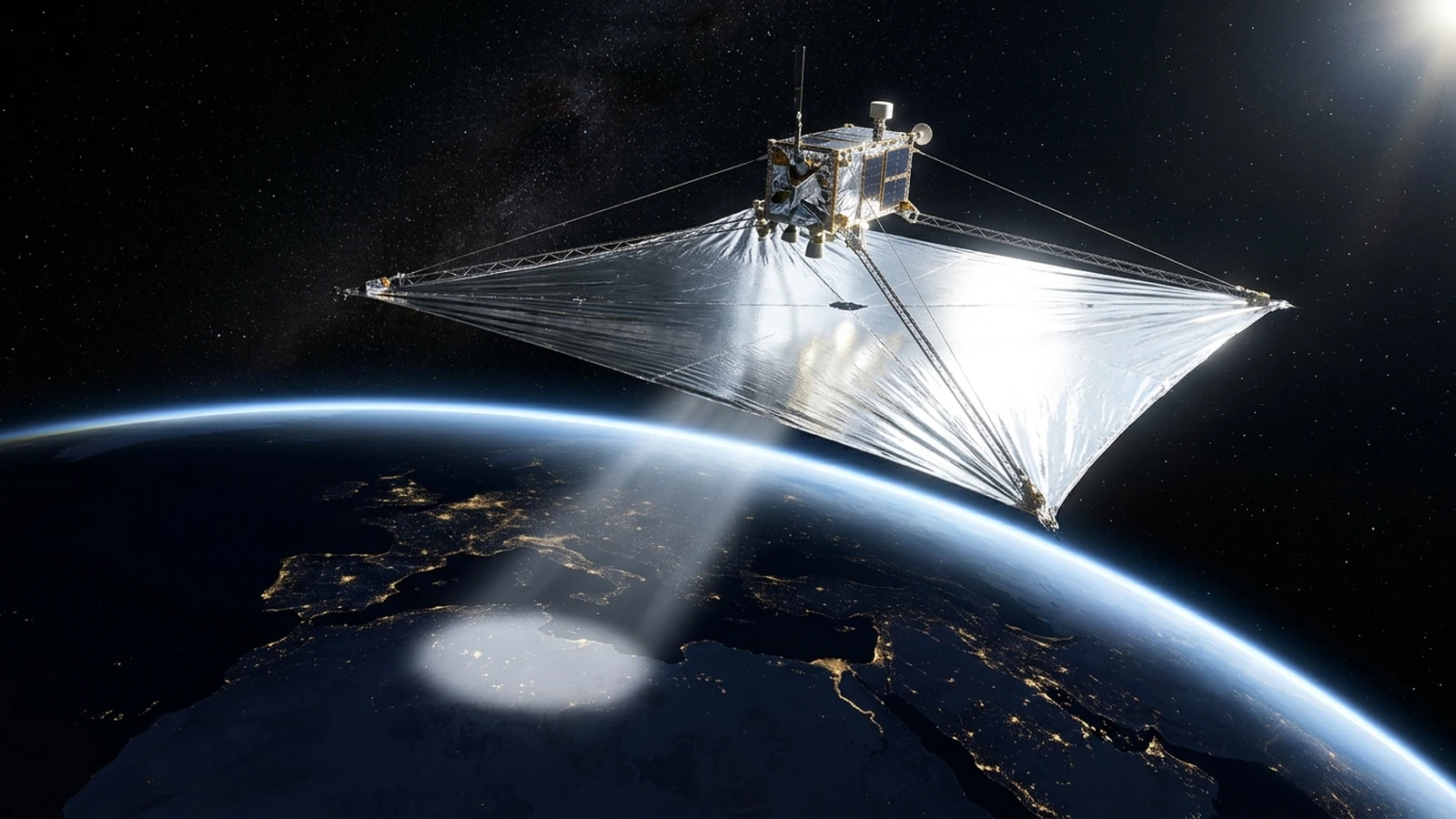
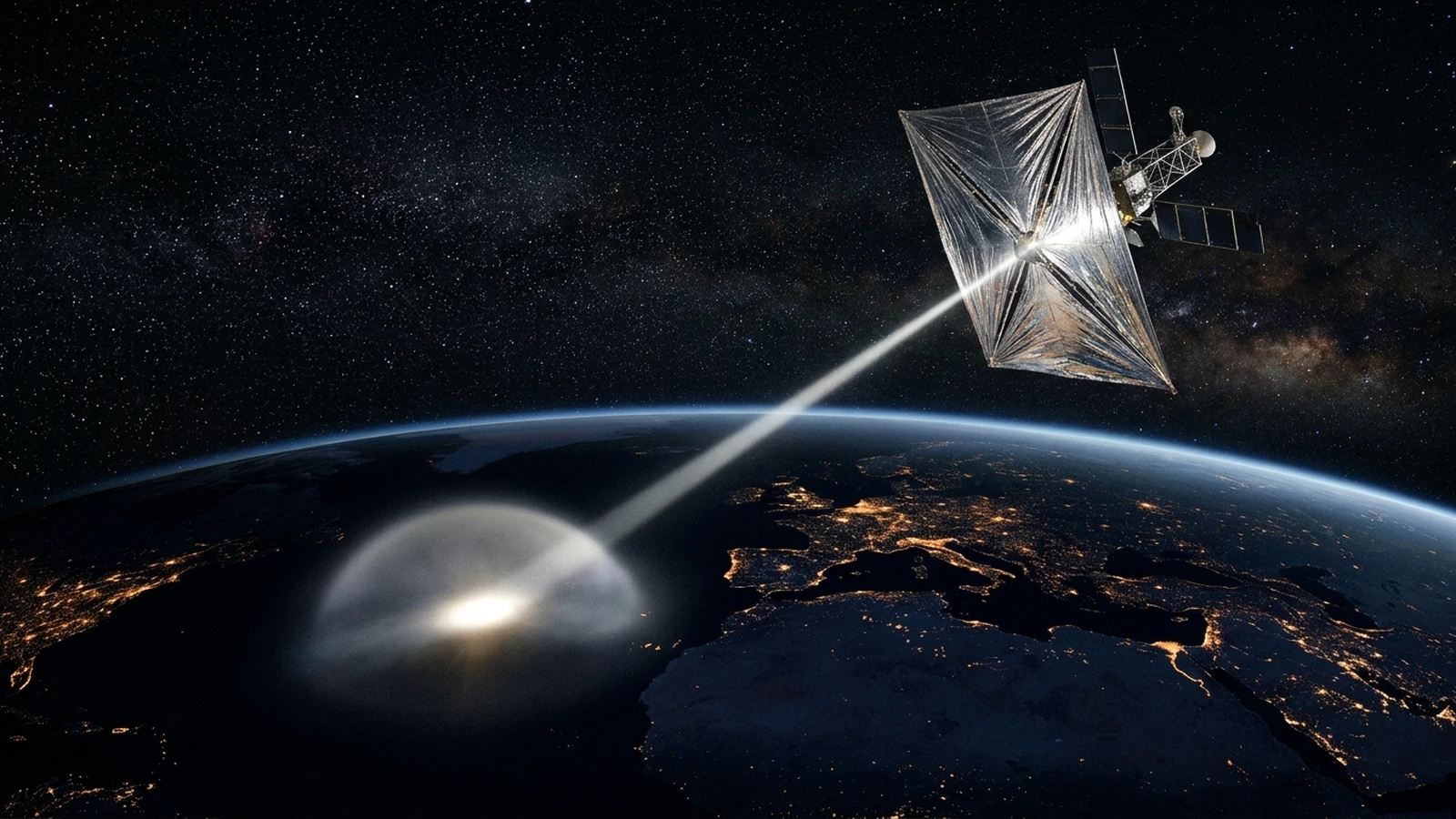
The US Federal Communications Commission approved SpaceX's Starmind network of up to 1 million satellites on Wednesday 25 November 2026, and many of them would be visible from the UK. Starmind satellites would fly between 500 and 1,002 km above the Earth and work as solar-powered data centres, running AI computing in orbit and passing the results down through Starlink.
The FCC calls it the first authorisation in US history for data centres in space. To put the number in context, the Starlink internet network that already streaks across UK skies has a little over 10,000 satellites in orbit. Starmind on its own would be around a hundred times bigger.
Some reports said the satellites could go as high as 2,000 km. The FCC's own order (DA 26-1273) gives six bands of orbits, and none goes above 1,002 km:
| Orbit height | Tilt of orbit | Passes over the UK? |
|---|---|---|
| 550–568 km | 26–32° | No, low in the south at best |
| 565–585 km | 97.7° (near-polar) | Yes |
| 686–718 km | 30° | No, low in the south at best |
| 707–744 km | 97.2° (near-polar) | Yes |
| 946–978 km | 30° | No, low in the south at best |
| 967–1,002 km | 99.4° (near-polar) | Yes |
The near-polar orbits are sun-synchronous, which means they cross each latitude at the same local time every day. SpaceX wants that for its solar panels. It hasn't said how the million satellites would be split between the six bands.
The American Astronomical Society asked the FCC to refuse the licence, warning about large numbers of bright satellites. The UK's Royal Astronomical Society and the Square Kilometre Array Observatory, which has its headquarters at Jodrell Bank in Cheshire, also sent comments. The FCC turned the astronomers down. It said SpaceX's promise to coordinate with the US National Science Foundation was enough, and it declined to add any conditions about optical astronomy. We saw the same thing in July, when Reflect Orbital's space mirror was approved with no brightness limits either.
Will Starmind Satellites Be Visible From the UK?
Yes, Starmind satellites should be visible from the UK. The three near-polar groups pass straight over the UK, and we expect them to be visible on clear evenings once enough are up. We checked the other three groups too. Those orbits are tilted only 30 degrees, so the satellites never pass further north than about 32 degrees, the latitude of Morocco. From Plymouth the highest of them would peak about 11° above the southern horizon, from Birmingham about 8° and from Edinburgh about 4°. From Shetland they never rise at all.
So for UK skywatchers, Starmind means the polar satellites, crossing from north to south or south to north. You'll spot them the same way you spot the International Space Station today, just far more of them. If you've never watched a satellite go over, our guide to how to spot the ISS explains what to look for, and the ISS passes tonight tool gives times for your town.
Why the UK Will See More Satellites Than the US
The UK will see more sunlit satellites than most of the US because it is further north, so its summer nights never get properly dark. Satellites don't make their own light. You only see one when it's high enough to catch sunlight while you're standing in the dark. That depends on how far the Sun has sunk below your horizon, and in a British summer it barely sinks at all.
We worked out the height of Earth's shadow straight above Birmingham, Plymouth and Edinburgh through the year using Skyfield. A satellite above that height is lit by the Sun. On a midsummer night the shadow overhead is only about 160 km high at midnight in Birmingham and 80 km in Edinburgh. Every Starmind orbit, from 550 km up, sits well above it.
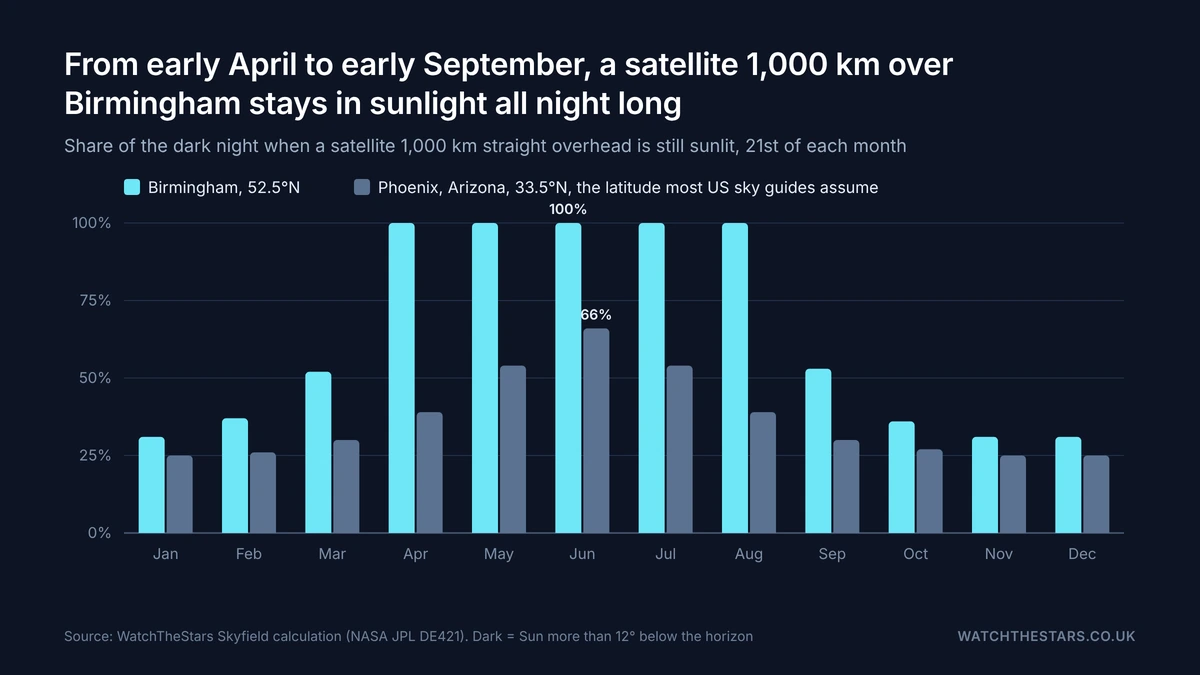
The result is that a satellite 1,000 km over Birmingham stays in sunlight all night long from 8 April to 3 September. Further north the season is longer:
| Place | 1,000 km satellites lit all night | 550 km satellites lit all night |
|---|---|---|
| Plymouth | 14 April to 28 August | 6 May to 5 August |
| Birmingham | 8 April to 3 September | 29 April to 12 August |
| Edinburgh | 30 March to 12 September | 19 April to 23 August |
Compare Phoenix in Arizona, around the latitude most US sky guides are written for. Even at midsummer, satellites 1,000 km above Phoenix go into shadow for about a third of the dark night. In Birmingham they never do.
Astronomers have found the same thing. A 2021 study by Samantha Lawler, Aaron Boley and Hanno Rein modelled 65,000 satellites from Starlink, OneWeb, Kuiper and China's planned network, and found that "latitudes near 50 degrees" would get the worst light pollution. Around the summer solstice, satellites made up a few percent of all the points of light visible there all night long. The whole of the UK sits between 50 and 61 degrees north. Starmind alone would be about 15 times bigger than everything in that study.
When Are Satellites Sunlit Over the UK? Times by Season
Outside summer there's a satellite-free gap in the middle of the night, but it's shorter than you might think. Here's when a satellite passing straight overhead slips into Earth's shadow and comes out again, for the two heights that bracket Starmind. "Dark" means the Sun is 12° below the horizon, roughly when the sky is dark enough for most stars to show.
| Date | Place | Dark from | 550 km satellite in shadow | 1,000 km satellite in shadow |
|---|---|---|---|---|
| 21 Dec (GMT) | Plymouth | 17:36 | 18:48 to 05:41 | 19:34 to 04:56 |
| 21 Dec (GMT) | Birmingham | 17:22 | 18:37 to 05:35 | 19:25 to 04:47 |
| 21 Dec (GMT) | Edinburgh | 17:17 | 18:39 to 05:43 | 19:30 to 04:52 |
| 21 Mar (GMT) | Birmingham | 19:37 | 20:58 to 03:31 | 22:02 to 02:27 |
| 21 Jun (BST) | Birmingham | 23:48 | Sunlit all night | Sunlit all night |
| 21 Sep (BST) | Birmingham | 20:24 | 21:44 to 04:17 | 22:49 to 03:13 |
Even at midwinter, the highest Starmind satellites would be sunlit overhead for the first two hours of darkness, from about 5:20pm to 7:25pm in Birmingham. That's exactly when families go out to look at the Moon or catch the Geminids meteor shower before bedtime. These figures are for satellites directly overhead. Ones lower in the sky, towards where the Sun set or will rise, stay lit for longer still.
Will a Million Satellites Ruin Stargazing? What Changes for You
A million satellites won't ruin the night sky for everyone, but they will change it, and UK astrophotographers will feel it first. How much Starmind affects you depends on what you do under the sky.
If you look up with your eyes or binoculars, you'll see more moving dots, mostly in the first few hours after dark and all night in summer. The Moon, the planets, bright stars and the northern lights won't be touched. The faint glow of the Milky Way is what's most at risk, because thousands of faint satellites scattered across the sky add up to a slightly brighter background. That matters most at the best places on our UK dark sky sites map, the places people travel to for a truly black sky. If you're just starting out, our stargazing for beginners guide covers everything that won't change.
If you watch meteor showers, you'll need to tell satellites and meteors apart. A meteor is over in under a second. A satellite glides steadily for minutes and often fades out halfway across as it enters Earth's shadow. Rates for the next meteor shower in the UK won't drop, but there'll be more false alarms.
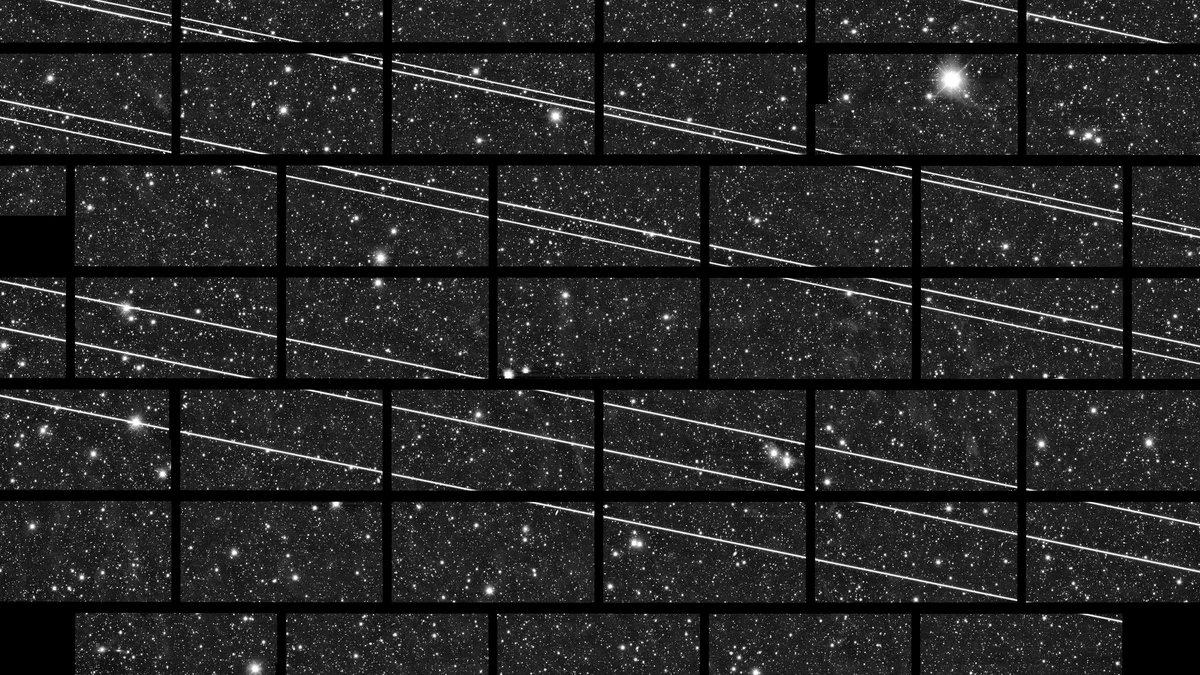
If you take photos of the night sky, this is where it bites. Every extra satellite is another possible trail across a long exposure, and summer nights will be worst. Stacking software can reject trails that appear in only one frame, and our guide to phone astrophotography covers taking lots of short shots rather than one long one, which helps. Wide-field Milky Way shots and star trails will be hit hardest.
Kit that satellites barely touch
Kit we've reviewed in full
A satellite crossing an eyepiece is gone in a second or two, so looking through binoculars or a telescope is the part of the hobby least affected by a busier sky. Long-exposure photography is the bit that suffers.
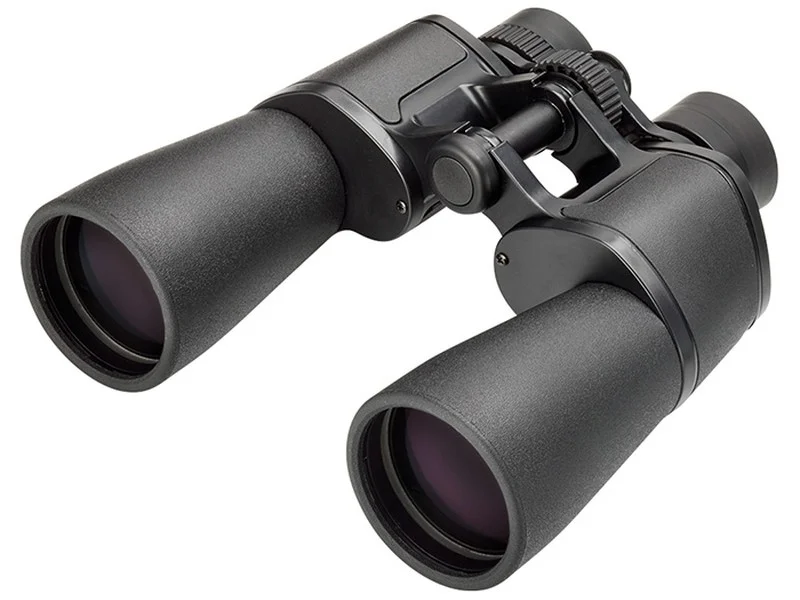
Bright, wide views of the Pleiades, the Orion Nebula and the winter Milky Way. A passing satellite is just a moving dot you can follow for fun.
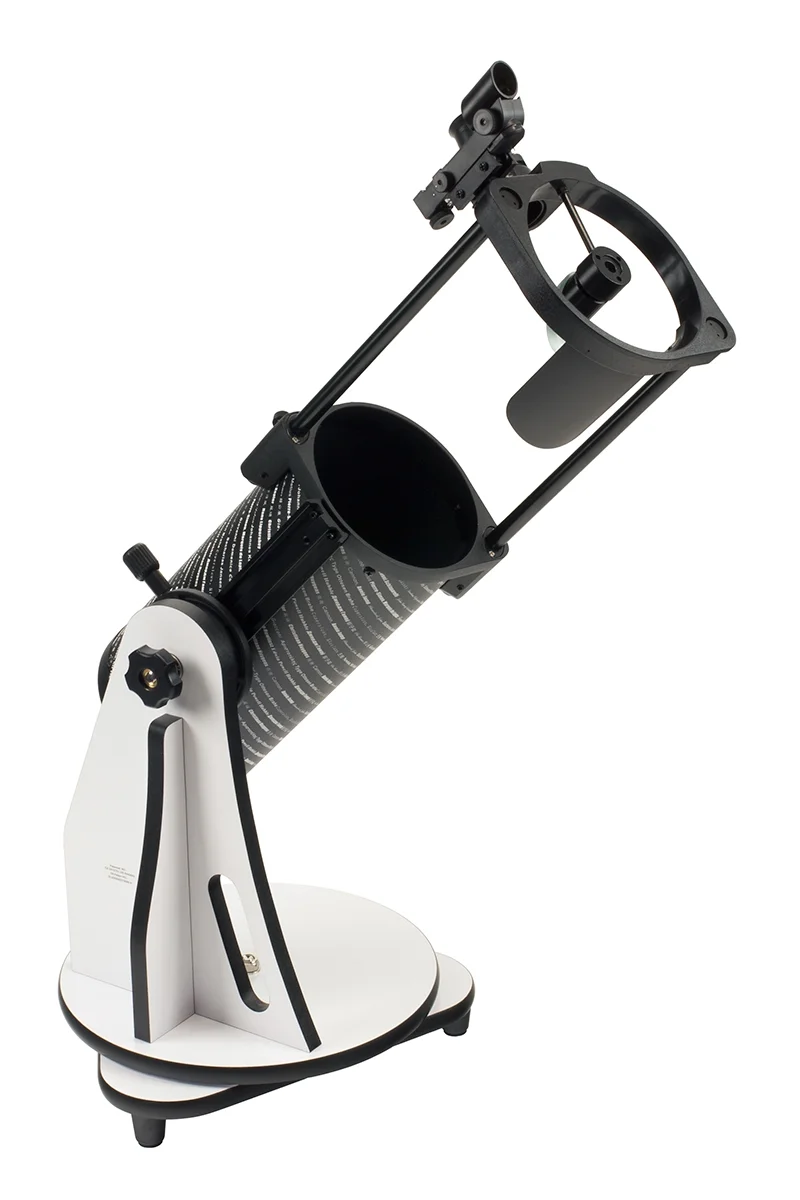
Saturn's rings, Jupiter's moons and craters on the Moon. At the eyepiece a satellite is a brief flicker, nothing like the streaks in a long photo.
Affiliate links: you pay the same price, we earn a small commission that helps keep WatchTheStars free.
For professional and radio astronomy, the stakes are higher. Big survey telescopes take long exposures over huge patches of sky, and every satellite trail ruins part of the data. The UK also has a big stake in radio astronomy through Jodrell Bank and the Square Kilometre Array, and a million satellites all talking to each other and to the ground make the radio sky noisier. The FCC only gave Starmind backup radio frequencies for control. Its main links run by laser, which helps a little.
How Bright Will Starmind Satellites Be?
Nobody knows yet how bright Starmind satellites will be. SpaceX hasn't published a brightness figure, and the FCC didn't ask for one. DarkSky International told the FCC that SpaceX hadn't committed to making its satellites less reflective.
What we do know is that they would be big. According to SpaceX's filing, reported by New Atlas, each Starmind satellite spans 70 to 75 metres with its solar arrays and radiators unfolded. That's about the wingspan of a jumbo jet. Starlink satellites in their working orbits typically shine at around magnitude 5.5 to 6, close to the faintest stars you can see from a dark site, according to measurements quoted in the Lawler study. A much larger satellite catching the same sunlight is likely to be brighter. How much brighter depends on its shape, its coatings and which way its panels face.
That's why astronomers want brightness limits written into licences. The International Astronomical Union recommends that satellites up to 550 km stay fainter than magnitude 7, too faint for the naked eye, with a stricter limit for higher orbits. Neither the Starmind nor the Reflect Orbital licence includes one. Our write-up of the space mirror light pollution study shows how far apart operators and astronomers can be on these numbers.
Starmind Launch Timeline: What Happens Next
The first Starmind satellite has to be working by 25 November 2033. SpaceX has said it hopes to launch one in 2027. The licence sets these deadlines, and misses them and the authorisation lapses:
| Deadline | What SpaceX must have working |
|---|---|
| 25 November 2033 | The first satellite |
| 25 November 2035 | 10% of the network (up to 100,000) |
| 25 November 2038 | 50% (up to 500,000) |
| 25 November 2040 | The rest |
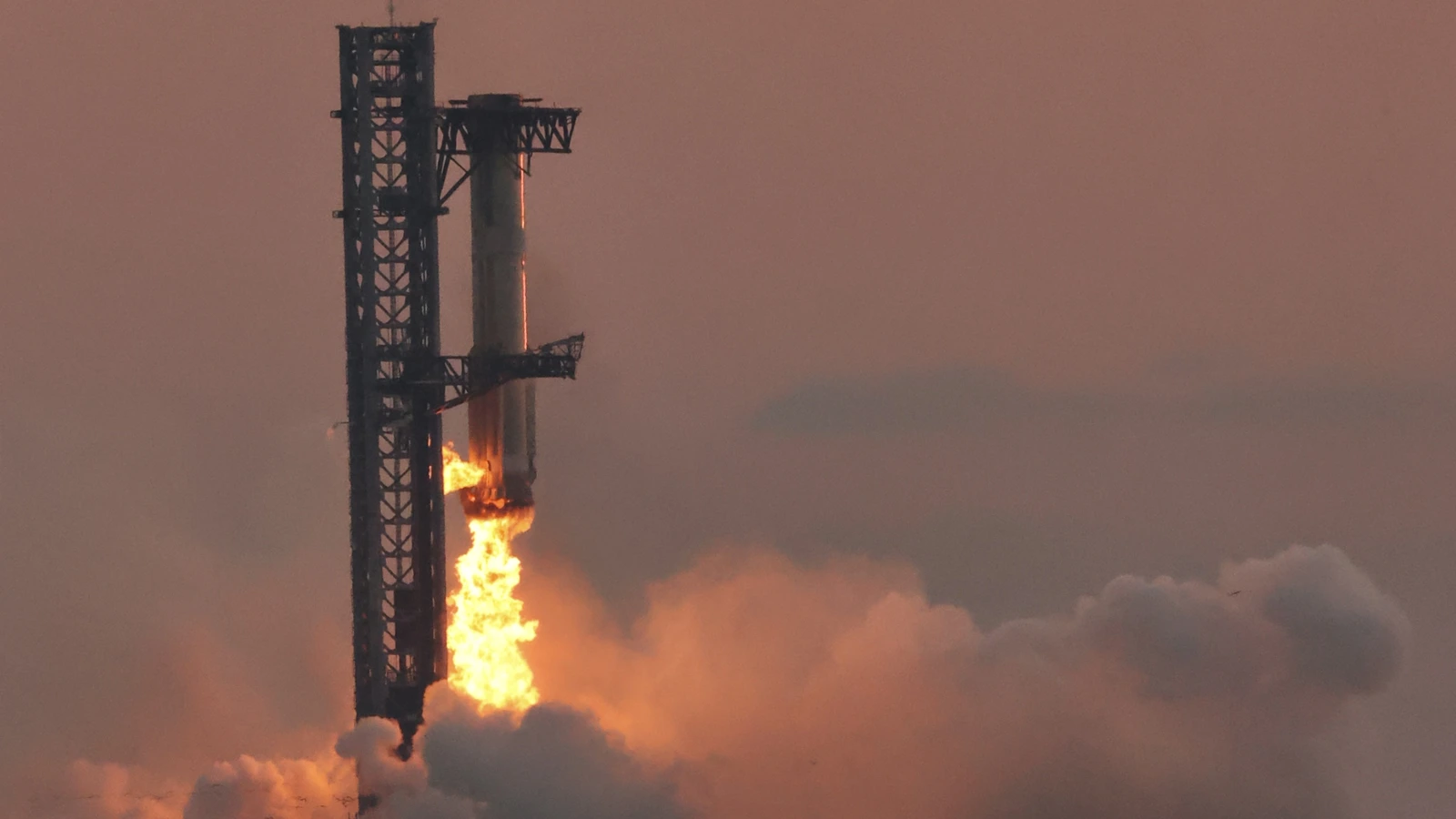
There are still big ifs. The FCC only cleared SpaceX's plan for disposing of satellites below 600 km. For the higher orbits, it wants a final debris plan before any go up. Rivals and analysts doubt the economics, and a million satellites means thousands of launches, which depends on Starship flying regularly. Other companies have their own plans waiting at the FCC, including Starcloud with 88,000 satellites and Blue Origin with 51,600.
For now the sky looks the same as it did last week. Our what you can see in the sky tonight page shows what's worth stepping outside for.
Sources:
- Memorandum Opinion and Order and Authorization, DA 26-1273, FCC Space Bureau, 25 November 2026
- US approves SpaceX plan to send a million data satellites to space, BBC News
- FCC approves SpaceX's 1-million satellite orbital data center constellation, Via Satellite
- FCC clears SpaceX to put up to a million satellites in orbit, GeekWire
- FCC greenlights SpaceX's million-strong orbital data center constellation, New Atlas
- SpaceX wins FCC approval to deploy 1 million orbital data center satellites, CNBC
- Lawler, Boley and Rein, Visibility Predictions for Near-Future Satellite Megaconstellations: Latitudes near 50° Will Experience the Worst Light Pollution, The Astronomical Journal
- Shadow heights and times: our own calculation with Skyfield and NASA JPL's DE421 ephemeris
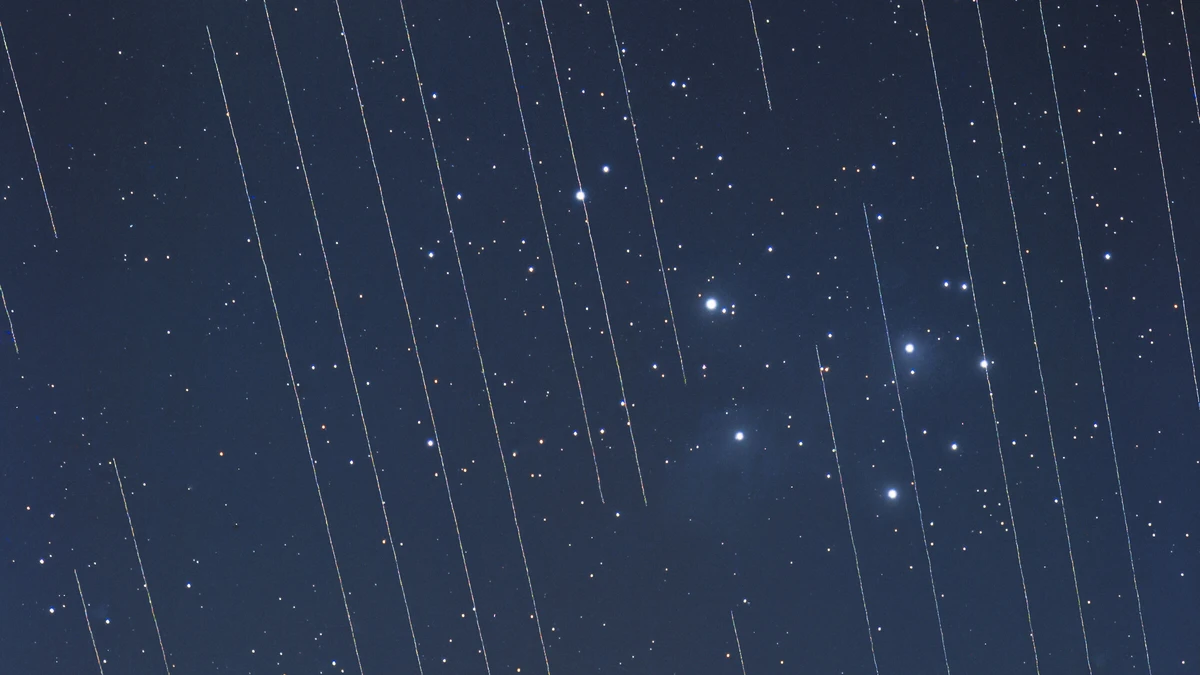
Header image: a train of Starlink satellites over Carson National Forest, New Mexico. Credit: M. Lewinsky, CC BY 2.0, via NOIRLab.
Frequently Asked Questions
Equipment guides
Related topics
Ian ClaytonAmateur astronomer and founder of WatchTheStars.co.uk, dedicated to helping others explore the wonders of our universe. Full profile →