Key takeaways
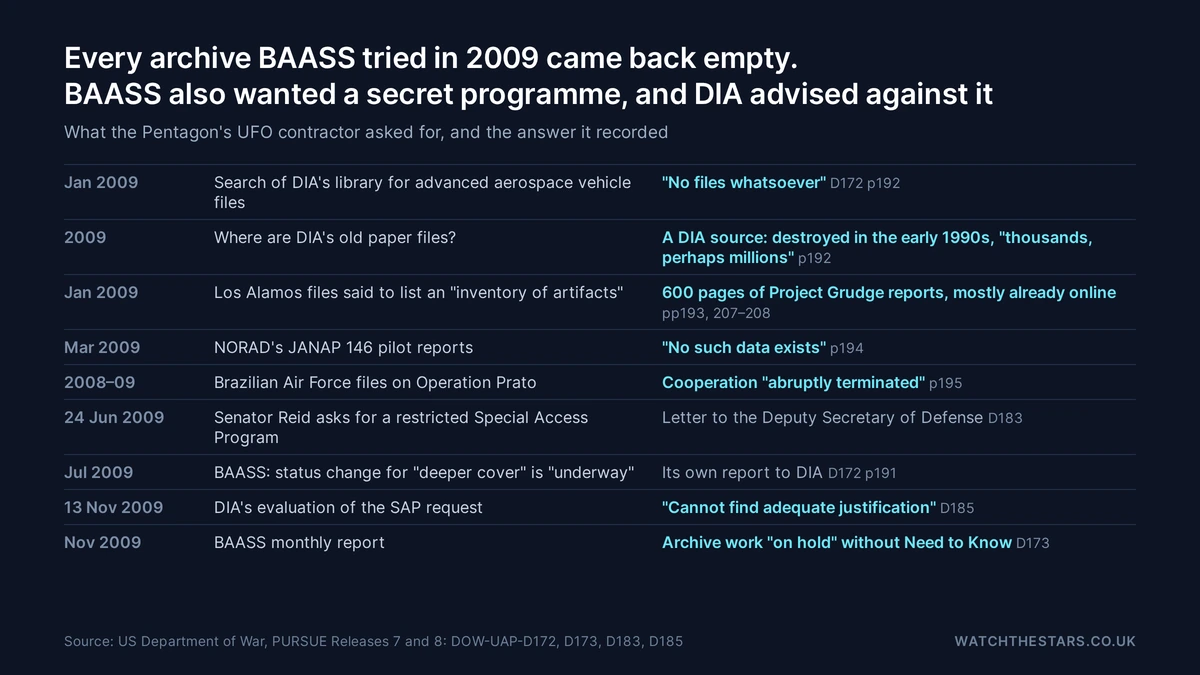
- BAASS, the Pentagon's UFO contractor, told DIA in July 2009 that a search of DIA's library had found 'no files whatsoever'
- A DIA source told BAASS the agency destroyed 'thousands, perhaps millions' of paper files in the early 1990s
- The Los Alamos UFO files BAASS was promised turned out to be 600 pages of Project Grudge reports, mostly already online
- NORAD said it held no JANAP 146 pilot reports, and Brazil's attachés broke off contact over the Operation Prato files
- BAASS said a status change, 'already underway', would give it 'deeper cover', and its 2010 plan hinged on Special Access Program status, which DIA advised against in November 2009
Jump to section 6 sections
- Did the DIA Destroy Its UFO Files? What It Told BAASS
- The Los Alamos UFO Files: An 'Inventory of Artifacts' That Wasn't There
- NORAD and JANAP 146: Where Are the Pilot UFO Reports?
- Operation Prato Files: Why Brazil Stopped Talking
- AAWSAP's 'Deeper Cover' and the Special Access Program Request
- Did the Pentagon Hide UFO Files? What the Empty Archive Shows
In 2008 the Defense Intelligence Agency hired a Las Vegas company to study "advanced aerospace" threats. The company, Bigelow Aerospace Advanced Space Studies (BAASS), had told its sponsor where it expected to find the government's hidden UFO records. Ten months later it reported back. The records weren't there.
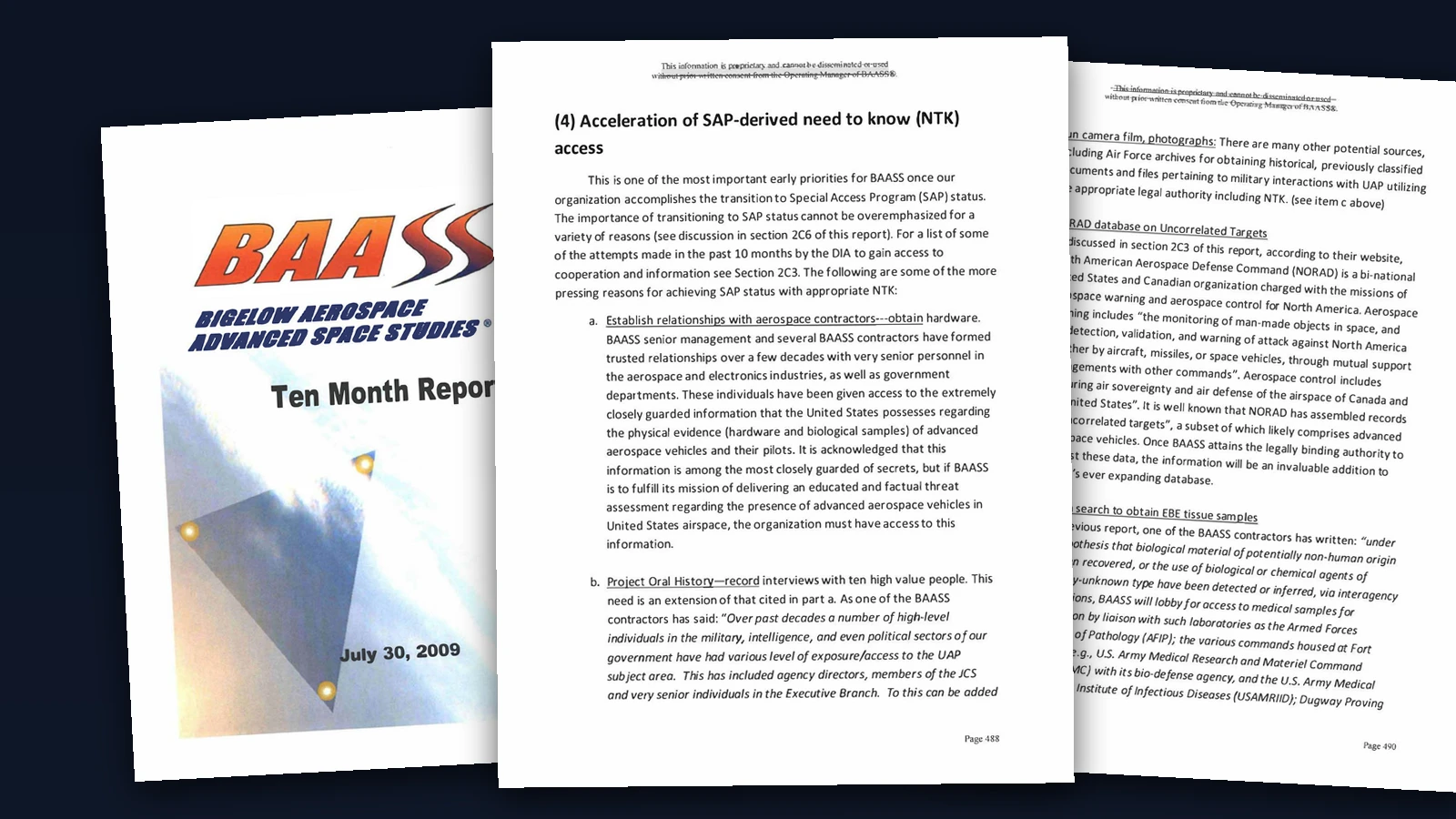
That report is DOW-UAP-D172, the BAASS Ten-Month Report of 30 July 2009, published by the US Department of War in its eighth UFO file release on 20 November 2026. CBS News has reported that a copy appeared online the year before, but this is the government's own release, all 538 pages of it. Five of those pages (pp191 to 195) cover what BAASS called Project Cooperation: getting DIA's help "to obtain high value film, hardware, relevant materials and information". Read together, they are a list of dead ends. Our round-up of the eighth Pentagon UFO file release covers the rest of the batch.
Did the DIA Destroy Its UFO Files? What It Told BAASS
The DIA told BAASS that it had destroyed most of its old paper files, according to the contractor's July 2009 report. It's a second-hand account: the report says the story "emerged from DIA", and no DIA document in the release records it.
First, in January 2009, a computer search of DIA's library for files on "Advanced Aerospace Vehicles" turned up "no files whatsoever". BAASS called that "a surprising result", since a quick look by its partner EarthTech had found hundreds or thousands of pages of DIA material already released under the Freedom of Information Act.
Then, "after several attempts", a DIA source (name redacted) explained:
"during the early 1990s as a part of transitioning from paper to electronic files, the DIA had destroyed thousands, perhaps millions, of paper files (some of which doubtless pertained to reports on the performance of advanced aerospace vehicles) around the United States and around the world. Even more surprising, electronic copies were made of only a small minority of these files prior to their destruction." (D172 p192)
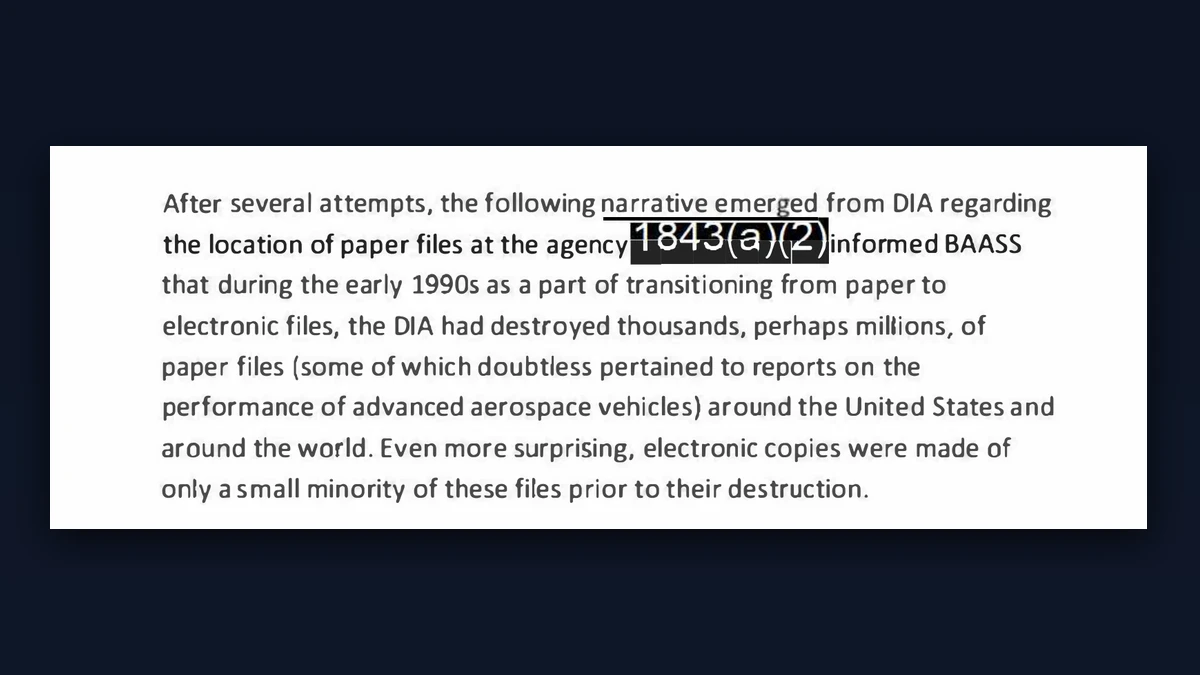
Two words in that passage are BAASS's, not DIA's. "Doubtless" is the contractor's guess about what the files held. On the same page BAASS adds that the CIA and NSA "had also likely destroyed millions of documents" in the same way. "Likely" is a guess too.
By the time BAASS wrote its plan for 2010 at the back of the same report, the guess had hardened. That section says flatly that "during the 1990s more than one intelligence [agency] destroyed millions of documents without creating electronic backups" (p487). No DIA, CIA or NSA document in this release says any of this.
The Los Alamos UFO Files: An 'Inventory of Artifacts' That Wasn't There
The Los Alamos UFO files were one of the leads BAASS's 2008 plan had promised, and they turned out to be Project Grudge reports anyone could already read online. In its first plan in late 2008, BAASS told DIA it knew of files held at Los Alamos National Laboratory that had been kept out of Project Blue Book. We covered that promise in our look at AAWSAP's nine-project plan.
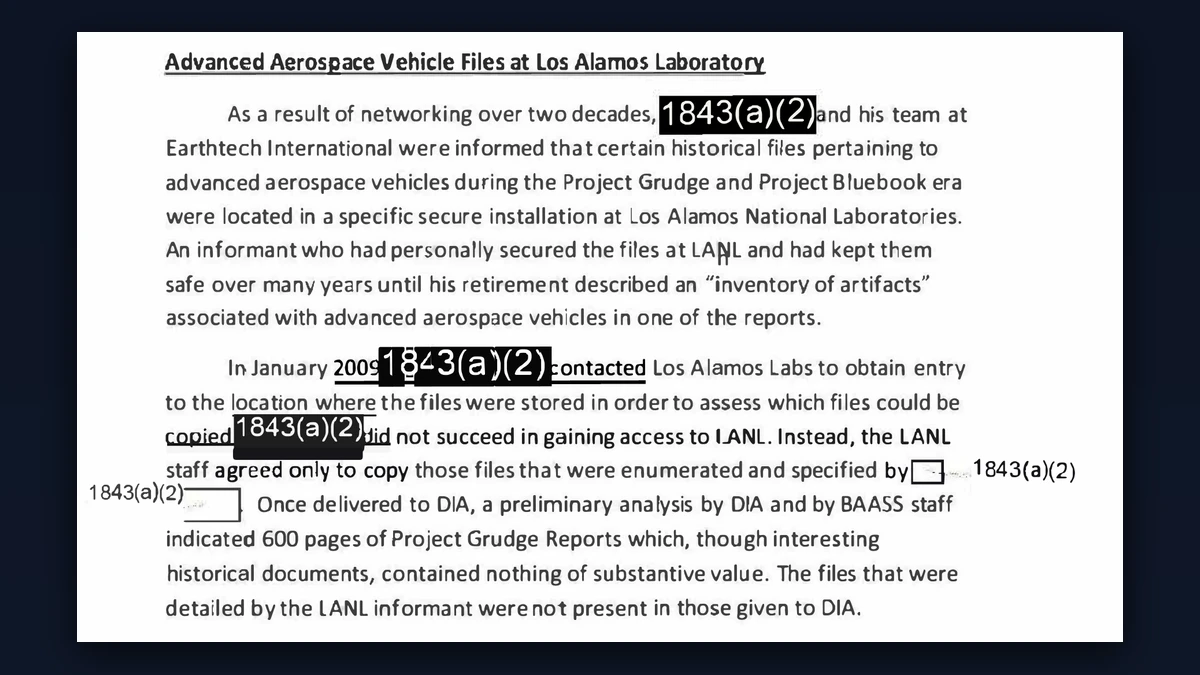
The source was an informant "who had personally secured the files at LANL" and kept them safe until he retired. He described "an 'inventory of artifacts' associated with advanced aerospace vehicles in one of the reports" (p207).
In January 2009 the laboratory refused BAASS entry. Staff would only copy files that were named in advance. When the copies reached DIA, they were "600 pages of Project Grudge Reports which, though interesting historical documents, contained nothing of substantive value" (p193). Project Grudge was the Air Force's UFO project between Project Sign and Project Blue Book, around 1949 to 1952 (context, not from the file).
"The files that were detailed by the LANL informant were not present in those given to DIA." (p207)
Worse, "the majority, if not all, of this 600 page batch of files had been de-classified and were available on the Internet" (p193). BAASS said the gap between the informant's story and what arrived was "still being investigated" (p208). Nothing in the eight releases so far says how that ended.
The same section notes that BAASS bought the full Project Blue Book microfilm, all 94 rolls, from the National Archives in March 2009 (p196). That's the public archive. Our post on why Project Blue Book ended explains where those records came from.
NORAD and JANAP 146: Where Are the Pilot UFO Reports?
NORAD told the programme it held no JANAP 146 pilot reports at all. BAASS describes JANAP 146 as "the regulation that mandates military pilots to report UAP encounters", with NORAD as the reporting organisation in the US (p193).
In March 2009 someone (redacted) approached NORAD on the sponsor's behalf, asking for the last decade's reports. The answer: they "[were] told that no such data exists". The report goes on: despite "clearly written regulations on the books", no such reports "had been received by NORAD" (p194).
That fits a pattern elsewhere in the same document. The lead F-15 pilot in BAASS's RAF Lakenheath 2007 case told the contractor he didn't know there was any military procedure for reporting UFOs (p100). In its 2010 plan BAASS was still asking for NORAD's database of "uncorrelated targets", to be requested once it had "the legally binding authority" (p496).
Operation Prato Files: Why Brazil Stopped Talking
Brazil's Operation Prato files were the fourth dead end. The Brazilian Air Force investigated lights over Colares island in 1977, and BAASS repeats the claim that the operation produced "over 1,000 pages", "over 500 photographs" and "fifteen hours of motion film", of which only 206 pages had leaked (p194). Our Operação Prato page has the background.
DIA approached two Brazilian attachés in Brasília, who briefed the Brazilian ambassador. "After an initially promising first round of contacts", the report says, staff changes meant "further cooperation was abruptly terminated" (p195).
Start your own record of the sky
Kit we've reviewed in full
The government's old UFO files may be gone, but most sightings start with a light that binoculars can identify in seconds. Note the time and direction, then take a proper look.
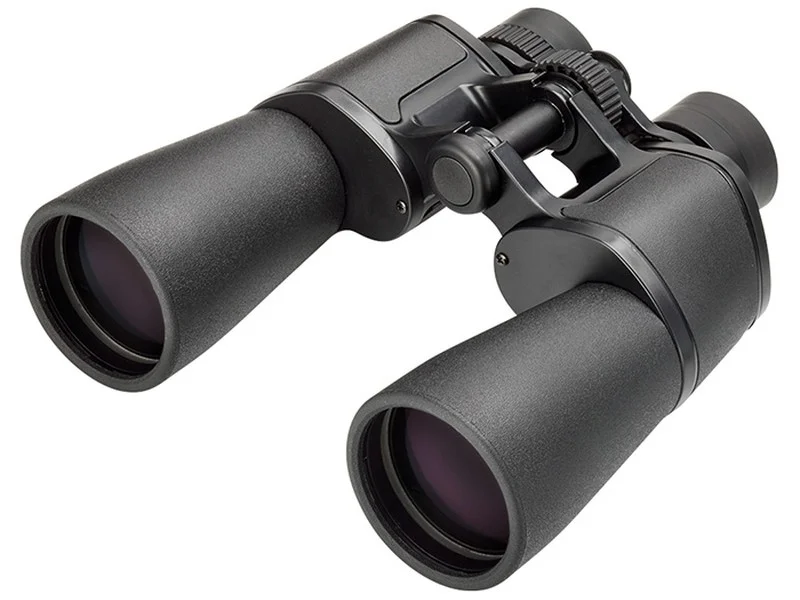
Bright and easy to hold steady, so you can tell a plane's lights or a satellite from something stranger.
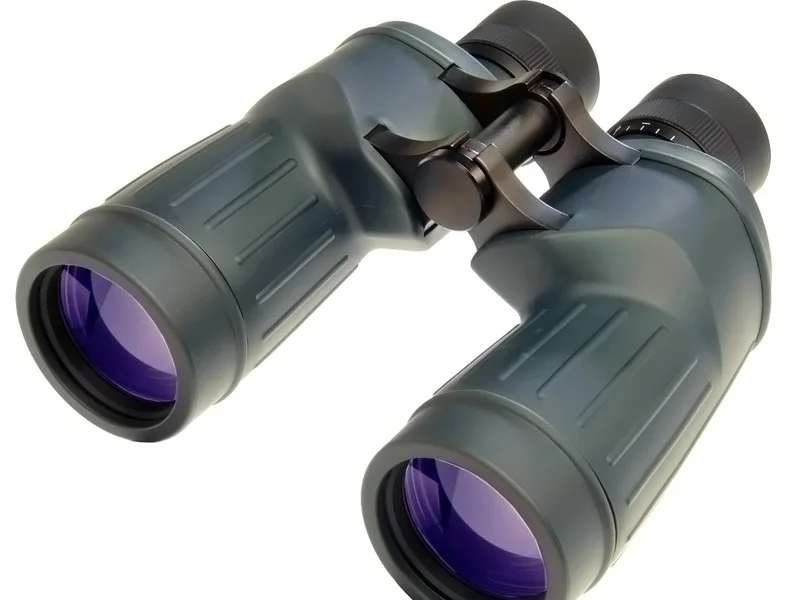
Crisp edges and good contrast for judging the shape of a distant light at dusk.
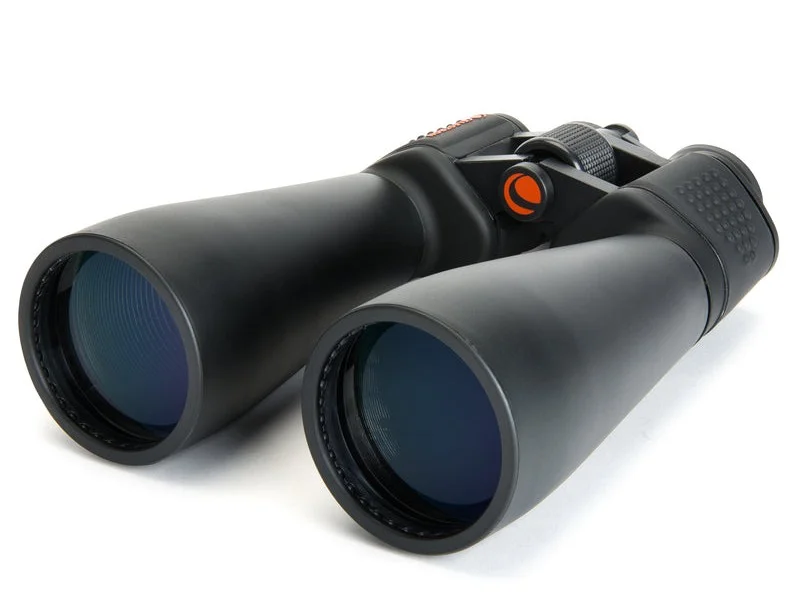
Affiliate links: you pay the same price, we earn a small commission that helps keep WatchTheStars free.
AAWSAP's 'Deeper Cover' and the Special Access Program Request
The same Project Cooperation section says a change to BAASS's status, already in hand, would give it more secrecy for its most sensitive work:
"it will be necessary to alter the official programmatic status of the BAASS operation. This change is already underway and will afford the BAASS organization deeper cover to pursue the projects that are deemed more sensitive." (p191)
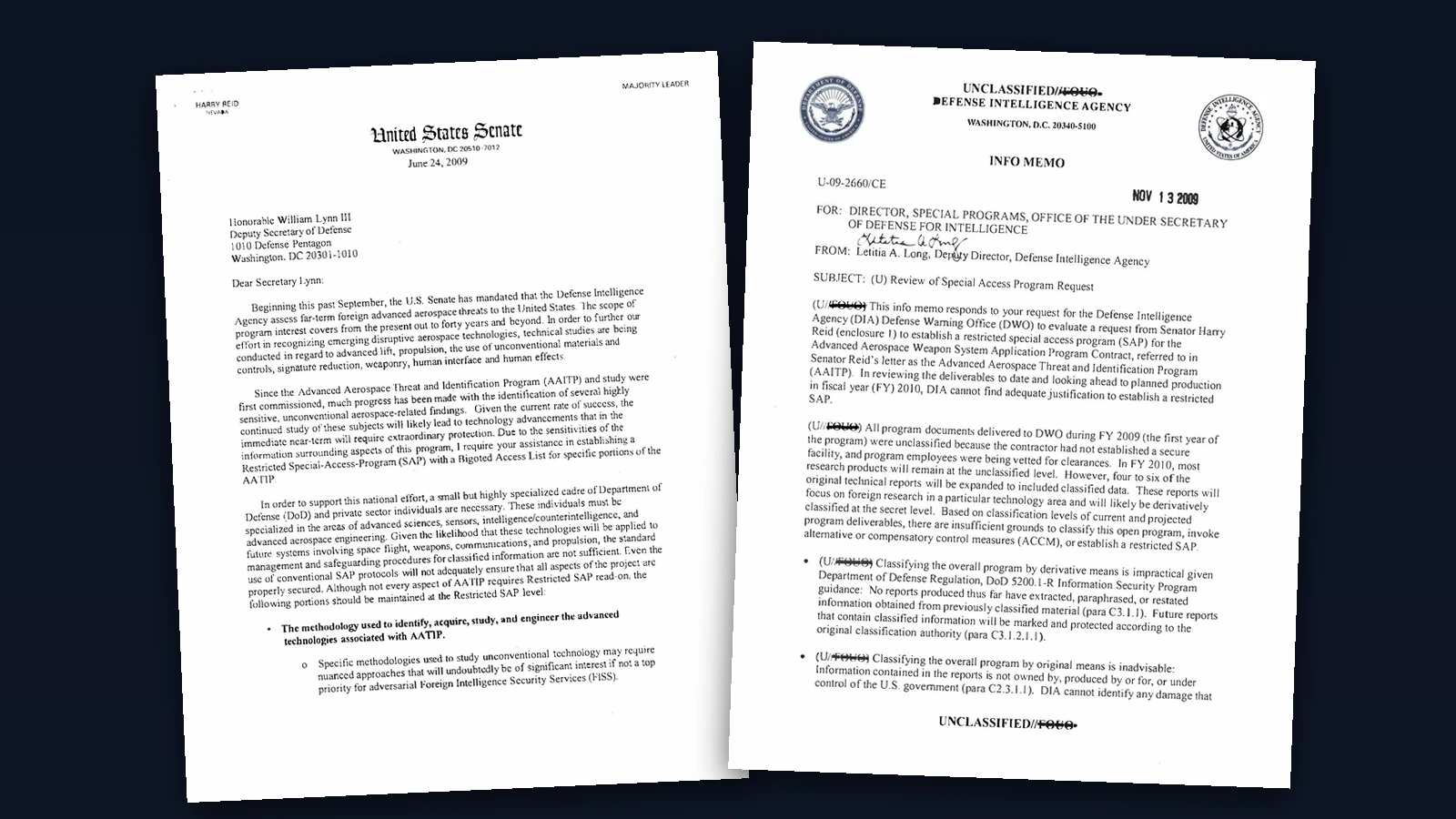
Some coverage has attributed "deeper cover" to Senator Harry Reid or the Pentagon. It is BAASS's phrase, in BAASS's own report. Elsewhere it says "changes to BAASS sponsorship are now underway" to win "Need-to-Know status" for interviews with highly placed insiders (p222). Its 2010 plan says "the importance of transitioning to SAP status cannot be overemphasized", and points straight back to this section for "the attempts made in the past 10 months by the DIA to gain access to cooperation and information" (p494). We look at what that plan wanted to reach in AAWSAP's 2010 wish list.
The government side is in two other Release 8 files. On 24 June 2009 Reid wrote to Deputy Secretary of Defense William Lynn asking for "a Restricted Special-Access-Program (SAP) with a Bigoted Access List for specific portions of the AATIP" (D183). On 13 November 2009 DIA's Deputy Director, Letitia Long, sent the agency's evaluation: "DIA cannot find adequate justification to establish a restricted SAP" (D185). Every report delivered so far was unclassified, she wrote. Strictly, that was DIA's advice to the Special Programs office of the Under Secretary of Defense for Intelligence, and no final ruling is in the files. Our AATIP vs AAWSAP page untangles the names, and Harry Reid's AATIP letter covers the request in full.
The new status never seems to have arrived. BAASS's own November 2009 report, released in Release 7, says Project Northern Tier, "entry into classified archives" and Project Oral History were "on hold because BAASS currently does not have the Need to Know" (D173, p155).
Did the Pentagon Hide UFO Files? What the Empty Archive Shows
The BAASS files show a contractor that looked for a hidden government UFO archive and didn't find one. They don't prove there was never anything to find. BAASS clearly believed the material existed and that it lacked the clearance to reach it. DIA's own view, in the November 2009 evaluation, was that nothing BAASS had produced was sensitive enough to need extra protection.
What the files do show is how thin the trail was. One library search, one informant whose files didn't match his story, one NORAD answer, one stalled diplomatic contact and a second-hand account of mass destruction of paper files. That's the documented sum of the programme's archive hunt in its first ten months. For the other projects, from Project Northern Tier to the Utah ranch, see our AAWSAP programme guide.
The files BAASS did get were mostly public sighting reports, and most sightings start with a light in the sky. If you see something odd, note the time and direction, then check what you can see in the sky tonight and whether there were ISS passes tonight. Our UK night sky this week guide lists the bright planets that fooled plenty of 1950s pilots. You can read the whole Ten-Month Report, and every other release, in our Pentagon UFO file browser.
Sources:
- US Department of War, PURSUE Release 8 (20 November 2026): DOW-UAP-D172, BAASS Ten-Month Report, 30 July 2009 (pp100, 191–196, 207–208, 222, 487, 494, 496); DOW-UAP-D183, Senator Harry Reid to Deputy Secretary of Defense William Lynn, 24 June 2009; DOW-UAP-D185, DIA review of the AAWSAP Special Access Program request, 13 November 2009. Originals at war.gov/ufo
- US Department of War, PURSUE Release 7 (23 October 2026): DOW-UAP-D173, BAASS monthly report, November 2009 (p155)
Header image: pages 187, 186 and 188 (printed numbering) of the BAASS Ten-Month Report, DOW-UAP-D172, released by the US Department of War.
Frequently Asked Questions
Equipment guides
Related topics

Ian ClaytonAmateur astronomer and founder of WatchTheStars.co.uk, dedicated to helping others explore the wonders of our universe. Full profile →