Key takeaways
- CIA-UAP-016 is a four-page CIA information report distributed on 11 April 1968, released again by the Pentagon in PURSUE Release 3
- The CIA Himalayan UFO report lists seven sightings over Ladakh, north-east Nepal, north Sikkim and western Bhutan between 19 February and 25 March 1968
- The CIA report's most striking line is a metallic disc, six feet across and four feet high, found in a crater near Pokhara in Nepal
- Our Skyfield check of the CIA-UAP-016 sightings found the Moon below the horizon for every night event, so the brilliant lights made their own light
Jump to section 6 sections
- What Is CIA-UAP-016? The CIA's 1968 Himalayan UFO Report
- The Seven 1968 UFO Sightings in Ladakh, Nepal, Sikkim and Bhutan
- The Pokhara UFO Disc: A Metal Object in a Crater
- Were the Himalayan UFOs Fireballs? Our Sky Check
- Why the CIA Cared About UFOs Over Tibet in 1968
- Where to Read the CIA Himalayan UFO Report (CIA-UAP-016)
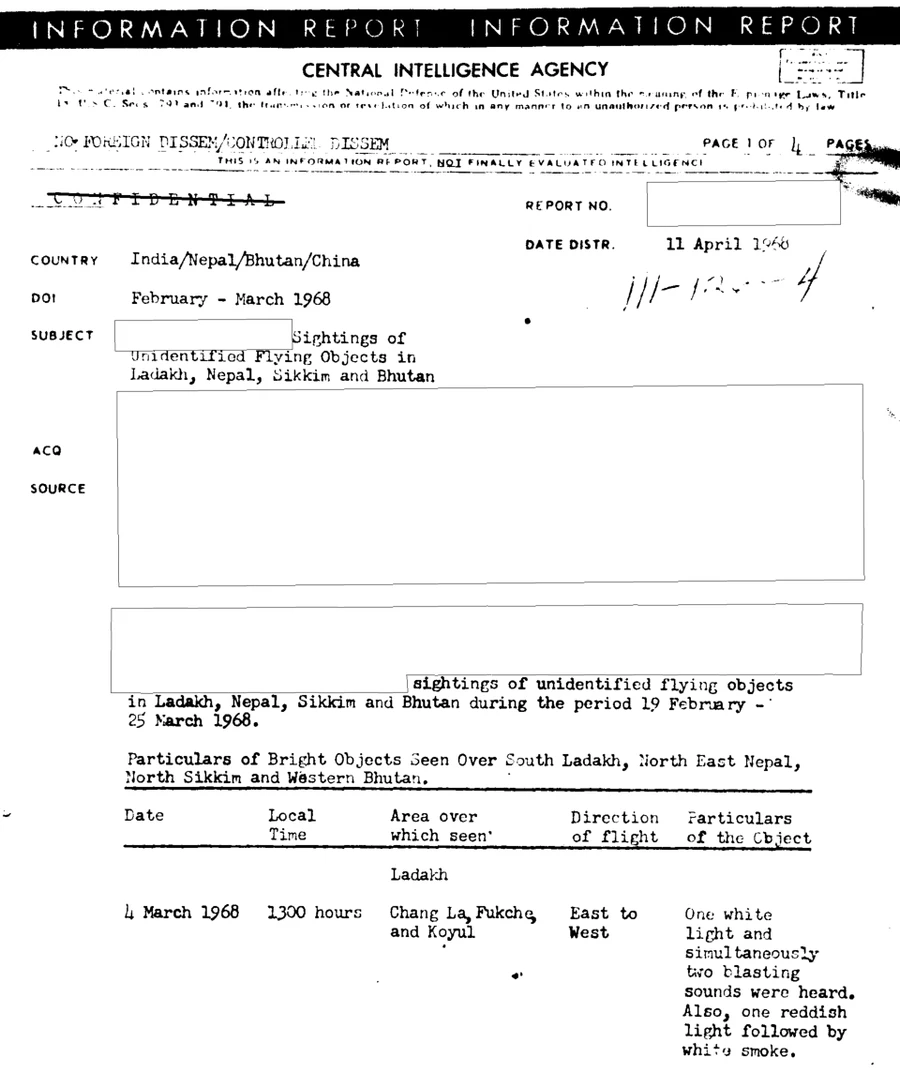
In the spring of 1968 the CIA put together a short table of bright objects seen along the Himalayan border, from Ladakh in the west to Bhutan in the east. That CIA UFO report, filed in the Pentagon's release as CIA-UAP-016, is titled "Sightings of Unidentified Flying Objects in Ladakh, Nepal, Sikkim and Bhutan" and was distributed on 11 April 1968. It lists seven sightings in five weeks, and one entry ends with a metal disc lying in a crater near Pokhara in Nepal.
This is the latest post in our Document of the Week series, where we take one file from our declassified UAP document archive and explain in plain English what it says. We also ran every date and time through Skyfield to see what the sky was doing.
What Is CIA-UAP-016? The CIA's 1968 Himalayan UFO Report
CIA-UAP-016 is a four-page CIA information report, classified Confidential and marked "No Foreign Dissem", covering UFO sightings over India, Nepal and Bhutan between 19 February and 25 March 1968. The country line reads "India/Nepal/Bhutan/China". The report number, the source description and a whole paragraph are still blacked out.
| CIA-UAP-016 at a glance | |
|---|---|
| Official title | Sightings of Unidentified Flying Objects in Ladakh, Nepal, Sikkim and Bhutan |
| Released | 12 June 2026, PURSUE Release 3 (war.gov) |
| Distributed | 11 April 1968 |
| Period covered | 19 February to 25 March 1968 |
| Length | 6-page PDF: the 4-page report, a 1974 Air Force printout and a news clipping |
| Classification | Confidential, No Foreign Dissem / Controlled Dissem |
Across the top of the first page runs a standard CIA warning that is easy to miss: "not finally evaluated intelligence". In other words, this is raw reporting passed along, not a CIA conclusion. The report never says what the objects were.
The PDF has two extras. Page 1 is a newspaper clipping with photos of Donald Keyhoe of NICAP and Dr Edward Condon, who in late 1966 had just been named to run the Air Force's University of Colorado UFO study, the same study that ended up closing Project Blue Book. Page 2 is a printout from the Air Force Foreign Technology Division at Wright-Patterson, dated 13 June 1974, showing this report turned up in a database search that matched 152 documents. Its topic tags are "unidentified flying object" and "aircraft accident".
The Seven 1968 UFO Sightings in Ladakh, Nepal, Sikkim and Bhutan
The CIA report lists seven sightings of bright objects in a five-column table: date, local time, area, direction of flight and a description. Here they are in date order.
| Date (1968) | Local time | Where | What the table says |
|---|---|---|---|
| 19 Feb | 21:00 to 21:15 | Walungchung Gola and Ghunsa, north-east Nepal | Long, thin, fast, red and green light, bright as day, thunder a few seconds later; north-east to south-west |
| 19 Feb | 21:00 to 21:15 | Lachung, Lachen, Thangu area, north Sikkim | Bright object with light from its tail, lit the whole area, thunder heard |
| 21 Feb | 21:30 | Thimphu, Bhutan | Bluish, high speed, no noise, bright enough to light the area; east to west |
| 4 Mar | 13:00 | Chang La, Fukche and Koyul, Ladakh | One white light and two blasts heard; a reddish light followed by white smoke |
| 4 Mar | 13:00 | Ane La area, Ladakh | Followed a circular path, left a smoke trail |
| 25 Mar | 21:50 | Fukche, Koyul and Demchok, Ladakh | Rocket-like, white-yellow trail, 20,000 to 25,000 feet; north to south |
| 25 Mar | time unclear (see below) | Kaski region, Nepal | Blazing, flashing object that broke up with a big thunder sound; disc found in a crater |
The Sikkim entry shows the compiler's own doubts. They wrote "This information is rather confusing" because witnesses in different valleys gave opposite directions, then sided with north-east to south-west because it matched the Nepal sighting at the same time. Some newspapers counted six sightings, not seven, because the two 19 February entries look like one object seen from two places.
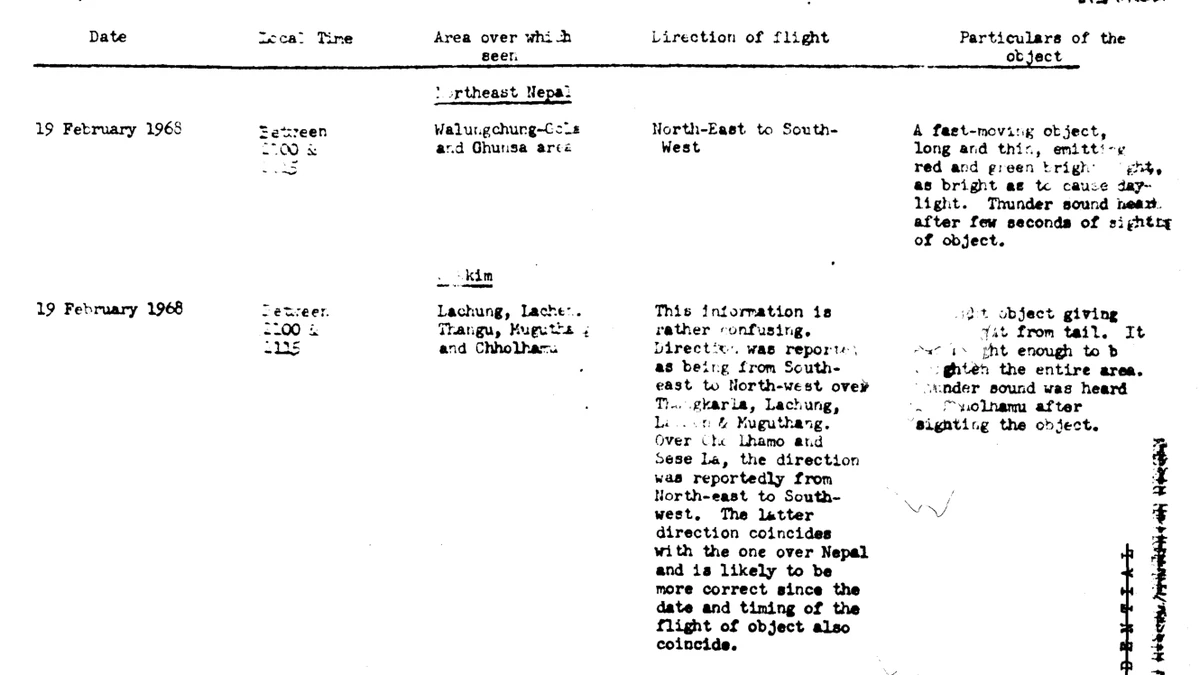
The Bhutan entry adds a political note. The witnesses said east to west, but the compiler pointed out there was "nothing but Indian territory" due east of Thimphu, so the object "could well be" travelling from north-east to south-west, "from the direction of Tibet". That's a guess about direction, not evidence of where anything came from.
The Pokhara UFO Disc: A Metal Object in a Crater
The Pokhara UFO disc is a metal object the CIA report says was found in a crater near Pokhara, Nepal, after a fireball-like object broke up overhead on 25 March 1968. It's the reason this file gets passed around. That night, over the Kaski region of Nepal, a blazing, intermittently flashing object "accompanied by big thunder sound" broke up. Then comes the line everyone quotes: "A huge metallic disc-shaped object with a six-foot base and four feet in height was found in a crater at Baltichaur, five miles NE of Pokhara." Portions of a similar object were found at two other places.
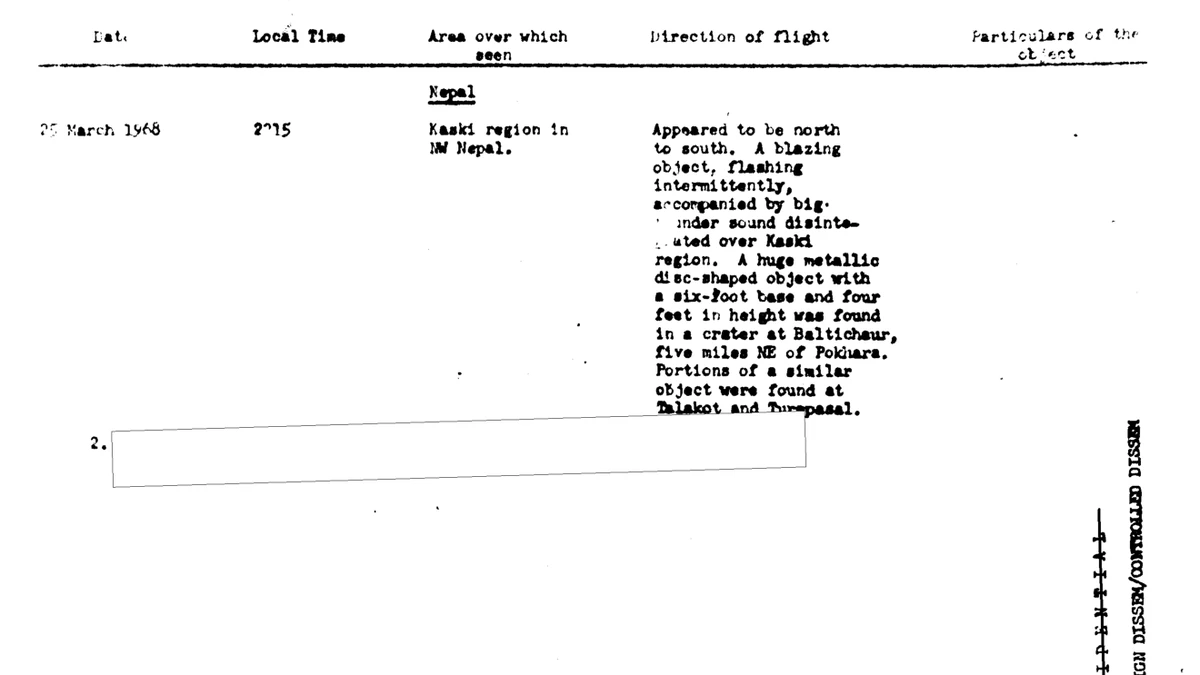
"Disc-shaped" here describes a lump of metal on the ground, not a craft seen flying. A six-foot dome or end cap from a rocket stage would fit that wording just as well as anything stranger. The time on the scan is also unreadable in the middle ("2?15"). Local accounts gathered in 2024 by the Nepali Times put the bang at about 8:15pm, so we've used 20:15.
The village is usually spelled Batulechaur today. According to the Nepali Times, later US papers show the Air Force's Foreign Technology Division thought the debris might be from a Chinese missile test or a Soviet rocket, and a US Embassy letter of August 1968 pointed to the rocket that launched the Soviet satellite Kosmos 208 four days earlier, on 21 March. The paper also reports that the embassy eventually had a fragment shipped to the United States. We haven't seen those later documents and couldn't confirm when that rocket stage came down, so treat the Kosmos link as a lead, not an answer.
See a fireball for yourself
Kit we've reviewed in full
Most bright lights that cross the sky in a few seconds are meteors or re-entering space junk. A good pair of binoculars helps you follow a smoke train or a slow-moving satellite. New to it? Start with our guide to binocular astronomy.
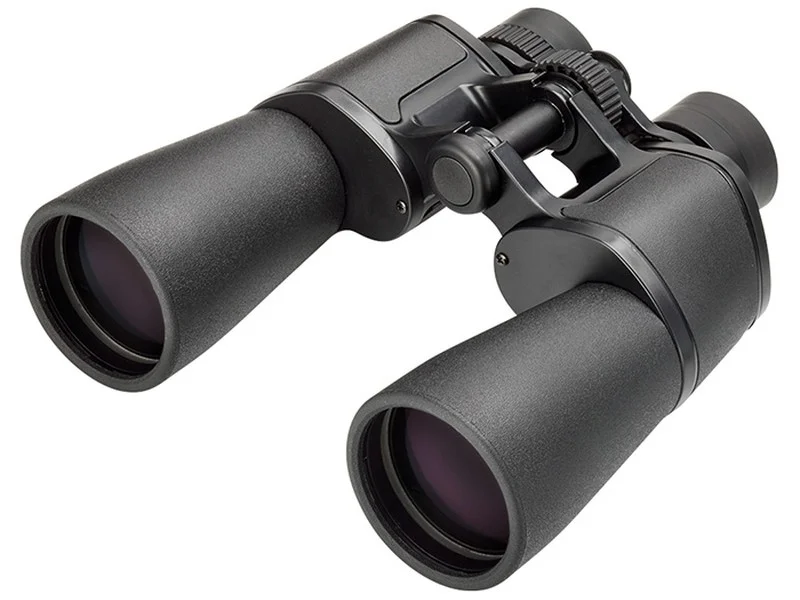
Wide, bright view and quick to aim, which is what you want when a fireball leaves a glowing trail behind.
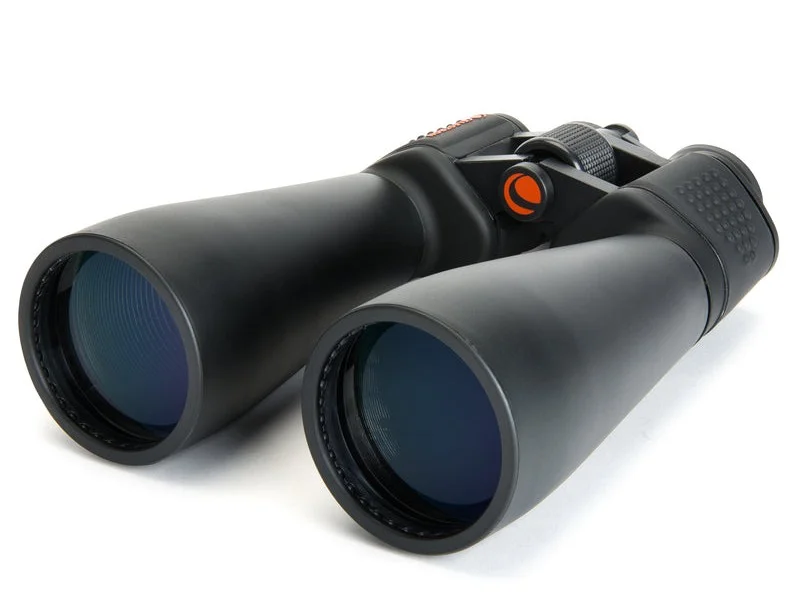
Heavier, but at 15x a lingering smoke train or a tumbling rocket body shows real detail.
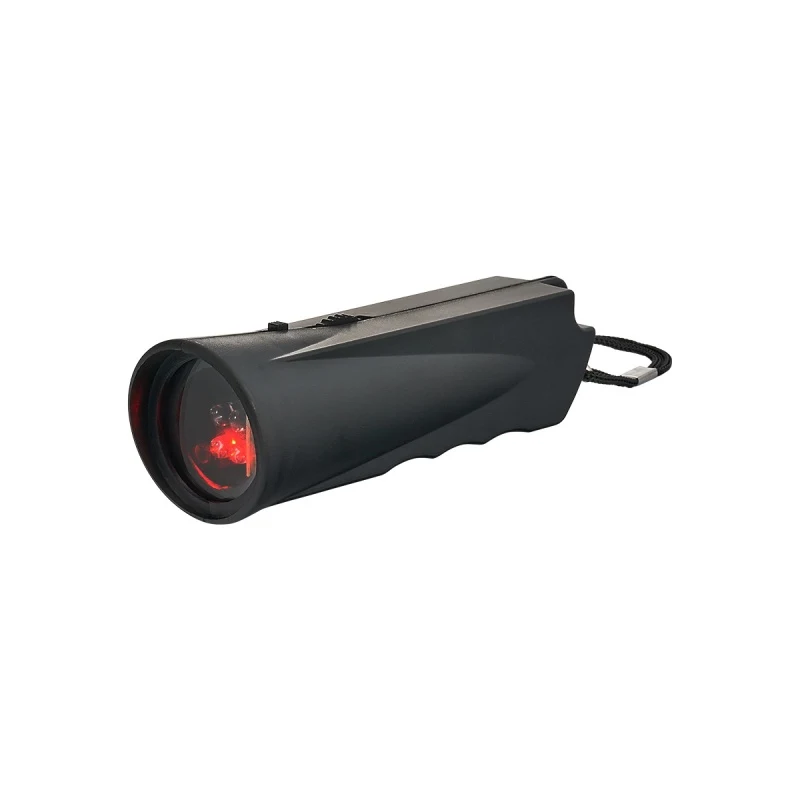
Astro Essentials Red Light Torch
Note the time, direction and height of anything odd without losing your dark adaptation. Those are the details this 1968 table is missing.
Affiliate links: you pay the same price, we earn a small commission that helps keep WatchTheStars free.
Were the Himalayan UFOs Fireballs? Our Sky Check
Most of the night sightings in CIA-UAP-016 read like textbook fireballs: very bright meteors that light the ground, glow red and green, and sometimes boom. We put each date, time and place into Skyfield, using UTC+5:30, which India, Nepal and Bhutan all used in 1968. All figures below are our calculation.
- The Moon was down for every night sighting. On 19 and 21 February the waning Moon hadn't risen yet (23° and 43° below the horizon). On 25 March it was a thin crescent, 11% lit and far below the horizon. Whatever lit up those valleys made its own light.
- The Sun was deep below the horizon, between 28° and 54° down. At those angles a satellite in low orbit overhead is in Earth's shadow, so it can't be sunlight glinting off a spacecraft. A fireball or a re-entry glows by itself.
- The two 19 February reports overlap exactly. Both say 21:00 to 21:15 on the same clock, about 80 km apart. One fireball seen from both sides of the border fits that neatly.
- The two 25 March reports are not one object. Kaski at about 20:15 and Demchok at 21:50 are more than 90 minutes and roughly 660 km apart.
- The 4 March sightings were at 1pm in full daylight, with the Sun 49° up. The only other thing in that sky was a 23%-lit crescent Moon about 46° up in the east.
One detail doesn't fit a meteor so neatly. The sound came "after few seconds". A real sonic boom from a fireball 30 km up takes a minute or more to reach the ground, so either memories compressed the gap or the object was much lower. Daytime blasts and smoke trails in Ladakh, close to the disputed border with China, could just as easily be military activity that local witnesses couldn't see.
If you want to see a fireball yourself, your best odds are during a good shower. Our page on the next meteor shower in the UK has dates, and we've written about a real fireball that dropped meteorites over Ohio. Space junk coming back in is rarer but just as spectacular, as the SpaceX Starfall capsule re-entry showed. Nothing new, either: Sweden's ghost rockets of 1946 and the green fireballs over New Mexico both turned on the same question.
Why the CIA Cared About UFOs Over Tibet in 1968
The CIA cared because of where these lights were, not what they were. In 1968 the Himalayan border was one of the tensest lines on Earth: India and China had fought a war there in 1962, and China had tested its first nuclear weapon in 1964. Anything bright and fast heading south-west "from the direction of Tibet" was worth writing down.
That fits the rest of the CIA material in the Pentagon's files. The CIA's 1973 report on Soviet UFOs near Sary Shagan is about a missile test range too, and the CIA's 1952 memo on Britain's UFO work worried mostly about false alarms. In each case the Agency's interest was what an odd light might reveal about someone else's rockets. The 1974 Air Force search tag "aircraft accident" points the same way: someone was looking for debris, not visitors.
None of that explains the disc. It's still one of the few entries in the CIA's UFO holdings with physical material on the ground, and we don't know where it ended up.
Where to Read the CIA Himalayan UFO Report (CIA-UAP-016)
The PDF is public on war.gov as part of the third PURSUE release of 12 June 2026. You can also open it, with a download from our mirror, in the PURSUE file browser. For the rest of that batch, read our guide to the Pentagon's third UFO file release.
The table pages are typewritten and readable, but some words at the edges are faded, so zoom in on the scan. The Nepal time and a few Sikkim place names are the hardest to read.
If you see something bright cross the sky, check the boring answers first. Our page on what you can see in the sky tonight lists the bright planets, and ISS passes tonight covers the space station. Note the time, direction and height, which are exactly what this 1968 table recorded. Our stargazing for beginners guide will help you tell a planet from a plane in a few weeks.
Sources:
- CIA-UAP-016, Sightings of Unidentified Flying Objects in Ladakh, Nepal, Sikkim and Bhutan, CIA information report distributed 11 April 1968, US Department of War, PURSUE Release 3, 12 June 2026, read from our mirror copy
- UFO over Pokhara, Nepali Times, 7 December 2024 (local accounts, later US documents)
- On UFOs and Yetis, The Kathmandu Post, 8 February 2019
- Moon and Sun positions: our calculation with Skyfield (JPL DE421 ephemeris) for each place and local time in the report, at UTC+5:30
Header image: illustration of a fireball over Himalayan peaks, generated with Gemini. Not a depiction of the 1968 events.
Frequently Asked Questions
Equipment guides
Related topics

Ian ClaytonAmateur astronomer and founder of WatchTheStars.co.uk, dedicated to helping others explore the wonders of our universe. Full profile →