Key takeaways
- SpaceX caught Starship's upper stage, Ship 42, with its launch tower at 21:20 GMT on Saturday 14 November 2026.
- Starship Flight 15 was the first catch of a Starship upper stage and the first return of one from orbit to its launch site.
- Ship 42 flew 14 orbits over about 22½ hours, the longest Starship flight so far, and released 26 Starlink V3 satellites.
- The Super Heavy booster aborted its own tower catch after a low fuel mass alarm and was destroyed in the Gulf of Mexico.
Jump to section 7 sections
- Starship Flight 15 Catch: What Happened on 14 November
- Why Catching Starship's Upper Stage Matters
- Starship Flight 15 Booster: Why the Catch Was Called Off
- Starship Flight 15 Timeline in UK Time
- Starlink V3 Satellites and the Heat Shield Check
- Can You See Starship From the UK?
- What's Next for Starship After Flight 15
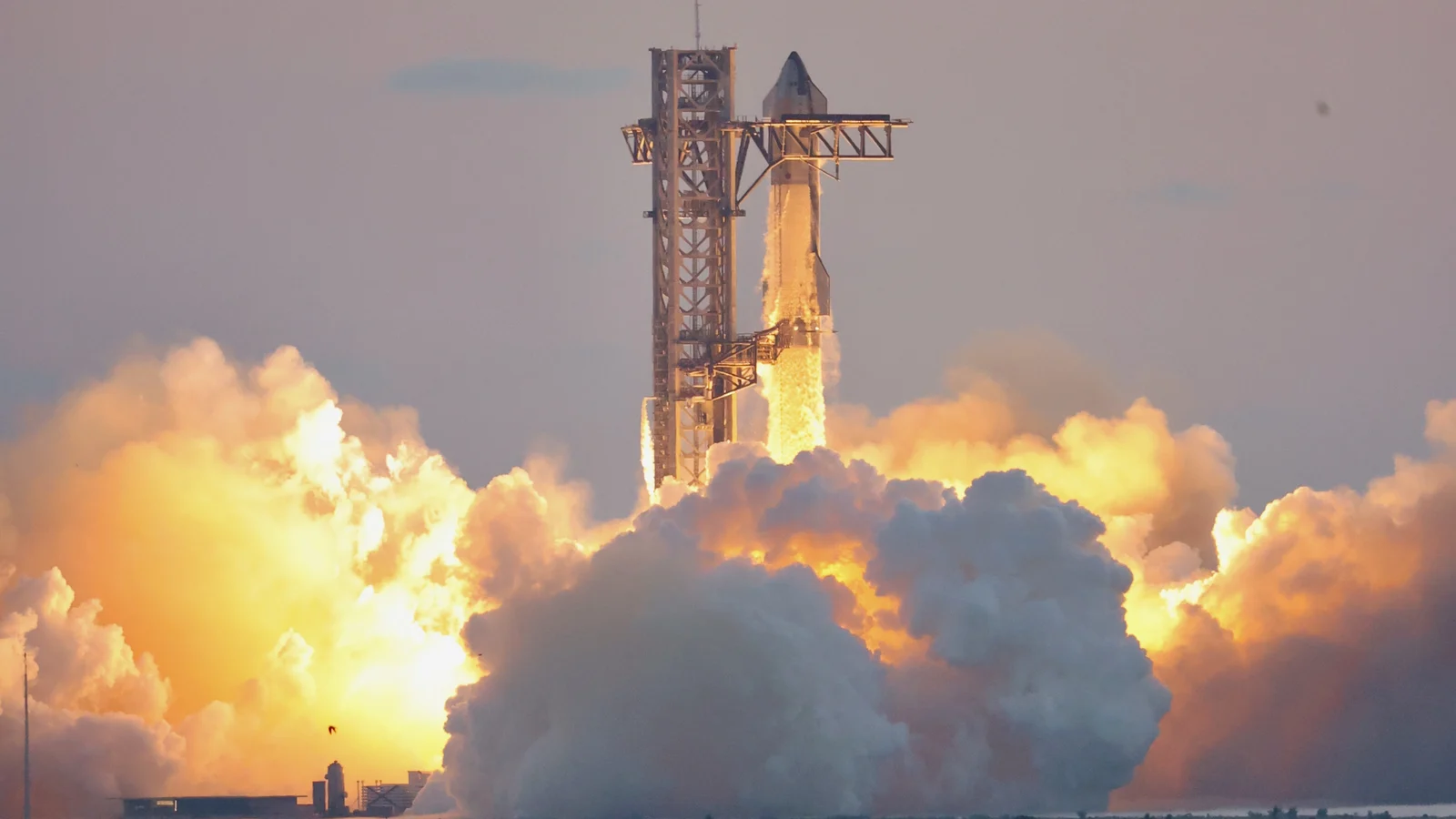
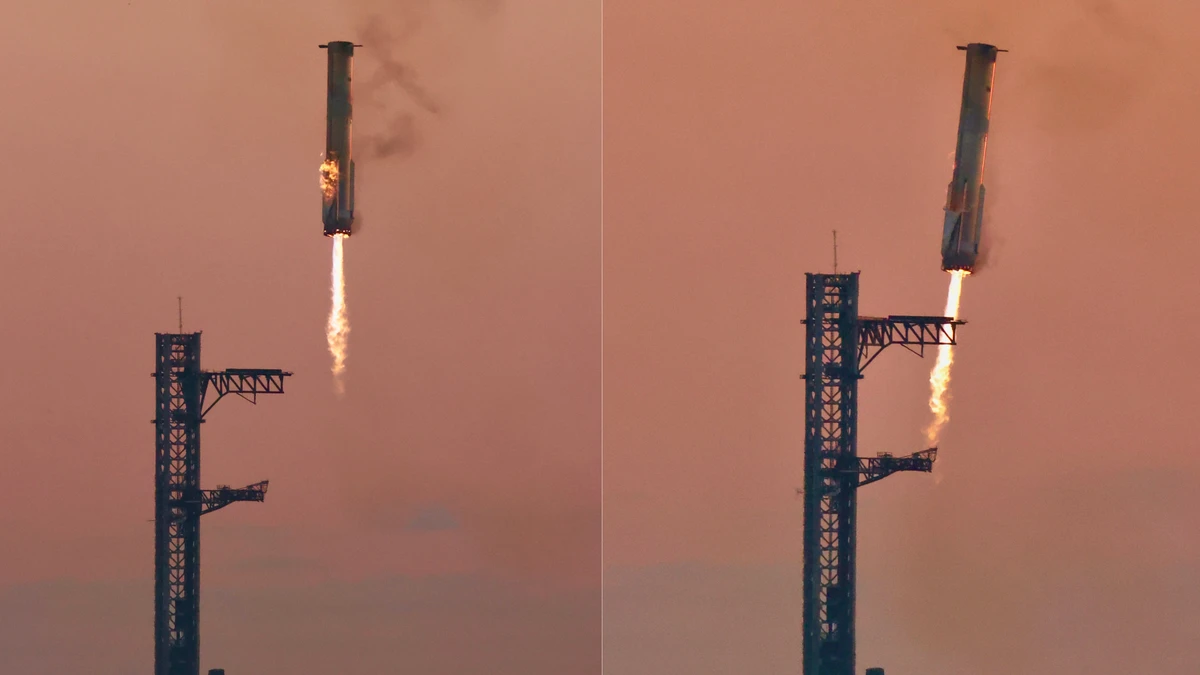
SpaceX has caught a Starship. At 21:20 GMT on Saturday 14 November, the upper stage of the world's biggest rocket came back from orbit and settled between the arms of its launch tower in Texas. Nobody had ever caught a rocket's upper stage before.
It wasn't the full result SpaceX wanted. The plan for Starship Flight 15 was to catch both halves of the rocket, and the Super Heavy booster never made it back to the tower. But the harder catch worked.
Starship Flight 15 Catch: What Happened on 14 November
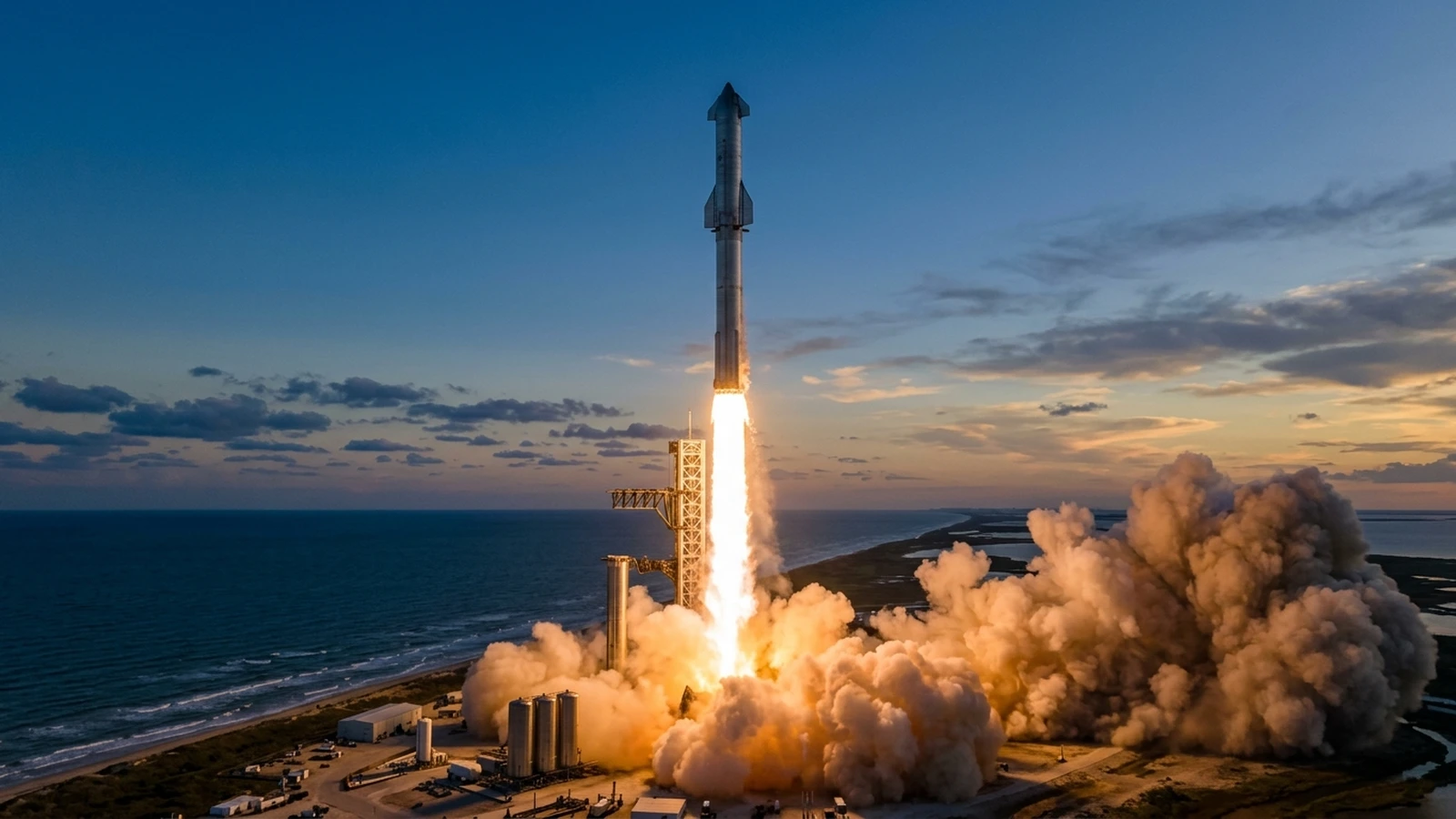
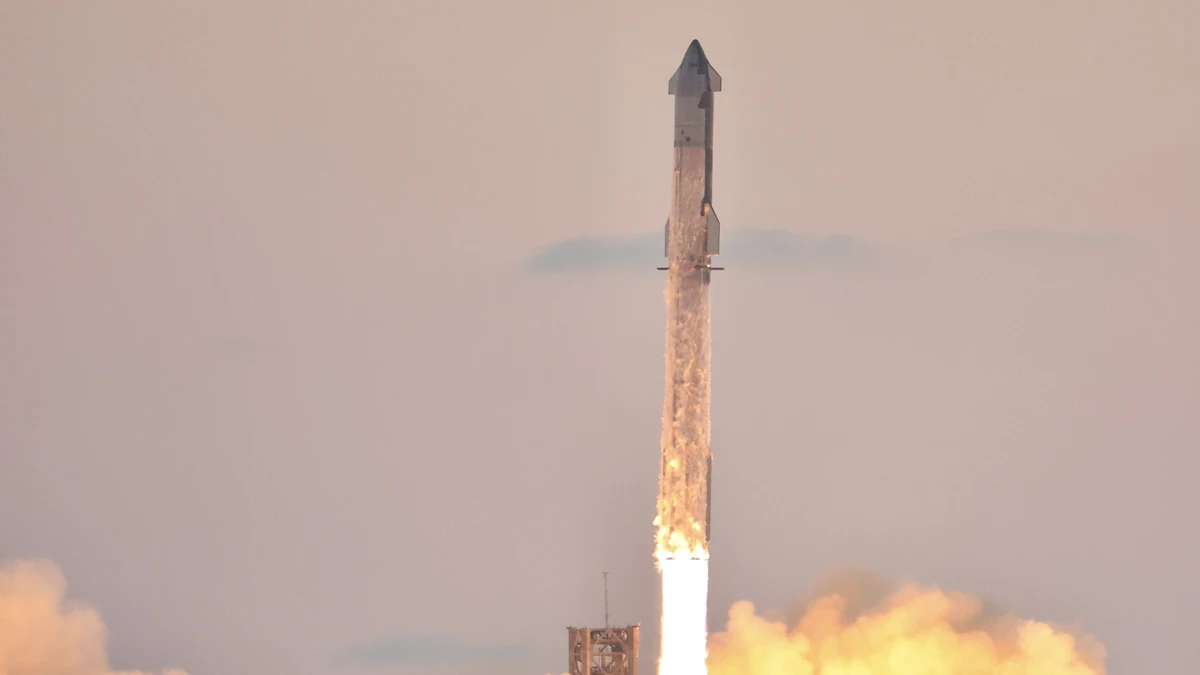
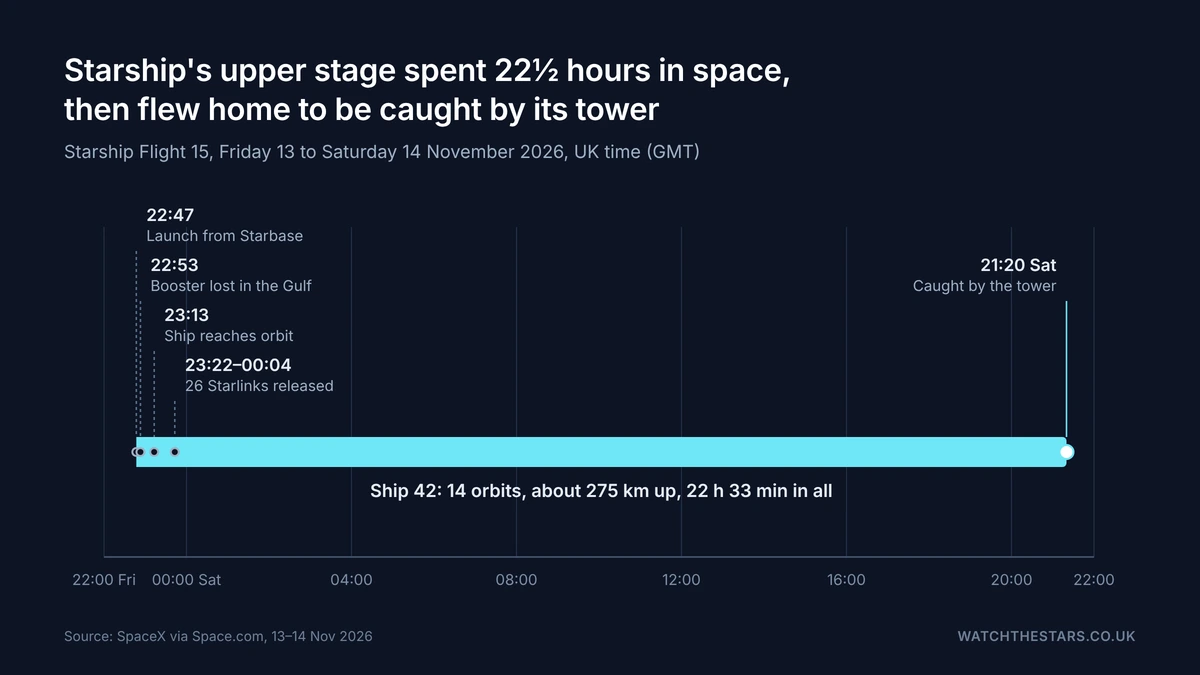
Starship Flight 15 lifted off from Starbase in South Texas at 22:47 GMT on Friday 13 November. The upper stage, called Ship 42, reached orbit 26 minutes later, about 275 km up. It then spent the night and most of Saturday going round the Earth, 14 times in all.
On Saturday afternoon in Texas, the ship fired an engine to slow down and dropped back into the atmosphere. It fell belly-first, the way Starship always comes in, then flipped upright and lit its engines for the last few seconds. The tower's two arms, which SpaceX calls Mechazilla, closed around it at 3:20pm local time. The whole flight lasted about 22 hours 33 minutes, the longest Starship flight so far.
SpaceX staff watched it come down through the clouds from outside. On the company's webcast, Dan Huot called it "the holy grail of spaceflight" and said: "We caught a Starship, and now everything changes."
Until now every Starship upper stage has ended its flight in the sea. Starship Flight 14 reached orbit for the first time in September, but it came down in the Pacific north of Hawaii after about three hours.
Why Catching Starship's Upper Stage Matters
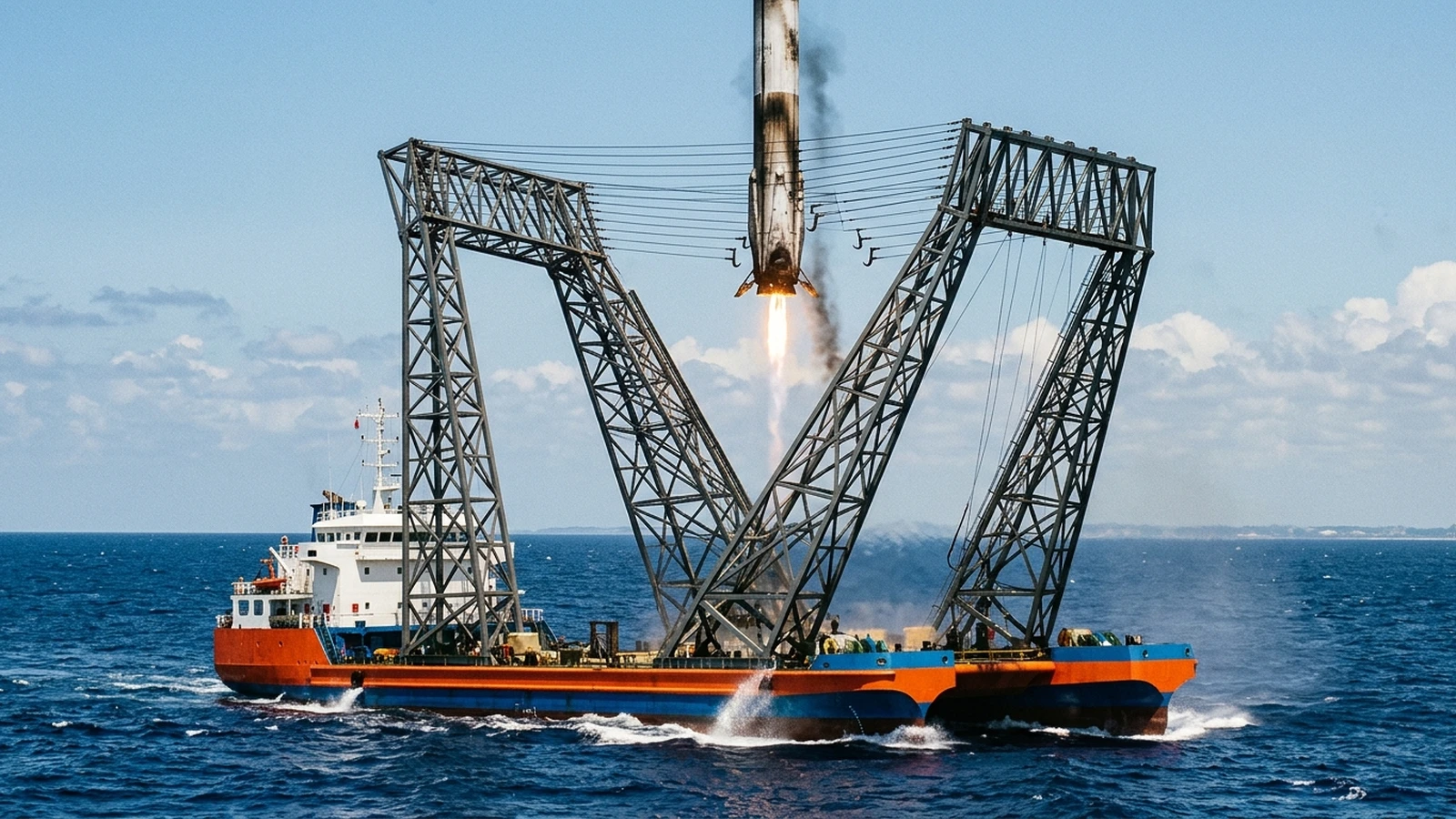
SpaceX has caught Super Heavy boosters before, on three earlier flights, and has flown two of them again. The booster is the easier one. It never reaches orbit and is back at the pad about seven minutes after launch.
The ship is far harder. It comes back from orbit at about 28,000 km/h, so it has to survive the heat of re-entry before it can line up with the tower. Ship 42 did both. Catching it means SpaceX can check it over on the pad and fly it again, with no ship fished out of the sea and no landing legs to carry.
That matters well beyond Starlink. NASA has picked Starship as one of the two landers for its Artemis Moon programme, with a crewed landing aimed at 2028. A lander that has to be refuelled in orbit needs a lot of tanker flights, and that is only affordable if the rockets come back and fly again.
Starship Flight 15 Booster: Why the Catch Was Called Off
The booster, Booster 22, was meant to be caught first, about seven minutes after launch. It separated from the ship as planned about two and a half minutes in, and 32 of its 33 engines relit to turn it back towards Texas. Then that burn ended early.
On Saturday's webcast, SpaceX's Kate Tice said: "Early indications are that the booster ended its boostback early due to a low fuel mass alarm." The booster's own guidance worked out that it wasn't where it needed to be for a catch, called it off automatically and steered out over the Gulf of Mexico. It hovered, cut its engines, and its self-destruct system blew it up just above the waves about six and a half minutes after launch.
Huot first blamed a guidance problem, then corrected himself the next day: the guidance system "was doing what it was supposed to do" in stopping the catch. SpaceX is still looking for the root cause. A catch would have been the first recovery of a booster of the bigger version 3 design.
Starship Flight 15 Timeline in UK Time
All times are GMT, worked out from the flight times SpaceX gave during its webcasts, as reported by Space.com.
| UK time | Event |
|---|---|
| 22:47 Fri 13 Nov | Liftoff from Starbase, Texas |
| 22:49 | Booster and ship separate |
| About 22:53 | Booster aborts its catch and is destroyed over the Gulf of Mexico |
| 23:13 | Short engine burn puts Ship 42 into orbit, about 275 km up |
| 23:22 to 00:04 | 26 Starlink V3 satellites released |
| 21:20 Sat 14 Nov | Ship 42 caught by the tower at Starbase |
Starlink V3 Satellites and the Heat Shield Check
Ship 42 carried 26 of SpaceX's new Starlink V3 internet satellites and released them between 35 and 77 minutes after launch. That makes 52 V3s in orbit, after the 26 dropped off on Flight 14. SpaceX said they were all healthy and starting to raise their orbits.
Three of them had a second job. They carried cameras pointed back at the ship to photograph its heat shield tiles. Along with ground cameras, those pictures told SpaceX the shield was in good enough shape to try a return to the tower. If it hadn't been, SpaceX would have brought the ship down in the Pacific instead. SpaceX has not yet said what condition the ship was in after the catch.
Kit for This Week's Dawn Sky
Kit we've reviewed in full
Starship never comes over the UK, but this week's sky is worth getting up for: Mars and Jupiter side by side, the Leonid meteors and the ISS. Our guide to the best binoculars for stargazing has more options.
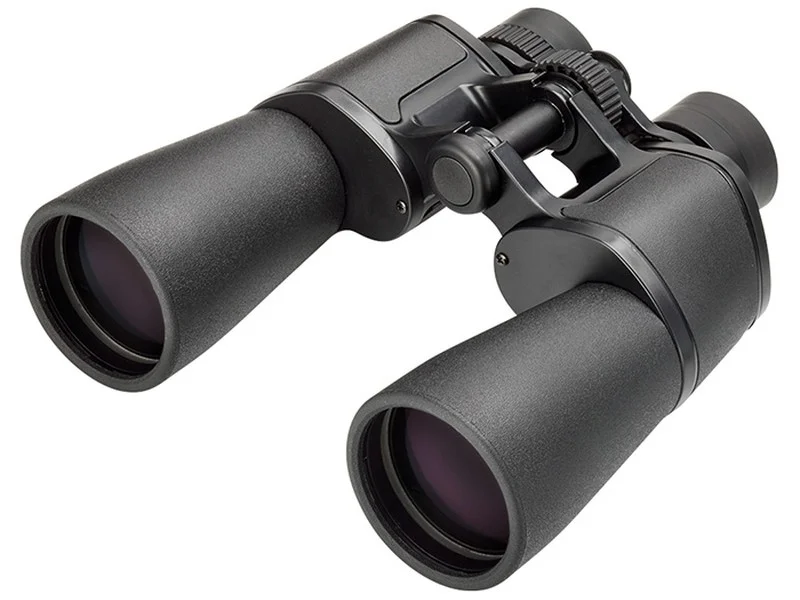
Light enough to hold by hand. Mars and Jupiter fit in one view this week, and Jupiter's moons show as tiny points beside it.
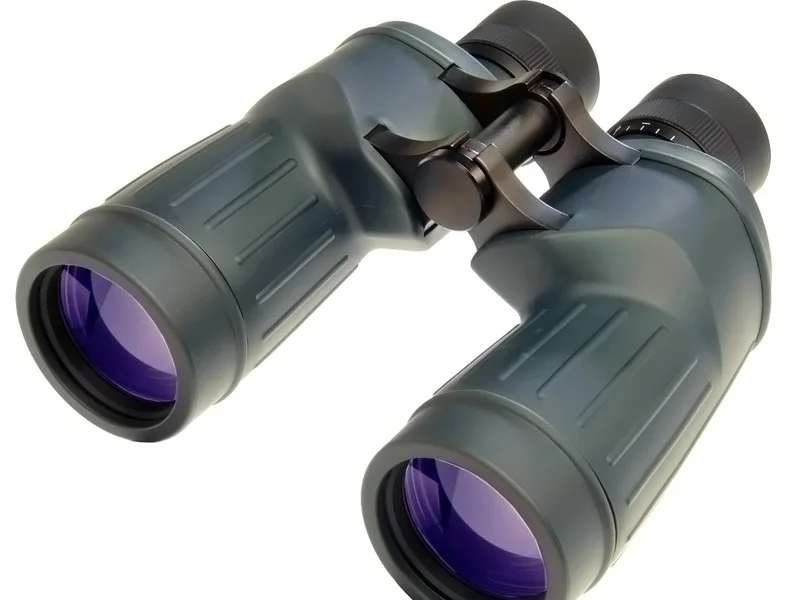
Sharper and brighter for Jupiter's moons, the First Quarter Moon's craters and the Pleiades.
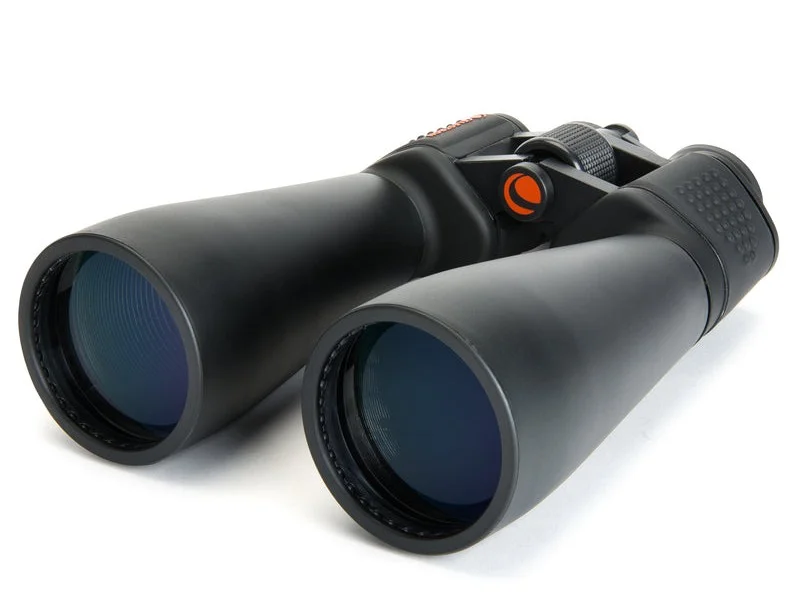
Bigger 70mm lenses pull in faint satellites and Uranus near the Pleiades. Best on a tripod.
Affiliate links: you pay the same price, we earn a small commission that helps keep WatchTheStars free.
Can You See Starship From the UK?
No. Starship launches eastwards from the southern tip of Texas, and its orbit keeps it far to the south of Britain. At 275 km up, it would need to pass within about 1,800 km of you to clear the horizon, and it never got that close to the UK.
There's plenty up there you can see. The International Space Station is the brightest thing in orbit, and our ISS passes tonight page gives times for your town. Our guide on how to spot the ISS explains what to look for, and the same tips work for Starlink satellites, which cross UK skies most weeks.
This week is a good one to get up early. On Monday 16 November at 06:30 GMT, Mars sits just 1.2° above Jupiter, about 52° up in the south from Birmingham (54° from Plymouth, 49° from Edinburgh). Then the Leonid meteor shower peaks on Tuesday and Wednesday mornings. Look from 3:00 to 5:30am GMT, after the Moon has set, when the radiant climbs from about 39° up in the east to 54° in the south-east. Expect up to about ten meteors an hour from a dark site. The UK night sky this week has the full night-by-night plan, and what you can see in the sky tonight checks the cloud for your postcode.
What's Next for Starship After Flight 15
SpaceX will now want to catch both halves on the same flight, and Space.com expects it to try again on the next one. SpaceX hasn't given a date for Flight 16 yet. Before the booster can be caught again, it needs to find out why Booster 22's fuel alarm went off.
The Moon lander comes next. Space.com reports that the Artemis III astronauts are due to fly their Orion capsule to Earth orbit in summer 2027 and test it with Starship there, ahead of the 2028 landing attempt. Before any landing, SpaceX also has to show it can refuel a Starship in orbit, and reusable ships are what make that string of tanker flights affordable.
It's also the latest in a year of firsts for reusable rockets, after China caught a Long March 10B booster in a net at sea in July.
Sources:
- 'Now everything changes': SpaceX catches Starship upper stage for 1st time ever · Space.com
- Why did Starship Flight 15 booster abort 'chopsticks' landing catch? SpaceX still investigating · Space.com
- SpaceX launches Starship on ambitious 22-hour Flight 15 test, but aborts booster 'chopsticks' catch · Space.com
- Baby, She's Back! SpaceX Catches a Starship From Orbit for First Time · Universe Today
Header image: a Super Heavy booster caught by the tower's arms on Starship Flight 5, October 2024. Photo: Steve Jurvetson, CC BY 2.0, cropped.
Frequently Asked Questions
Equipment guides
Related topics

Ian ClaytonAmateur astronomer and founder of WatchTheStars.co.uk, dedicated to helping others explore the wonders of our universe. Full profile →