Key takeaways
- McGetchin crater is a new 222-metre-wide, 43-metre-deep crater on the Moon that formed between 11 April and 22 May 2024
- NASA's Lunar Reconnaissance Orbiter found the crater on 24 October 2025, 17 months after the impact, and two papers announced it on 16 September 2026
- An impact this size happens on the Moon roughly once every 130 years, and no telescope on Earth caught the flash
- McGetchin crater is far too small to see from Earth: at 222 metres it is about a tenth of what a good amateur telescope can resolve
- The impact loosened the soil across a 6-kilometre patch, and the same study says the Apollo footprints will not last forever
Jump to section 7 sections
- New Crater on the Moon: What NASA's Orbiter Found
- How Big Is McGetchin Crater?
- When Did the Impact Happen, and Why Did Nobody See It?
- Can You See the New Moon Crater With a Telescope?
- The Cold Spot Around the Crater, and the Apollo Footprints
- What a New Crater Means for Moon Bases
- Where the New Crater Is on the Moon (and What You Can See Instead)
New Crater on the Moon: What NASA's Orbiter Found
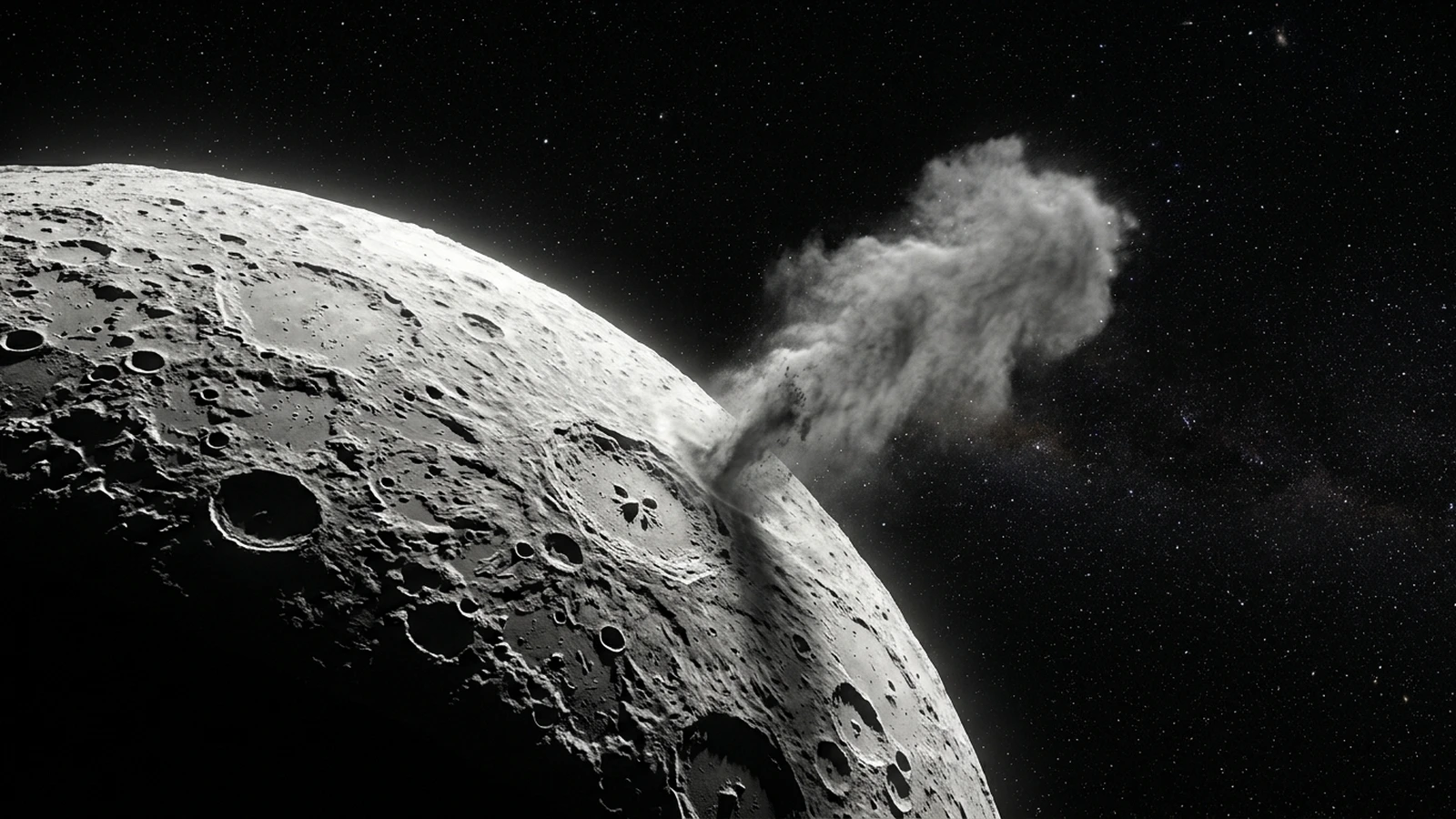
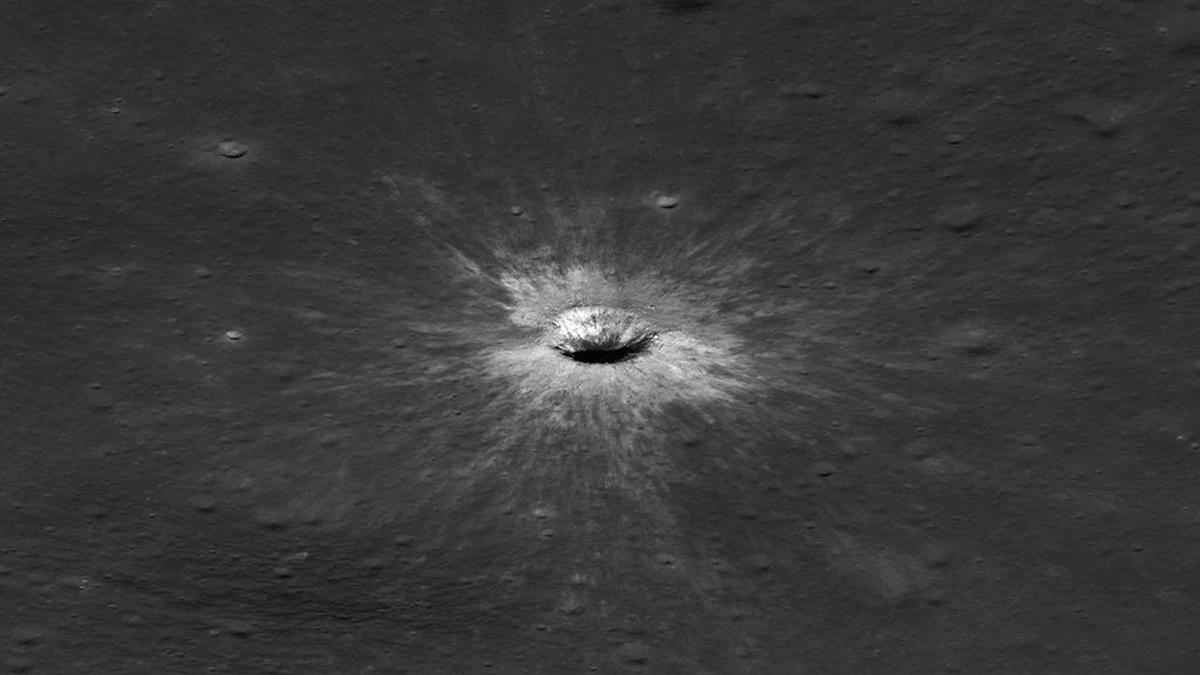
There is a new crater on the Moon, and it is a big one. McGetchin crater is 222 metres across and 43 metres deep, and it formed sometime between 11 April and 22 May 2024 when a lump of asteroid or comet hit the eastern part of the side we see from Earth. Nobody noticed. Not the telescopes that watch the Moon for impact flashes, not the spacecraft orbiting it, and not the scientists who process its pictures. It sat there for 17 months before anyone spotted it.
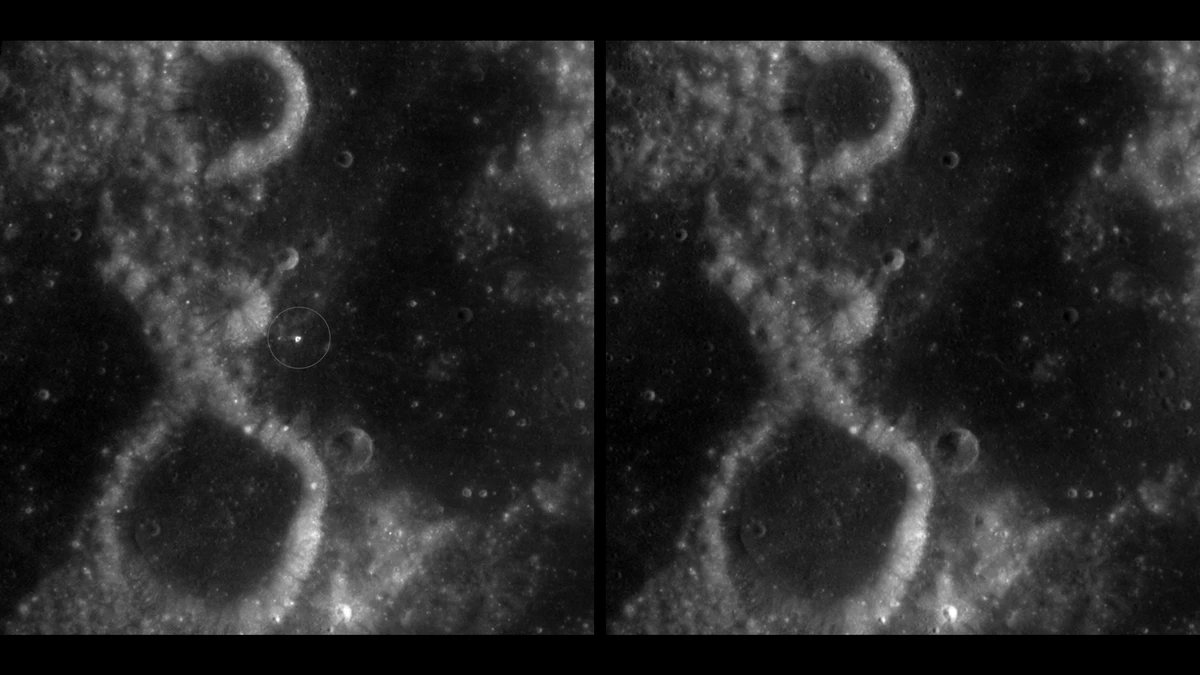
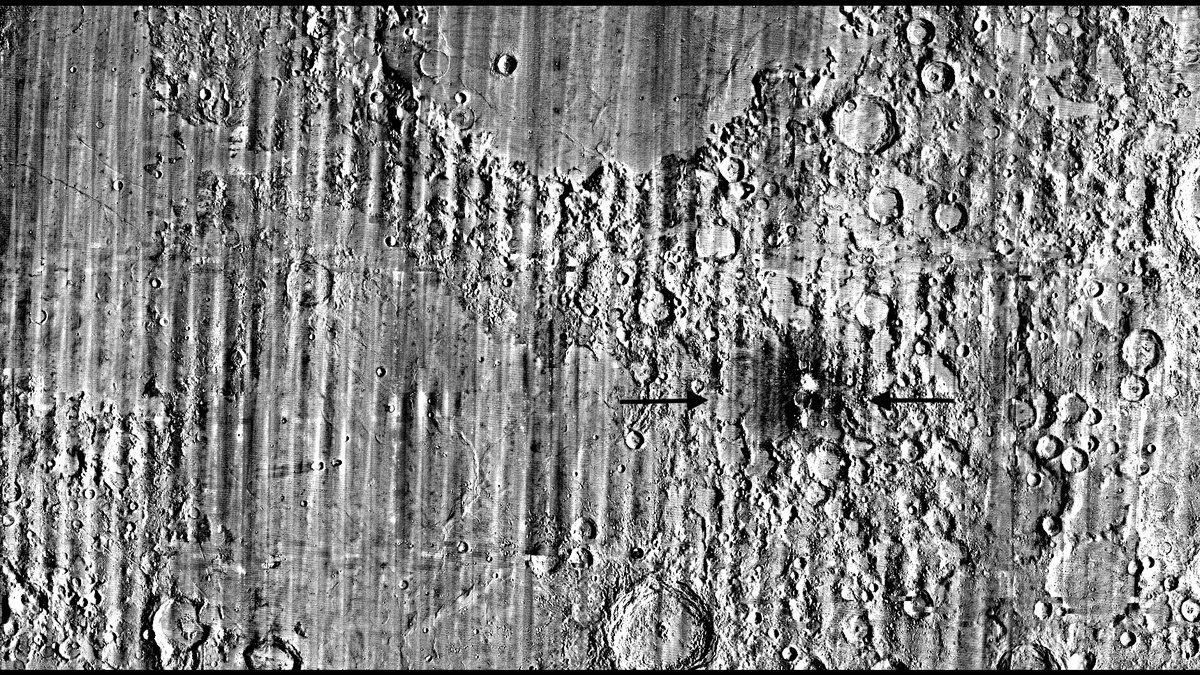
The person who did was Robert Wagner, an image-processing specialist who works on the camera system aboard NASA's Lunar Reconnaissance Orbiter (LRO). On 24 October 2025 he was doing a routine quality check on a huge stitched map of the Moon, built by layering hundreds of wide-angle images taken years apart and highlighting anything that had changed. Most of what shows up is noise. This time a bright spot with a dark halo around it jumped out. "I just stopped, dropped everything, and started looking into what that spot was," he told NASA.
Two papers published in Science Advances on 16 September 2026 confirm what he had found: the largest crater ever seen to form anywhere in the solar system while humans have been watching. It is three times the size of the previous record-holder, which LRO found a decade ago. The International Astronomical Union has named it after Tom McGetchin, a volcanologist and lunar scientist who ran the Lunar and Planetary Institute in Houston from 1977.
How Big Is McGetchin Crater?
McGetchin crater is about 222 metres wide (728 feet) and up to 43 metres deep (141 feet). Put another way, it is wider than the Colosseum in Rome and deep enough to swallow a 12-storey building. NASA's own comparison is two American football fields laid end to end, with three school buses stacked on top of each other inside.
The object that made it was somewhere between the size of a three-storey and a six-storey building, according to the LRO team. Because the Moon has no atmosphere, nothing slowed it down. It hit at full speed and the energy went straight into the ground.
The crater is only part of the damage. LRO's close-up camera, which sees details about a metre across, photographed the site on 5 December 2025 and again from an angle on 3 March 2026. Those images show bright rays of ejected soil fanning out in every direction, and the disturbance stretches more than 100 kilometres from the impact point. A second instrument found the ground had changed in a way you cannot see in ordinary pictures at all, which we will come to below.
For a sense of scale, the SpaceX rocket stage that hit the Moon in August was expected to leave a crater 17 to 30 metres wide. McGetchin is roughly ten times that width and carved out by a natural rock, not a piece of space junk.
When Did the Impact Happen, and Why Did Nobody See It?
The impact happened between 11 April and 22 May 2024. Those are simply the dates of the last LRO picture without the crater and the first with it. The exact day is unknown, because no one on Earth saw the flash.
That is more surprising than it sounds. Several observatories keep cameras trained on the dark part of the Moon specifically to catch impact flashes, and they record dozens of small ones each year. But a flash only shows up on the night side of the Moon, in the part that is above the horizon, in clear weather, while somebody is recording. An impact on the eastern limb in the six weeks around a New Moon could easily fall through all of those gaps at once. It did.
The pictures did not give it up easily either. LRO's wide-angle camera photographs the whole Moon at a resolution where each pixel is about the size of a football pitch, and the team only builds a fresh change-detection map every few years. The 2024 impact was sitting in the data from the moment it happened. It just took until October 2025 for anyone to build the map that would show it, and then a further five months of close-up imaging before the team was sure.
If that sounds like the Moon being watched less closely than you thought, it is. The asteroid that hit Earth with seven hours' warning earlier this month was only the 13th impactor we have ever seen coming. Rocks the size of a building arrive at the Moon far more often than that, and almost all of them arrive unannounced.
You can't see McGetchin, but you can see the craters around it
Kit we've tested and reviewed in full
The new crater sits on the Moon's eastern edge near Mare Crisium, which is lit from a few days after New Moon right through to just after Full. The big craters and dark plains in that region show well in any of these. Our 2026 Moon calendar lists the best nights to look.
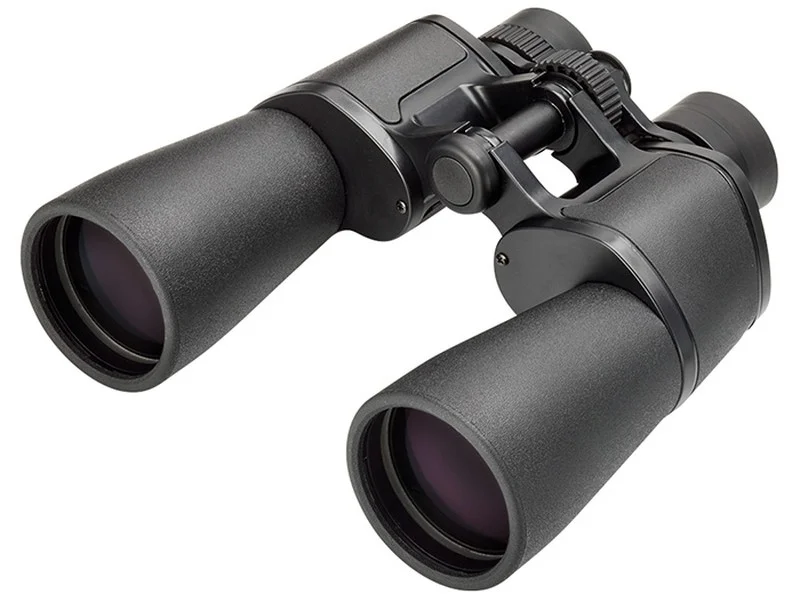
Steady 10× views show Mare Crisium as a dark oval near the eastern edge, with the bright highlands where McGetchin now sits just to its south.
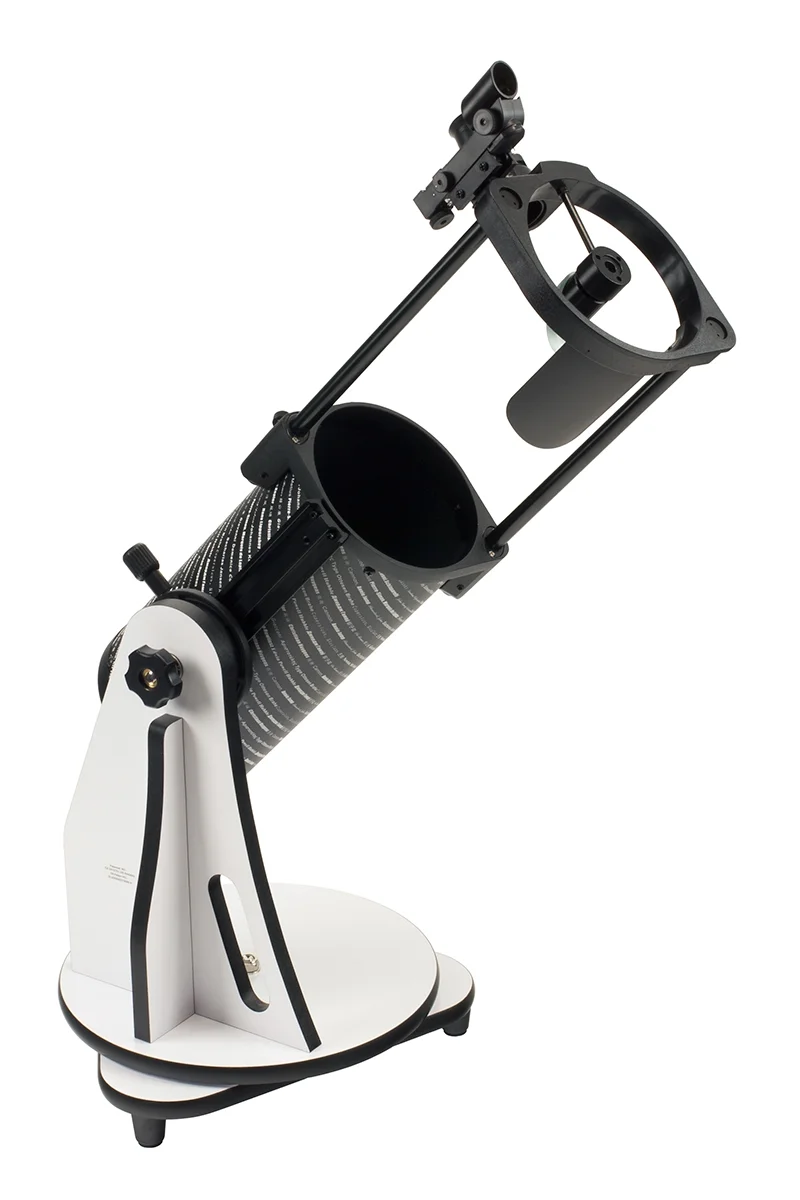
Enough aperture to resolve craters a couple of kilometres wide along the day/night line, ten times the size of the new one.
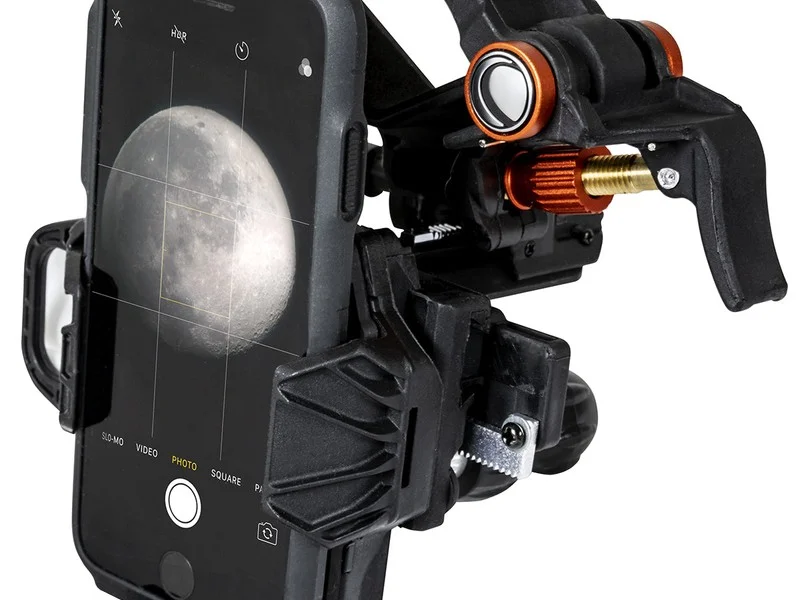
Celestron NexYZ Smartphone Adapter
Clamps your phone over the eyepiece so you can capture the Moon's eastern edge without the wobble.
Affiliate links: you pay the same price, we earn a small commission that helps keep WatchTheStars free.
Can You See the New Moon Crater With a Telescope?
No, and it is not close. From Earth, a 222-metre crater at the Moon's distance of about 384,000 kilometres covers roughly 0.12 arcseconds of sky. A very good 200 mm telescope on a rare night of perfectly steady air can resolve about 0.6 arcseconds. Realistically, from a UK back garden, you are doing well to separate details 1 to 2 kilometres across on the Moon. McGetchin is five to ten times too small for that, and professional observatories on the ground cannot see it either. It is a target for orbiters only.
The bright rays of ejected soil reach further, more than 100 kilometres from the crater, and in principle a patch that size is visible from Earth. But fresh rays are thin, faint and low in contrast against ground that is already bright, and nobody has reported spotting them. That is the whole reason the impact went unnoticed for so long.
Our guide to telescope magnification explains why aperture, not eyepiece power, sets the limit on what you can resolve. The short version is that no amount of zoom will turn a 0.12-arcsecond crater into something you can see.
What you can do is look at the neighbourhood. McGetchin sits at about 1.4°N, 67°E, on the eastern part of the near side, just outside the dark oval of Mare Crisium and a short way east of the small plain called Mare Spumans. That region is easy to find and lit for most of the month, which we come to at the end.
The Cold Spot Around the Crater, and the Apollo Footprints
The second Science Advances paper is the one with the surprise in it. LRO carries a thermal instrument called Diviner that measures the temperature of the Moon's surface. When the Diviner team pointed it at the new crater between November 2025 and February 2026, they found a patch about 6 to 7 kilometres wide around McGetchin that is roughly 9°C colder at night than the ground beyond it.
The impact did not cool the Moon down. What it did was fluff up the soil. Lunar soil, or regolith, is a compacted powder, and the shockwave from the impact loosened it across an area far larger than the crater. Loose, less dense soil holds heat less well, so it cools faster after sunset. David Paige of UCLA, one of the authors, compares it to gardening: impacts turn the soil over and bring buried material to the top.
That has a consequence for the most famous footprints in history. The LRO team's tally of new craters suggests the Moon's top two centimetres of soil are churned over by ejected material roughly every 80,000 years, faster than earlier estimates. Mark Robinson, chief scientist for LRO's cameras and lead author of the first paper, told the Associated Press that the Apollo astronauts' bootprints will "definitely be long gone in that time frame." Not forever, then. Just a very long time.
The bigger picture is that the Moon is a busier place than the still, dead world it looks like from Earth. Since 2009, LRO has identified at least 1,000 new impact craters and more than 100,000 other surface changes. The Moon gains around 140 new craters at least 10 metres across every year. Impacts as large as McGetchin are rare, about one a century, which is why the team calls this a once-in-a-lifetime observation. Samples from the far side have already rewritten the Moon's early impact history this year. This is the modern chapter.
What a New Crater Means for Moon Bases
NASA is planning a permanent base near the Moon's south pole, and China is working towards its own. A once-a-century impact is not something you design a base around. The soil thrown out by one is a different matter.
McGetchin flung debris across more than 100 kilometres. Any structure inside that circle would have been peppered with rock and dust travelling at high speed. Robinson said the next step is to calculate the risk of ejected crater material striking a lunar base, so that engineers can harden structures accordingly. The same data feeds into the risk from the far more frequent small impacts, since each of those throws material out too, just over a smaller area.
The cold-spot finding matters for a different reason. If a large impact loosens the soil across several kilometres, that changes how rover wheels grip, how landing pads behave, and how well buried habitats hold their temperature. Our NASA Moon base update covers where those plans stand.
Where the New Crater Is on the Moon (and What You Can See Instead)
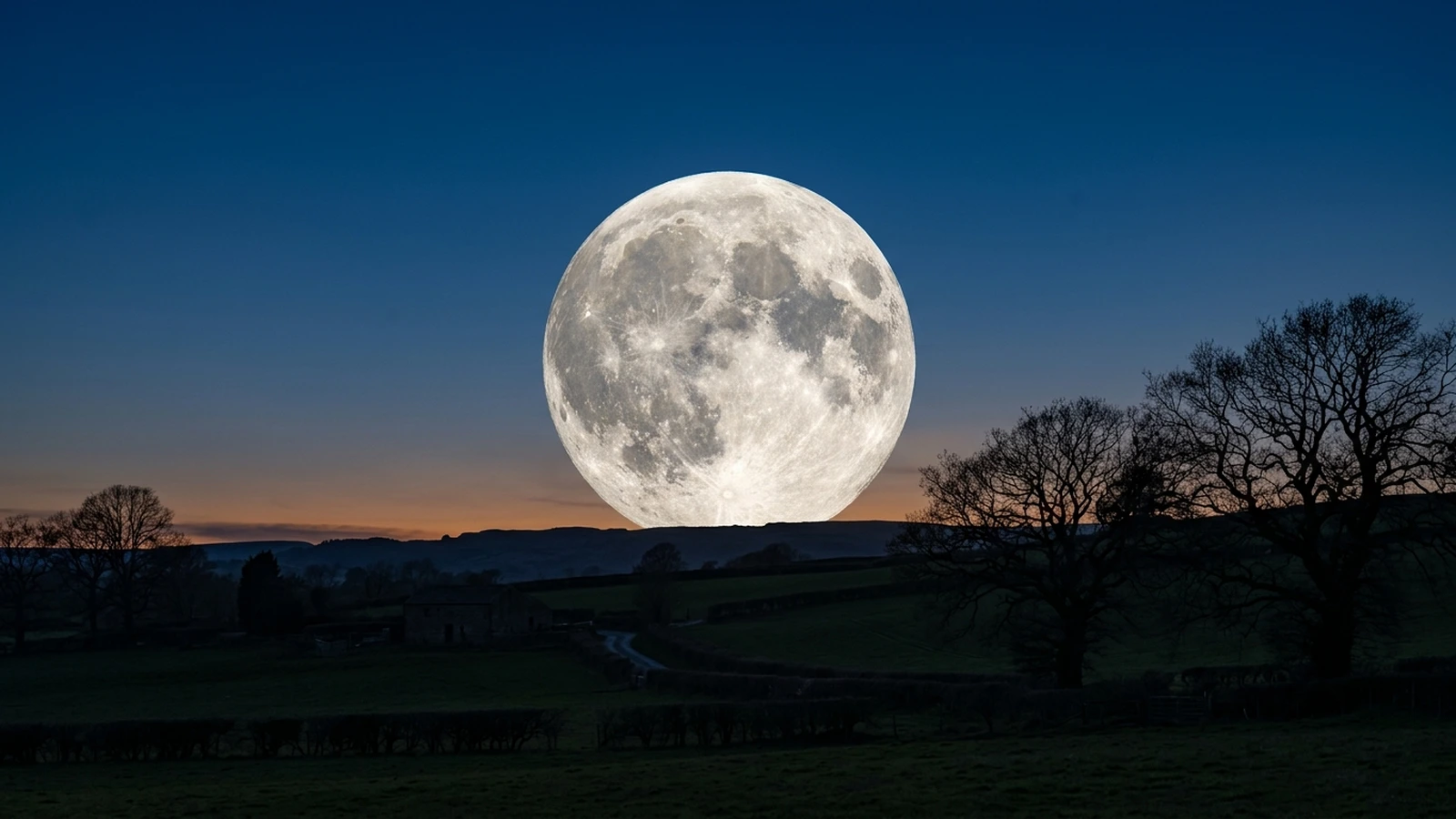
You will not see McGetchin, but you can point binoculars at the right part of the Moon and know that somewhere in the view is a hole that did not exist three years ago.
Find Mare Crisium first. It is the isolated dark oval near the Moon's eastern (right-hand, as seen from the UK with the naked eye or binoculars) edge, one of the easiest features on the whole disc. McGetchin lies to its south, on the bright highland ground between Crisium and the smaller dark patches of Mare Fecunditatis and Mare Spumans. In a small telescope, look for the crater Dubyago, a 48-kilometre bowl on that same stretch of ground. McGetchin is about 120 kilometres to its south-west, and invisible.
Because the eastern edge of the Moon is the first part to be lit after New Moon, this region is in sunlight from about three days after New right through to a day or two after Full. This week the Moon reaches First Quarter on Friday 18 September at 21:43 BST, and Saturday 19 September is International Observe the Moon Night, so the timing is good. The catch is height. From central England the Moon is only about 8 degrees above the southern horizon at 19:00 BST on Friday and sets before 22:00; on Saturday it is 9 degrees up due south at 19:45 and sets just before 23:00. Edinburgh gets 4 to 6 degrees, so pick a spot with a clear southern view. Our UK night sky this week guide has the full run-down, and is it a full moon tonight will tell you the phase on any night you fancy a look.
If you have never pointed a telescope at the Moon before, our guide on how to use a telescope covers the basics, and how to photograph the Moon will get you a decent shot of Crisium with a phone. The eastern limb is also where the Moon's wobble, or libration, shows best: over a couple of weeks Mare Crisium visibly slides towards and away from the edge as the Moon tilts. McGetchin goes with it, unseen.
Sources:
- NASA's Moon Orbiter Spots New, 'Once-in-Century' Moon Crater — NASA Science, 16 September 2026
- NASA spacecraft discovers a huge new crater on the moon — Associated Press, 16 September 2026
- NASA's Lunar Reconnaissance Orbiter Discovers a New 222-m Diameter Lunar Crater — USRA / Lunar and Planetary Institute
- Robinson et al., Science Advances and Diviner cold spot paper, 16 September 2026
Frequently Asked Questions
Equipment guides
Related topics
Ian ClaytonAmateur astronomer and founder of WatchTheStars.co.uk, dedicated to helping others explore the wonders of our universe. Full profile →