Key takeaways
- Isar Aerospace's Spectrum rocket lifted off from Andøya Spaceport in Norway at 21:12 UK time on 5 September 2026 and reached orbit a little over seven minutes later.
- Spectrum is the first rocket ever to reach orbit from Western European soil. Europe's Ariane and Vega rockets fly from French Guiana in South America.
- The 28-metre rocket released five small satellites built by university and commercial teams in Germany, Slovenia, Austria, Norway and Bulgaria.
- The UK's own first orbital launch, RFA One from SaxaVord in Shetland, is on hold after a pad-test problem in July. No new date has been set.
Jump to section 6 sections
At 21:12 UK time on Friday 5 September, a slim white rocket lifted off from an island above the Arctic Circle and, a little over seven minutes later, released five small satellites into orbit. That rocket was Spectrum, built by the German company Isar Aerospace, and it has just done something no rocket has managed before: reach orbit from Western European soil.
It is a big deal for European spaceflight, and it lands at an awkward moment for the UK. Britain's own first orbital launch, from SaxaVord Spaceport in Shetland, was meant to happen around now. It is currently on hold. More on that below.
Isar Aerospace Launch: What Happened on 5 September
The mission, named "Onward and Upward", left Isar Aerospace's launch pad at Andøya Spaceport in northern Norway at 10:12pm local time. The launch window had opened at 9pm UK time, and the rocket went on the first attempt of the evening.
Everything that had to work, worked. The nine first-stage engines pushed Spectrum through the period of maximum aerodynamic stress, shut down on time, and the first stage fell away. The single upper-stage engine lit, the nose cone split and dropped off, and the rocket crossed the 100 km Kármán line into space. That was only the halfway point. Reaching space is easy compared with staying there. To orbit, a rocket needs enough sideways speed to keep falling around the Earth rather than back onto it, roughly 17,500 mph.
Isar says Spectrum got there, fired its engine again to round off the orbit, and then released its passengers. The company is now working with the satellite owners to confirm each one is alive and talking to the ground.
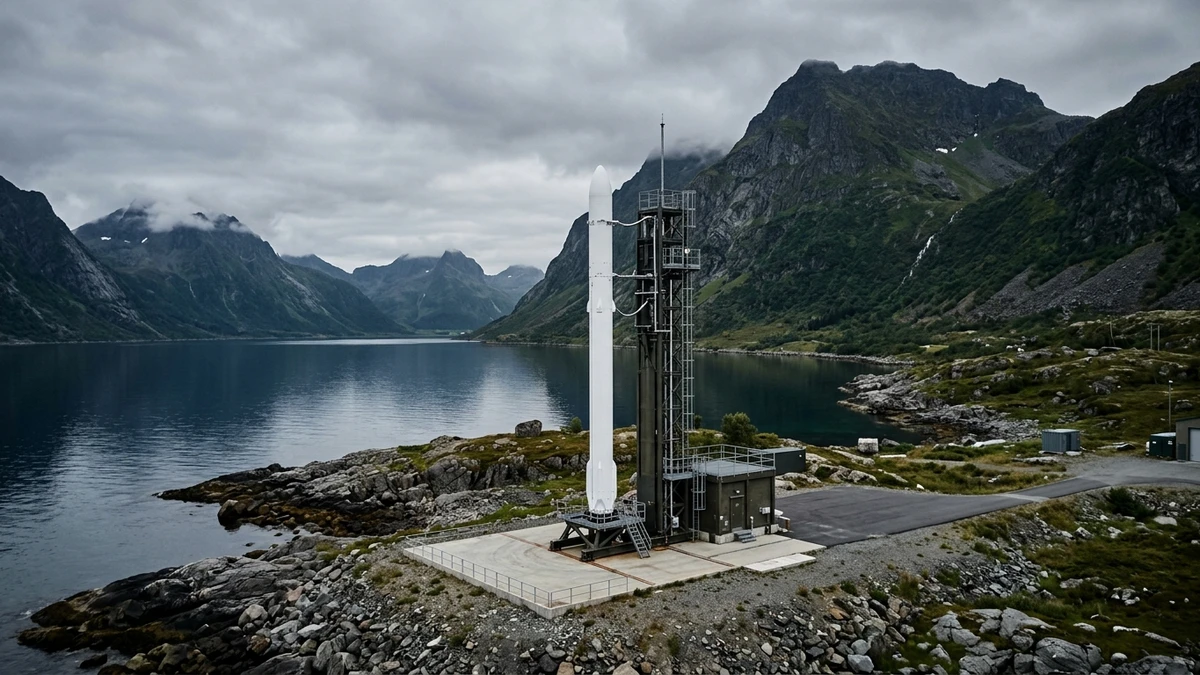
It was only Spectrum's second flight. The first, in March 2025, lasted about 30 seconds. A vent valve opened when it shouldn't have, the rocket started to roll and lost control, and the range safety system shut it down. It fell into the sea. Isar had said beforehand that it didn't expect to reach orbit on a debut, but the pictures of a burning rocket tumbling into a fjord still made the news around the world.
Seventeen months of fixes, tests and scrubs followed. The second flight was originally pencilled in for January. A valve problem pushed it to March, then bad weather and a boat straying into the danger zone cost more attempts, an April try was stopped by a leak in a pressure tank, and a June attempt was called off over odd behaviour in the fuel system. Friday was the first attempt since then, and it went all the way.
Spectrum Rocket: How Big Is It and What Did It Carry?
Spectrum is a small rocket by modern standards. It stands 28 metres tall and 2 metres across, which makes it a bit shorter than a Falcon 9's first stage alone. It burns liquid propane with liquid oxygen, an unusual choice, and can carry up to 1,000 kg to low Earth orbit or 700 kg to a Sun-synchronous polar orbit. Nothing about it is reusable. The whole thing is thrown away after each flight, so the business case depends on building lots of them cheaply.
Friday's cargo was five CubeSats, the shoebox-sized satellites that universities and startups use because they're cheap to build and cheap to launch. They came from TU Berlin, the University of Maribor in Slovenia, the TU Wien Space Team in Austria, the Norwegian University of Science and Technology, and the Bulgarian company EnduroSat. A sixth experiment from German firm Dcubed stayed attached to the rocket's upper stage. All were selected through the German Space Agency's Microlauncher Competition and the flight was backed by ESA's Boost! programme.
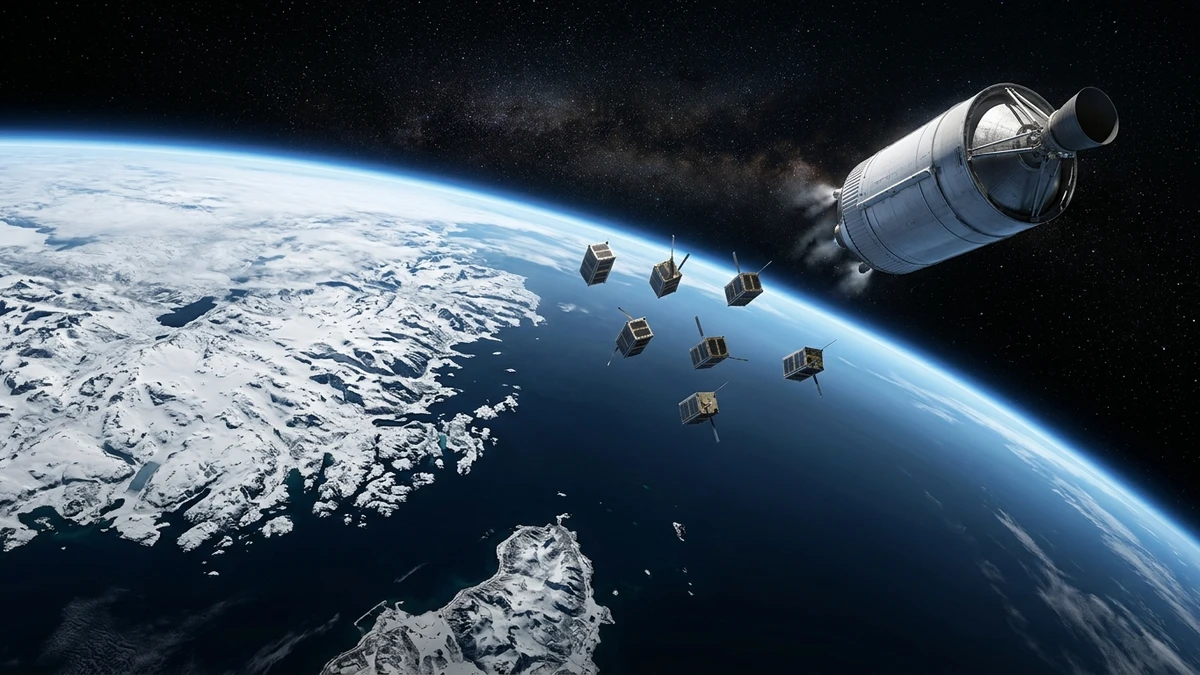
Will you see any of them from the UK? Sadly, no. A CubeSat is far too small and dim to spot with the naked eye. The bigger satellites and stations are a different story: check ISS passes tonight for the next bright one over your house. Once you know when to look, the trick to catching it is simple, and we've written it up in our guide to how to spot the ISS.
Spot Satellites From Your Garden
Kit we've tested and reviewed in full
Five more satellites went up on Friday, and the sky is filling up. Most are too small to see, but the ISS, Tiangong and Starlink trains are easy from any UK garden. Here's how to catch a pass.
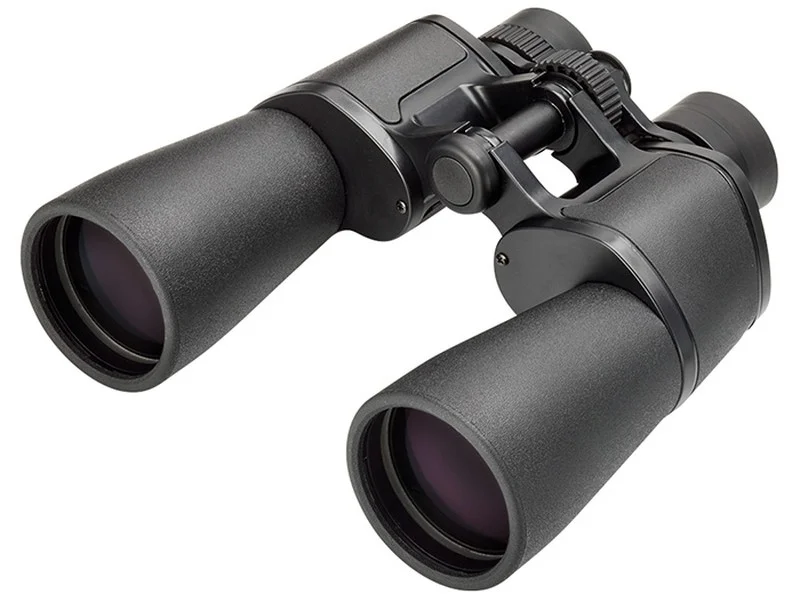
Wide, steady views that make following a satellite across the sky much easier than you'd expect.
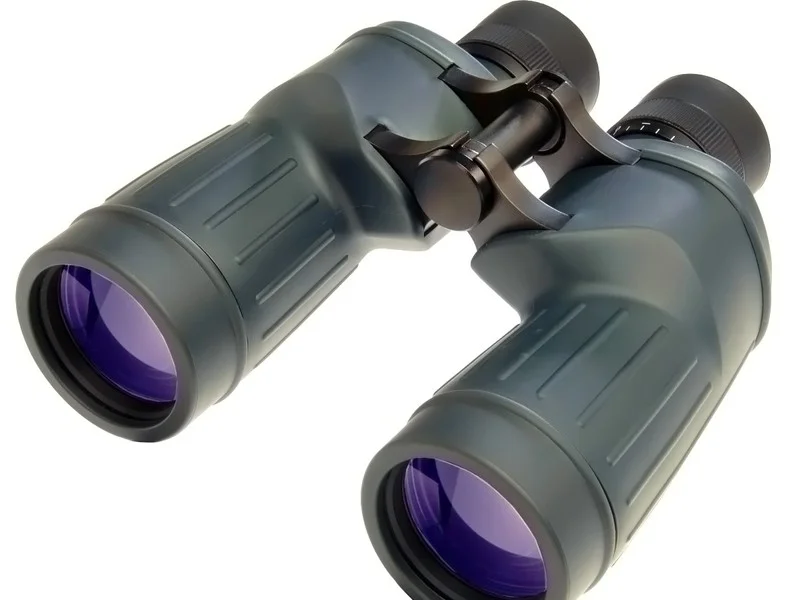
Sharper glass and better build for the same 10x50 view. A binocular you'll keep for decades.
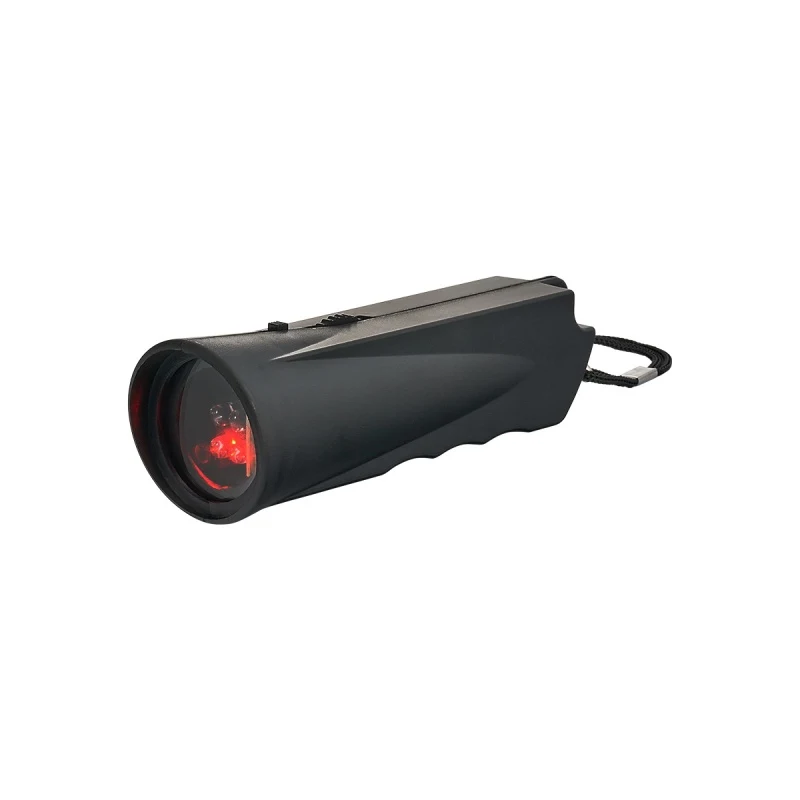
Astro Essentials Red Light Torch
Check pass times without wrecking your dark adaptation before the ISS appears.
Affiliate links: you pay the same price, we earn a small commission that helps keep WatchTheStars free.
First Orbital Launch From Europe? Why It Needs an Asterisk
Europe has been launching rockets for nearly 50 years, so "first orbital launch from Europe" needs some care. The Ariane family has flown since 1979 and Vega since 2012, but both leave from the Guiana Space Centre in Kourou, French Guiana. That's legally part of France and the EU, but it sits on the north-east coast of South America, next to Brazil. It's used because the equator gives eastbound rockets a free speed boost from the Earth's spin.
Britain got a satellite into orbit on its own rocket, Black Arrow, in 1971. It launched from Woomera in the Australian outback. Virgin Orbit tried to launch from Cornwall in January 2023, with a rocket dropped from under the wing of a converted 747, but the rocket failed after release and never reached orbit. And Russia has launched from Plesetsk, north of Moscow, hundreds of times. Plesetsk is geographically in Europe, which is why the careful wording is "Western Europe" or "Europe outside Russia".
Within those limits the claim is solid. No rocket had ever reached orbit from Western European territory until Friday night. ESA's director of space transportation, Toni Tolker-Nielsen, had said before the flight that whatever happened, it would make Europe's launch market "more diverse and resilient". It happened to go rather better than that.
Andøya Spaceport: Why Launch From the Arctic?
Andøya is an island off the coast of northern Norway at 69° north, roughly 1,000 miles north-east of Shetland. It's had a sounding-rocket range since the 1960s, but the orbital spaceport only opened in 2023, with Isar as its first tenant.
Launching from so far north sounds like a handicap, and for some missions it is. A rocket heading east from Andøya gets very little help from the Earth's rotation compared with one leaving Kourou. But a great many satellites don't want an eastbound orbit at all. Weather satellites, Earth-observation cameras and military reconnaissance craft need polar orbits, where the satellite loops from pole to pole while the Earth turns underneath, so it sees the whole planet every day. For those, a northern site with open ocean to the north is ideal. The rocket flies out over the Norwegian Sea with nothing but water beneath it.
There's a bonus for anyone who visits. Andøya is directly under the auroral oval, and the same latitude that makes it a good spaceport makes it one of the best places on Earth to see the northern lights. September to March is the season. If you can't get to Norway, our UK aurora forecast will tell you when the lights are likely to reach Britain, and our guide to how to see the northern lights in the UK covers where to stand and what to expect.
UK Spaceports: When Will SaxaVord Launch?
This is where the story gets a little painful from a British point of view. SaxaVord Spaceport, on the island of Unst at the very top of Shetland, is the UK's answer to Andøya. It's a licensed vertical launch site, it has the same polar-orbit advantages, and its first customer, Rocket Factory Augsburg, is a German startup competing directly with Isar Aerospace.
RFA's rocket, RFA One, was on the pad at SaxaVord this summer with a launch expected in August or September. Then, on 28 July, the company announced it had found "an issue with the vehicle that requires further investigation" during pad testing. The rocket was taken apart, and as of this weekend RFA hasn't given a new date. This is the same company that lost a first stage in a fire during a test at SaxaVord in August 2024, so they will be taking their time.
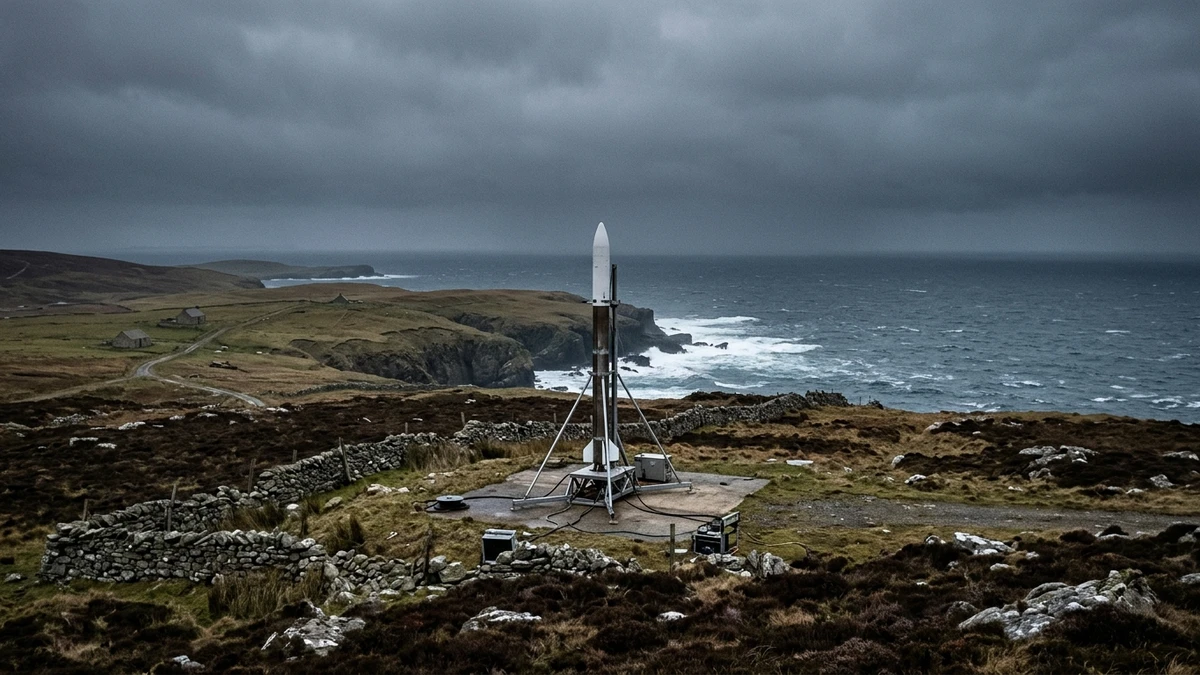
None of that is unusual. Isar needed 17 months and half a dozen scrubs between its first flight and its second. New rockets almost always slip. But the race to be first in Western Europe has now been run, and SaxaVord will have to settle for being first in the UK. Given that Unst also happens to be one of the darkest places in Britain (it's on our UK dark sky sites map), a launch there on a clear autumn night is going to be quite something when it finally happens.
What Happens Next for Isar Aerospace?
One successful flight proves the rocket works. It doesn't prove it works reliably, and it doesn't prove Isar can fly often enough to make money. That's the next test. The company says Spectrum rockets three to seven are already being built, and its new factory near Munich is designed to turn out up to 40 a year eventually. It's also building a second launch site in Nova Scotia, Canada, and has a contract to launch two Norwegian ocean-surveillance satellites by 2028.
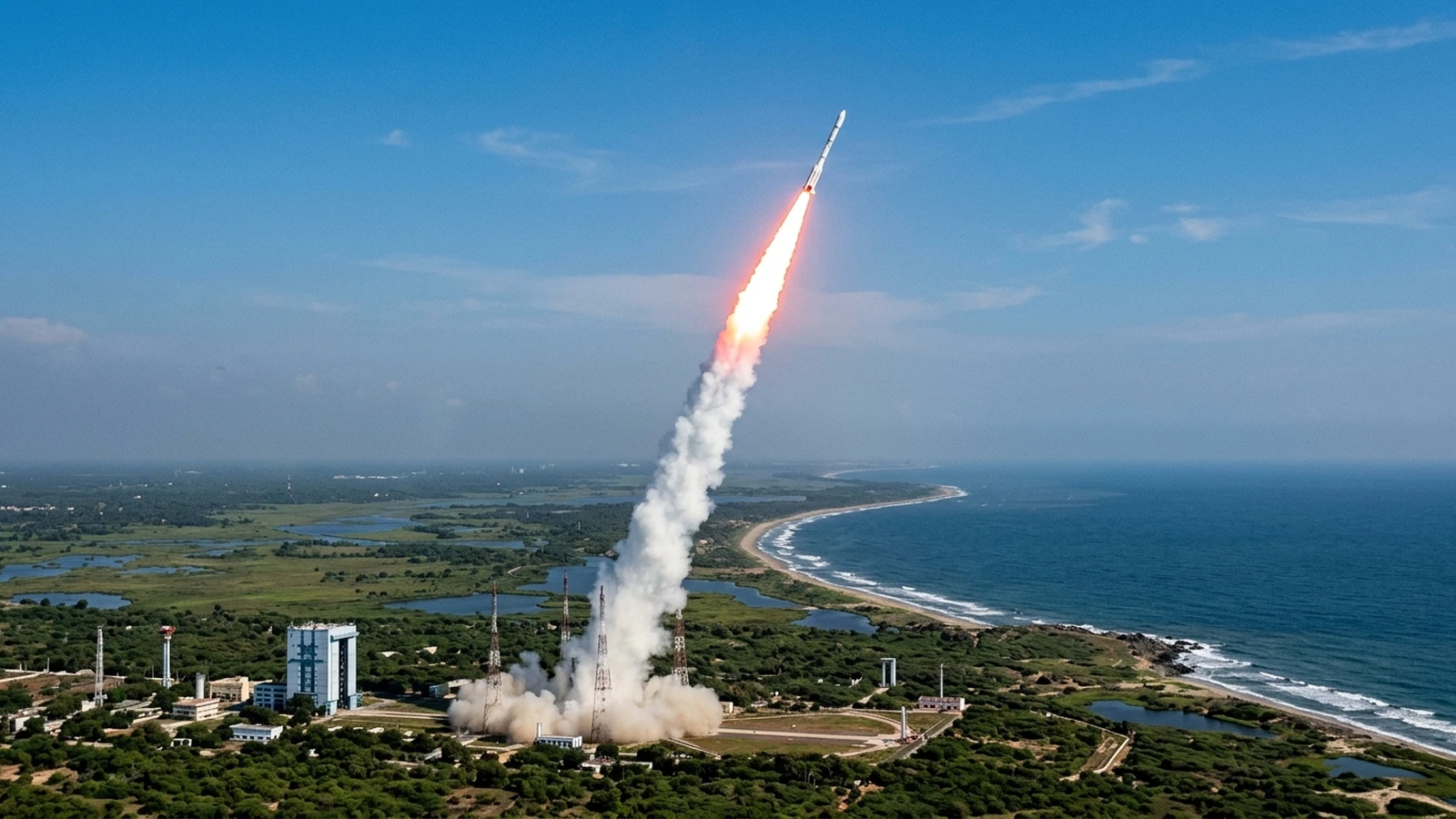
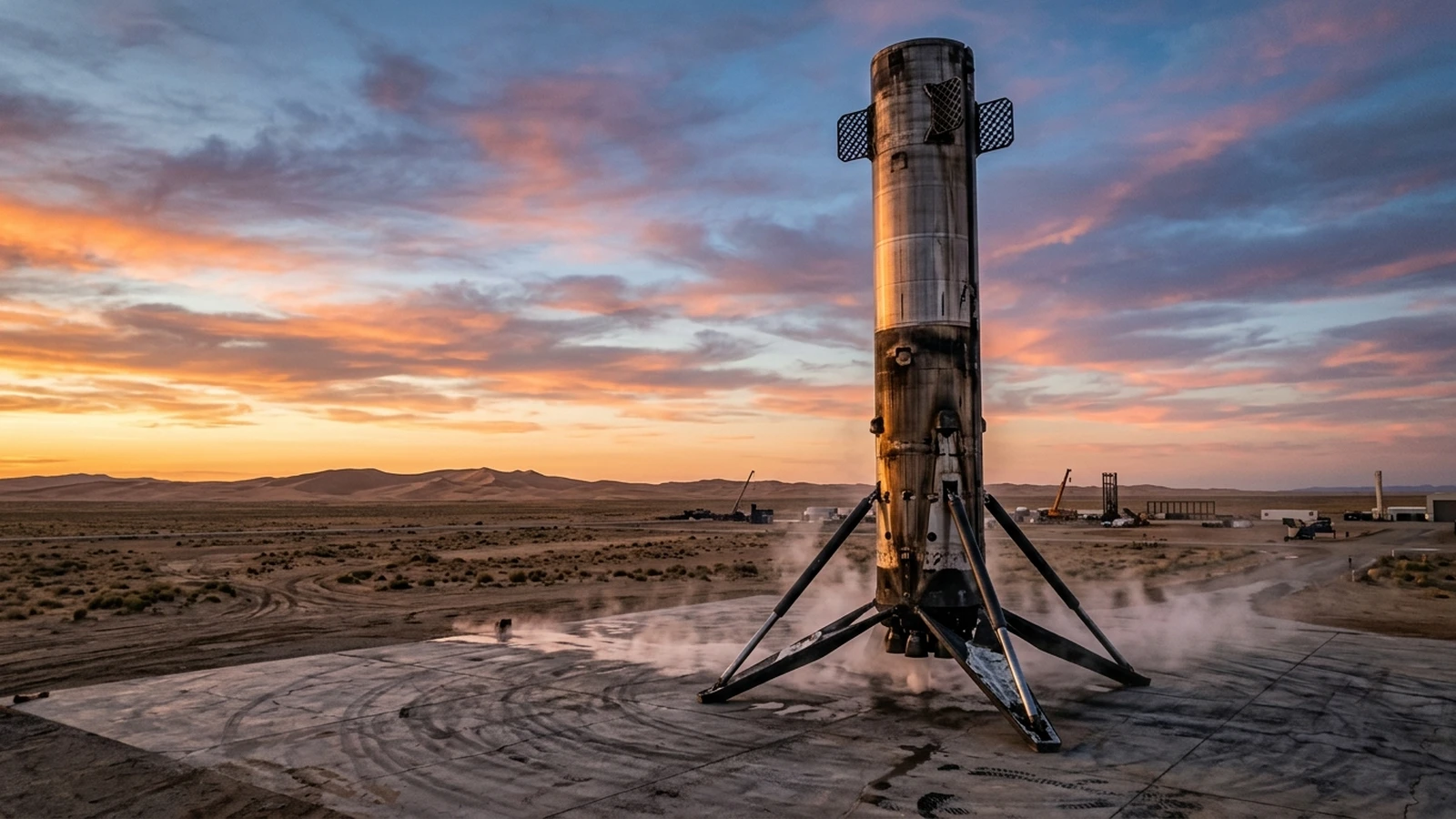
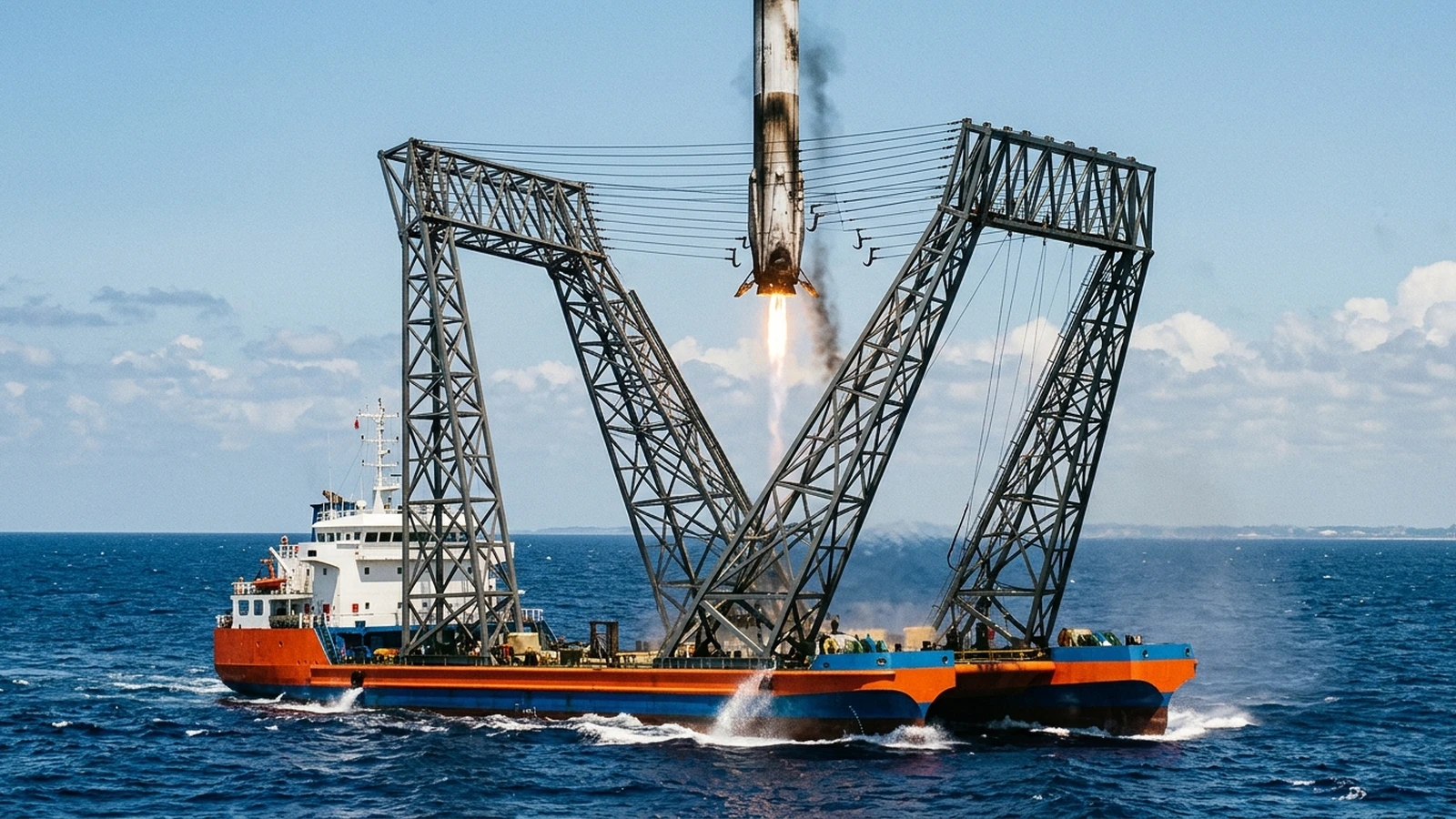
It's part of a wider shift. In the past three months alone, India's first private rocket reached orbit, China caught a booster in a net at sea, and a private Chinese company landed one on legs. Last weekend a Falcon Heavy sent NASA's Roman Space Telescope on its way. Launch is stopping being something only a few governments and SpaceX can do.
For those of us watching from the UK, the practical result is more hardware crossing the sky every month. Next clear evening, check what you can see in the sky tonight before you go out. The odds of something man-made drifting through your view have never been better.
Sources:
- History for European spaceflight: Isar Aerospace reaches orbit and deploys payloads on second flight · Isar Aerospace
- Watch Isar Aerospace try to make history today with launch from Norway · Space.com
- Spectrum liftoff to orbit · ESA
- Isar Aerospace's Spectrum reaches orbit from Arctic Norway · Space Daily
- Rocket issue delays 1st orbital rocket launch from the UK · Space.com
Frequently Asked Questions
Equipment guides
Related topics
Ian ClaytonAmateur astronomer and founder of WatchTheStars.co.uk, dedicated to helping others explore the wonders of our universe. Full profile →