Key takeaways
- Five free tools went live on WatchTheStars this week: Aurora Forecast UK, ISS Passes Tonight, Moon Phase Tonight, a UK dark sky finder and live 'tonight' tiles on the homepage
- Type in a postcode once and the homepage shows cloud, Moon, aurora, next ISS pass and your nearest dark sky site for your area, every time you visit
- The aurora tool pulls live NOAA and AuroraWatch UK data and gives a plain verdict, region by region, plus a three-day Kp chart
- The ISS tool predicts every visible pass for the next seven days from your postcode, with direction, height and how bright it will be
- Also new: a Seestar S50 vs Dwarf 3 smart telescope comparison and an eclipse glasses guide ahead of the 2027 eclipse
Jump to section 7 sections
- Aurora Forecast UK: Will You See the Northern Lights Tonight?
- ISS Passes Tonight: When the Space Station Flies Over Your House
- Moon Phase Tonight: Is the Moon Going to Spoil It?
- Dark Sky Sites Near Me: 62 UK Sites by Postcode
- Your Sky Tonight on the Homepage
- Seestar S50 vs Dwarf 3 and Eclipse Glasses: Two New Buying Guides
- What's Next
Most of the questions we get come down to the same four things. Is there any chance of the northern lights tonight? When does the space station go over? Is the Moon going to ruin it? And where's the nearest properly dark sky? This week we built a tool for each one, and they're all free.
Here's what's new, what each one does, and where to find it.
Aurora Forecast UK: Will You See the Northern Lights Tonight?
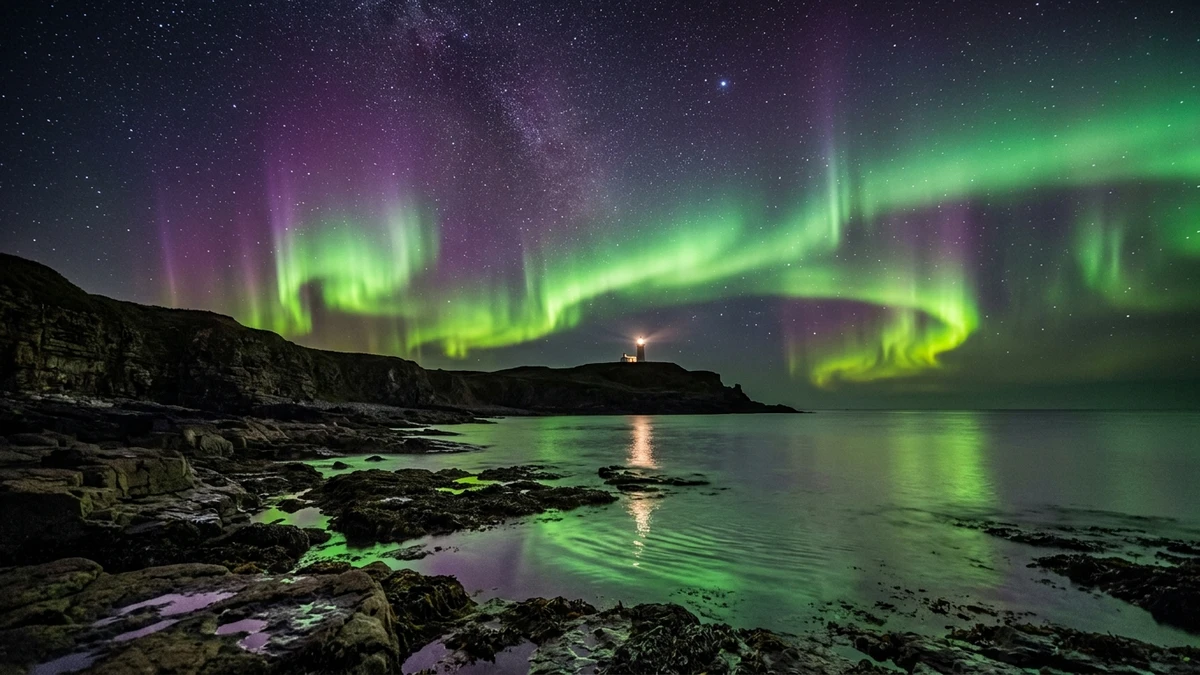
The UK aurora forecast is the one we're most pleased with. Most aurora sites throw a Kp number at you and leave you to work out what it means for Norfolk. Ours gives a verdict first: Quiet, Possible, Watch or Storm, in words, with a sentence explaining why.
Under that you get the numbers if you want them. Kp right now, the Bz reading (the bit that decides whether a storm actually connects with Earth), solar wind speed, the current AuroraWatch UK status, and the highest Kp expected in the next 24 and 72 hours. A region-by-region table runs from Shetland down to the south coast so you can see whether your part of the country has a realistic chance or none at all.
The three-day Kp chart is interactive. Hover or tap any three-hour block and it tells you the forecast for that slot, which is handy for deciding whether tonight or tomorrow is the better bet. Everything comes from NOAA's Space Weather Prediction Center and the AuroraWatch UK magnetometers run by Lancaster University, and the page refreshes itself every 10 minutes while it's open.
If you've never chased the aurora before, read our guide to how to see the northern lights in the UK first. The tool tells you when. The guide tells you how.
ISS Passes Tonight: When the Space Station Flies Over Your House
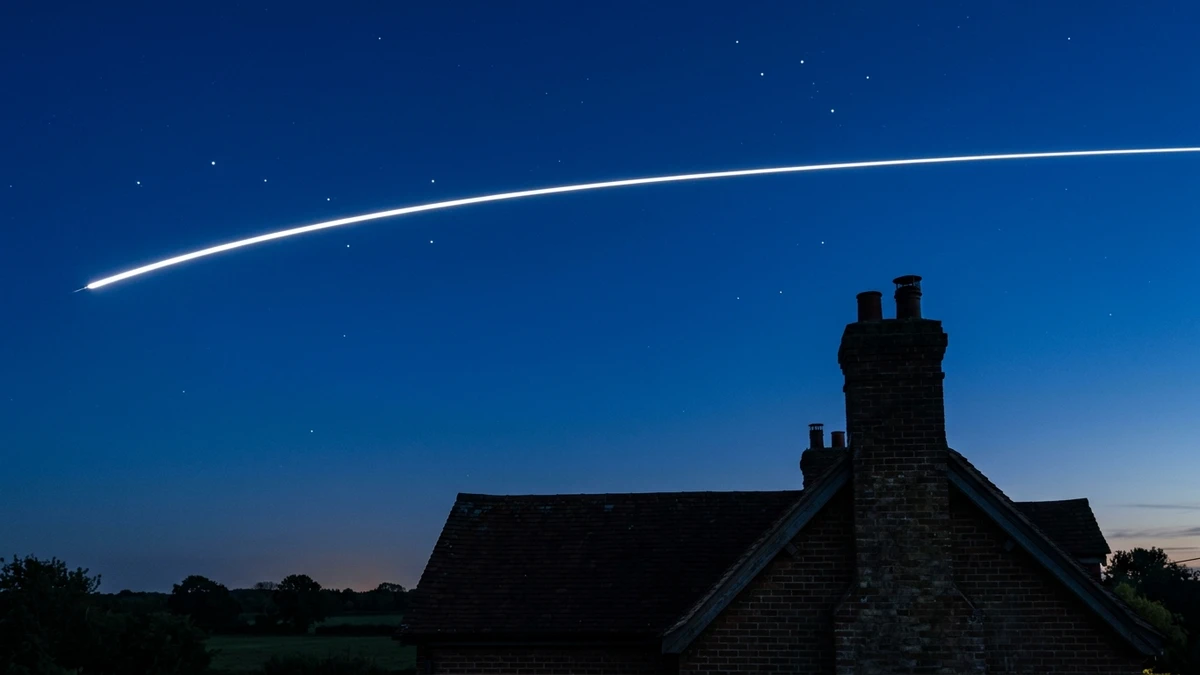
The International Space Station is the easiest satellite to see, and the most satisfying. It's brighter than any star, it doesn't blink, and it crosses the sky in about five minutes. The trick is knowing when to look.
ISS passes tonight takes your postcode, or your phone's location, and lists every visible pass for the next seven days. For each one you get the time it appears, the direction it rises from, how high it climbs, where it disappears, how long it lasts and how bright it will be, along with a simple quality rating so you can skip the low, dim ones.
The maths runs in your browser using the same orbital data NASA publishes through CelesTrak, so the predictions are accurate to within seconds. If there are no visible passes for a week, the tool says so. That happens; the station's orbit drifts in and out of our evening sky in cycles.
Our guide to spotting the ISS covers what to expect the first time, including why it sometimes vanishes mid-sky as it slips into Earth's shadow.
Moon Phase Tonight: Is the Moon Going to Spoil It?
A full Moon washes out the Milky Way, most meteor showers and every faint galaxy. A new Moon is a gift. Knowing which you've got tonight is the first thing to check before you drive anywhere.
Moon phase tonight shows the current phase as a disc built from a real photograph of the Moon, masked to the exact lit shape, with the percentage illuminated and the Moon's age in days. Tap "use my location" and it adds moonrise and moonset for your spot, because a bright Moon that sets at 11pm is no problem at all.
Below that are the next full and new Moon dates, a 12-month table with the traditional names, and a one-line verdict on what tonight's Moon means for stargazing. All of it is calculated in your browser from standard astronomical algorithms, so it works offline once loaded.
Dark Sky Sites Near Me: 62 UK Sites by Postcode
We've rebuilt the UK dark sky sites map around a postcode search. Type yours in, or use your location, and it ranks 62 sites by distance with an estimated driving time and a Bortle rating for each. Bortle is the 1 to 9 darkness scale; 1 is pristine, 9 is a city centre. Most of the sites on our list are 2 to 4, and a handful in Scotland and Wales are a 1.
The map has filters for designated parks and reserves, Discovery Sites and public observatories, with directions links in every marker. Below it there's a full directory by nation, from Northumberland and Exmoor to Galloway, Eryri and the Channel Islands, plus featured write-ups of the big reserves.
The site data comes from DarkSky International's register and our own notes. If we've missed one you know, tell us.
Your Sky Tonight on the Homepage
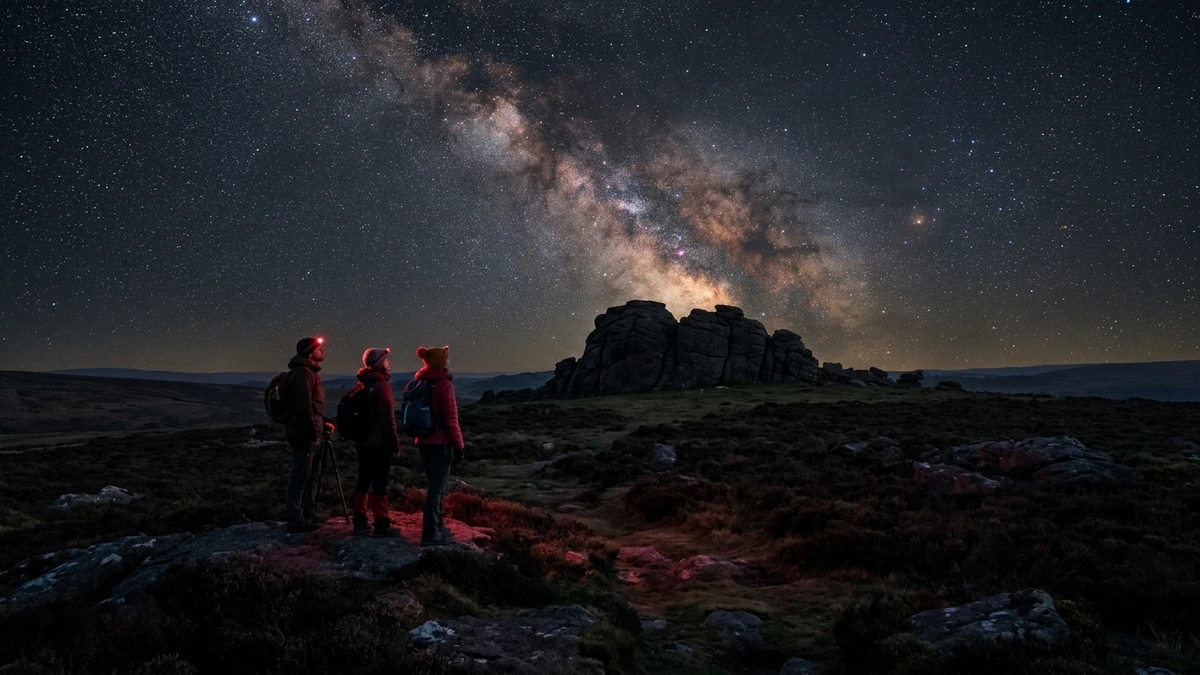
The homepage now opens with five live tiles for your area: cloud cover tonight (with the number of clear hours), Moon phase, aurora status, the next ISS pass and your nearest dark sky site. Enter a postcode once and it's saved in your browser, so the next time you visit the tiles are already set to your patch. We don't store it.
The tiles link through to the full tools, and to what you can see in the sky tonight, our sky score page that rates the night out of 10 and shows an hour-by-hour cloud strip. That one has been around a while, but it's now the hub the new tools plug into. You can sign up for a free email alert when your score hits 7 or more.
We've also rebuilt stargazing for beginners around the same idea: a five-step starting sequence with a live mini "is tonight worth it?" strip at the top, and the long-form advice tucked underneath.
Seestar S50 vs Dwarf 3 and Eclipse Glasses: Two New Buying Guides
Two written guides went up alongside the tools, both answering questions we're asked a lot.
The Seestar S50 vs Dwarf 3 comparison pits the two most popular smart telescopes against each other, category by category: nebulae, galaxies, the Moon and planets, the Sun, the apps, and price. We give a verdict for each and an overall pick. If you're weighing one up for Christmas, start there.
The eclipse glasses guide explains how to check a pair is safe (look for ISO 12312-2, and do the indoor test we describe), which viewing methods to avoid, and where to buy certified glasses in the UK. It's early, but the 2027 solar eclipse from the UK is on 2 August next year, and the good glasses sold out fast last time.
Kit that makes the tools worth using
Kit we've tested and reviewed in full
The tools tell you when to go out. This is what to take with you. Binoculars first, always. If the Seestar comparison has got you thinking, the S50 is the one we'd hand to a beginner.
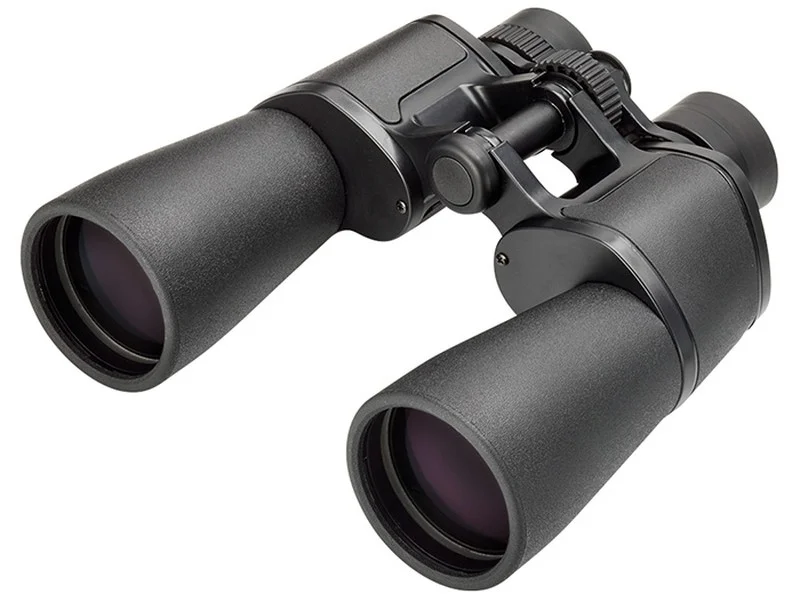
Bright, light 10x50s for scanning the Milky Way at a dark sky site or picking out the ISS as it fades into Earth's shadow.
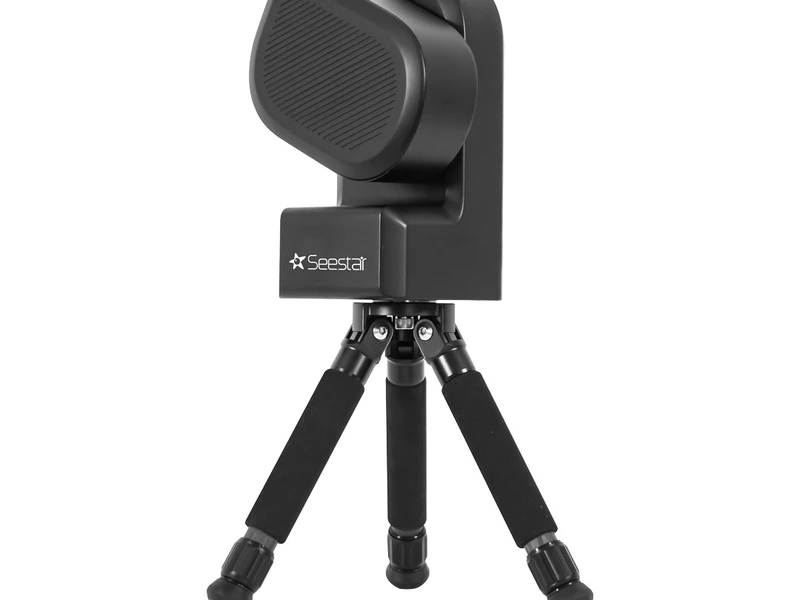
Points itself, stacks its own photos, and shows you nebulae on your phone within minutes. Our pick for a first smart telescope in the S50 vs Dwarf 3 comparison.
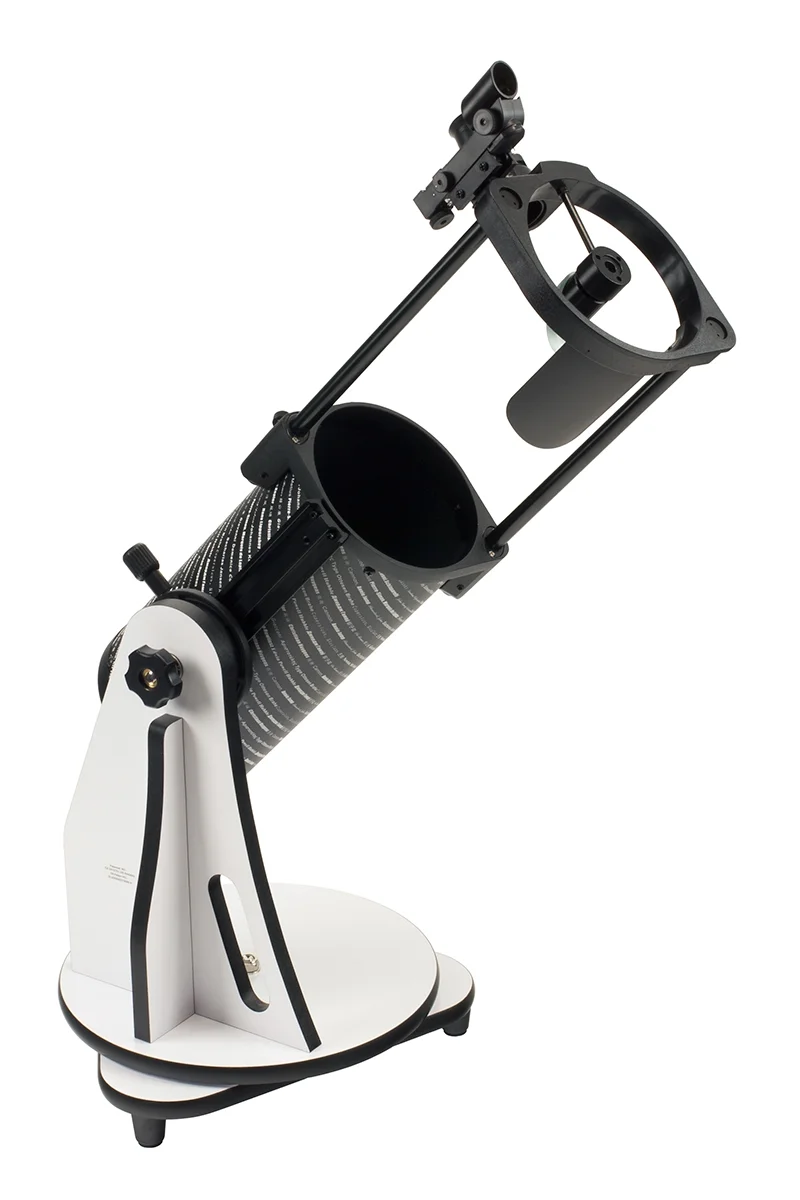
A proper 130mm mirror on a tabletop mount. Saturn's rings, Jupiter's moons and the Moon's craters, for less than a smart telescope.
Affiliate links: you pay the same price, we earn a small commission that helps keep WatchTheStars free.
What's Next
All five tools were built because readers asked for them, so keep asking. If there's something you check every clear night that we don't cover yet, reply to any of our emails or message us on Instagram and we'll see what we can build. Our next meteor shower in the UK guide is the obvious candidate for a live version.
Tonight's forecast, if you're wondering, is on the homepage. Go and have a look.
Frequently Asked Questions
Equipment guides
Related topics
Ian ClaytonAmateur astronomer and founder of WatchTheStars.co.uk, dedicated to helping others explore the wonders of our universe. Full profile →