Key takeaways
- NASA powered on the Roman Space Telescope's Coronagraph Instrument on 1 September 2026, two days after launch, in a process lasting just under an hour
- A coronagraph blocks the glare of a star so the telescope can photograph the far fainter planets orbiting it
- Roman's is the most advanced coronagraph ever flown, using masks and self-flexing mirrors to reveal planets at least 100 million times fainter than their star
- It will photograph mature, Jupiter-like planets in visible light, something no telescope has managed before
- Months of calibration come first. NASA expects Roman's first images in early 2027
Jump to section 6 sections
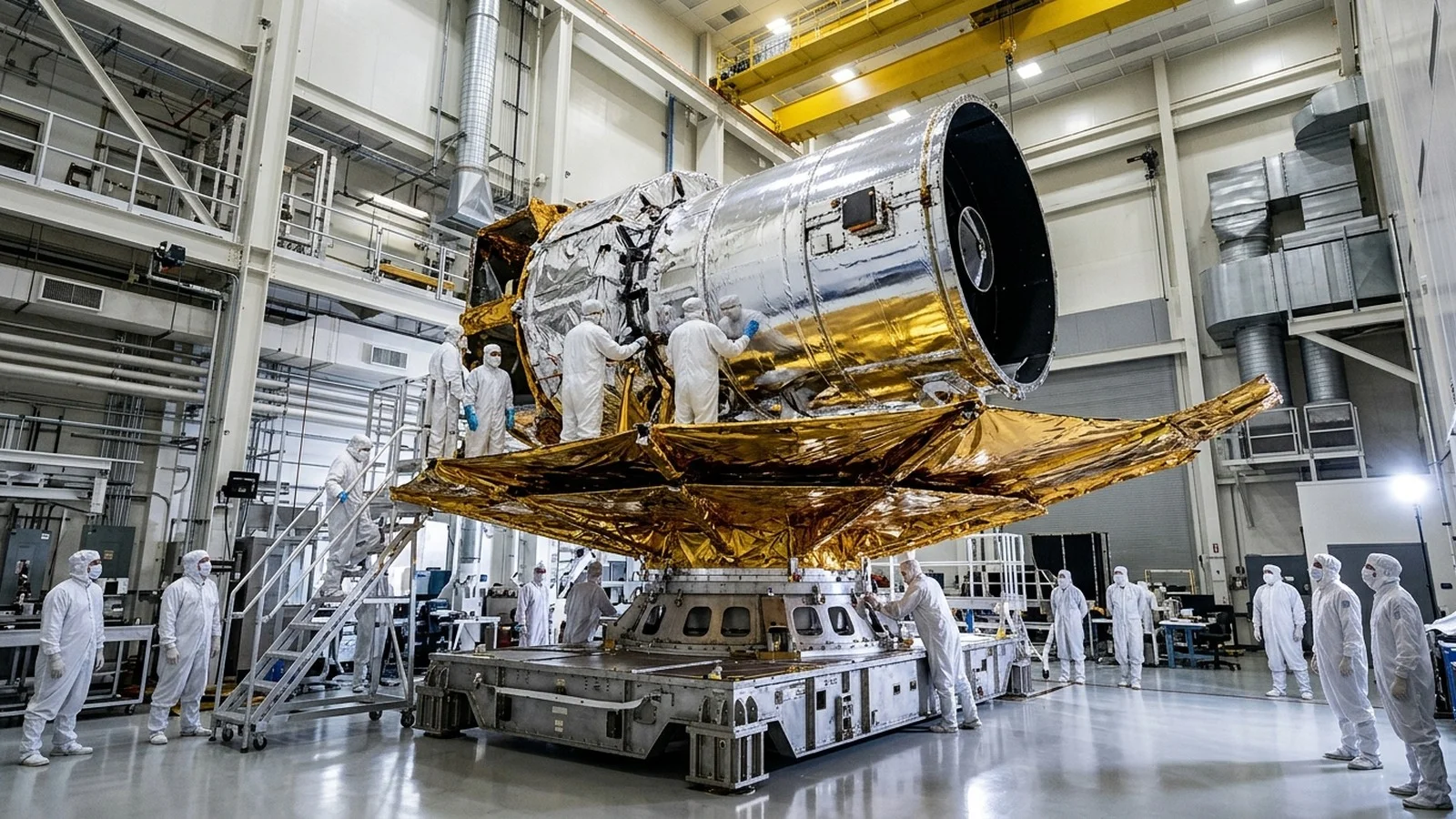
Two days after leaving Earth, the Nancy Grace Roman Space Telescope has switched on the instrument everyone's been waiting for. On 1 September, NASA confirmed that Roman's Coronagraph Instrument, the most advanced planet imager ever sent to space, powered on without a hitch.
It's a quick milestone in a long commissioning checklist, but it matters more than most. This is the piece of kit that could change how we photograph planets around other stars, and it's the direct ancestor of the telescope that may one day photograph another Earth.
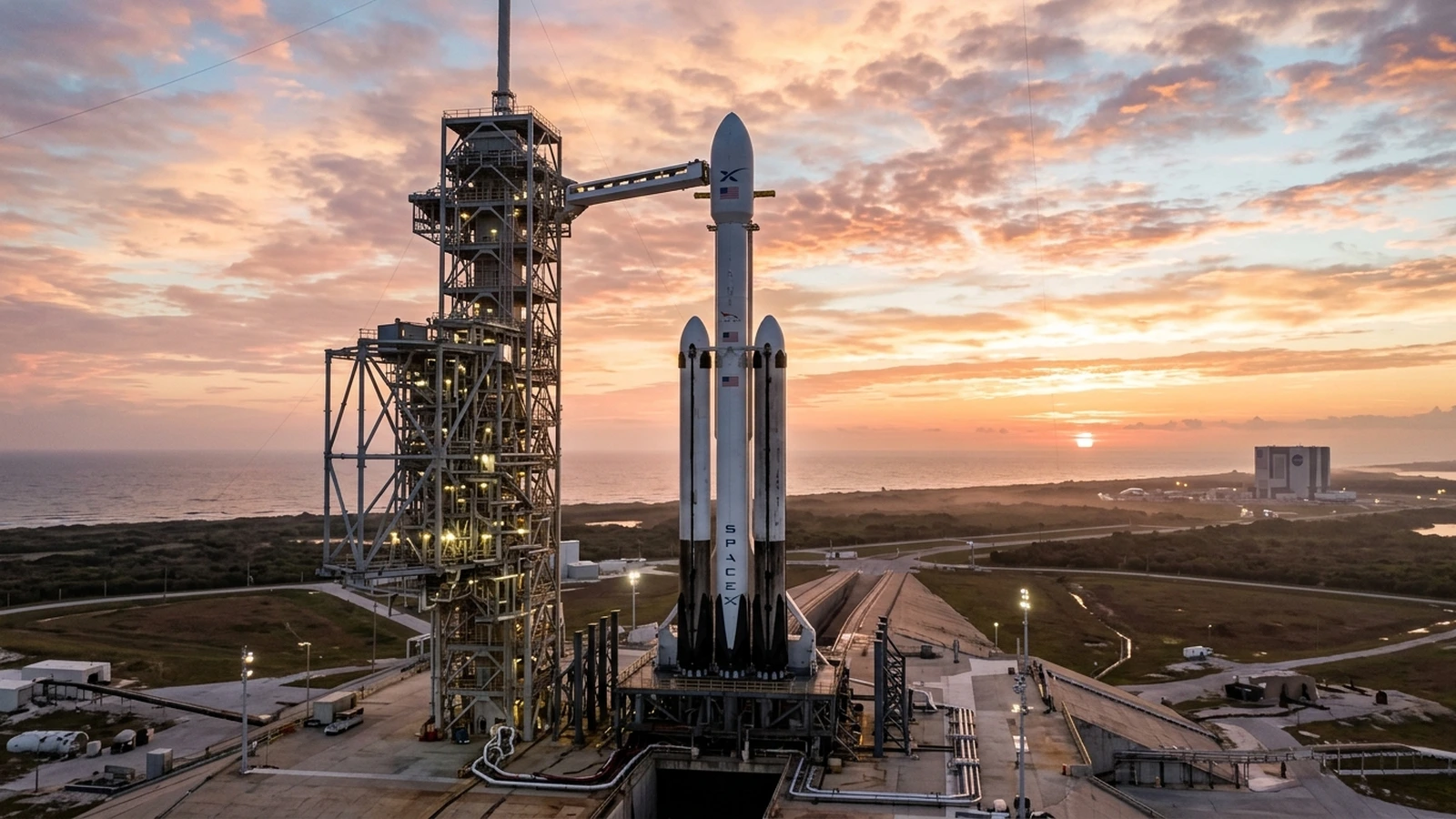
We covered Roman's launch on a Falcon Heavy on Sunday. Here's what's happened since, and why this particular switch-on deserves its own post.
Roman Coronagraph Powered On: What Happened
The power-on began at 12:27pm UK time on Monday 1 September and finished 55 minutes later, at 1:22pm. In NASA terms that's about as smooth as these things get. The same day, Roman deployed its high-gain antenna and the "visor" sunshade that shields its optics, so the spacecraft is steadily unfolding into its working shape as it cruises towards its parking spot at L2, the same gravitationally quiet point 1.5 million kilometres away where the James Webb Space Telescope lives.
Powered on doesn't mean taking pictures. The coronagraph now faces a months-long programme of calibration and testing before it does any science. But every instrument team dreads the first power-on of hardware that's just been shaken by a rocket, and this one passed.
What Is a Coronagraph and How Does It Work?
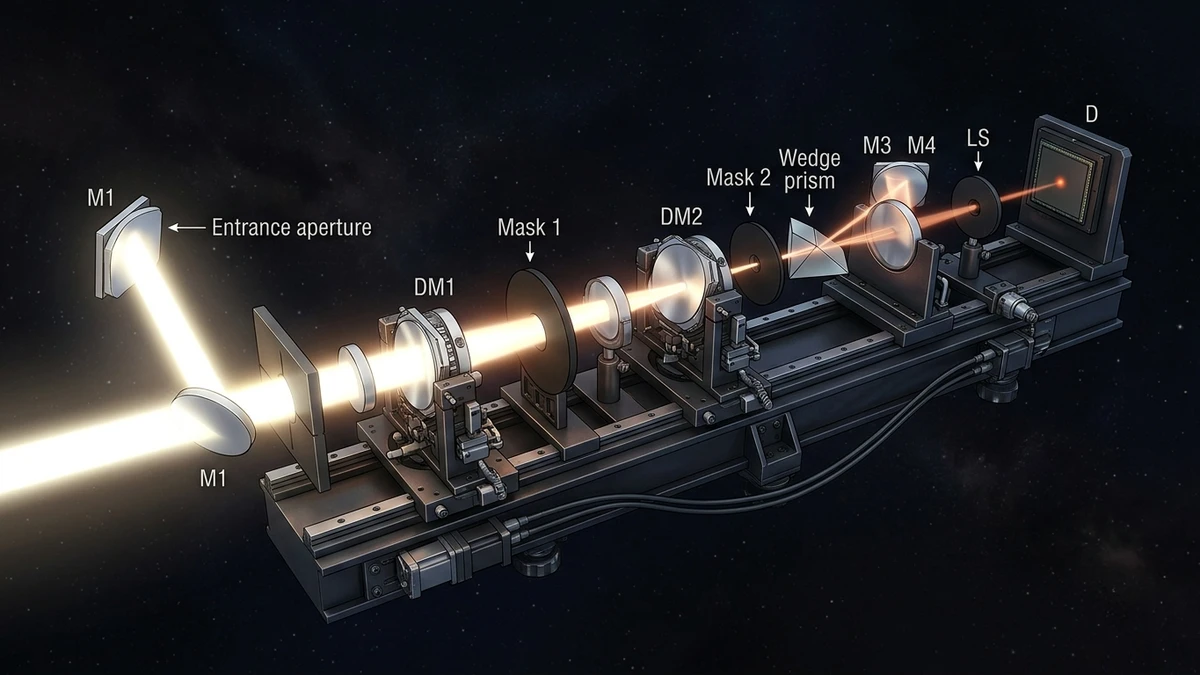
A coronagraph is an instrument that blocks the light of a star so a telescope can see much fainter things right next to it. That's the whole idea. The execution is the hard part.
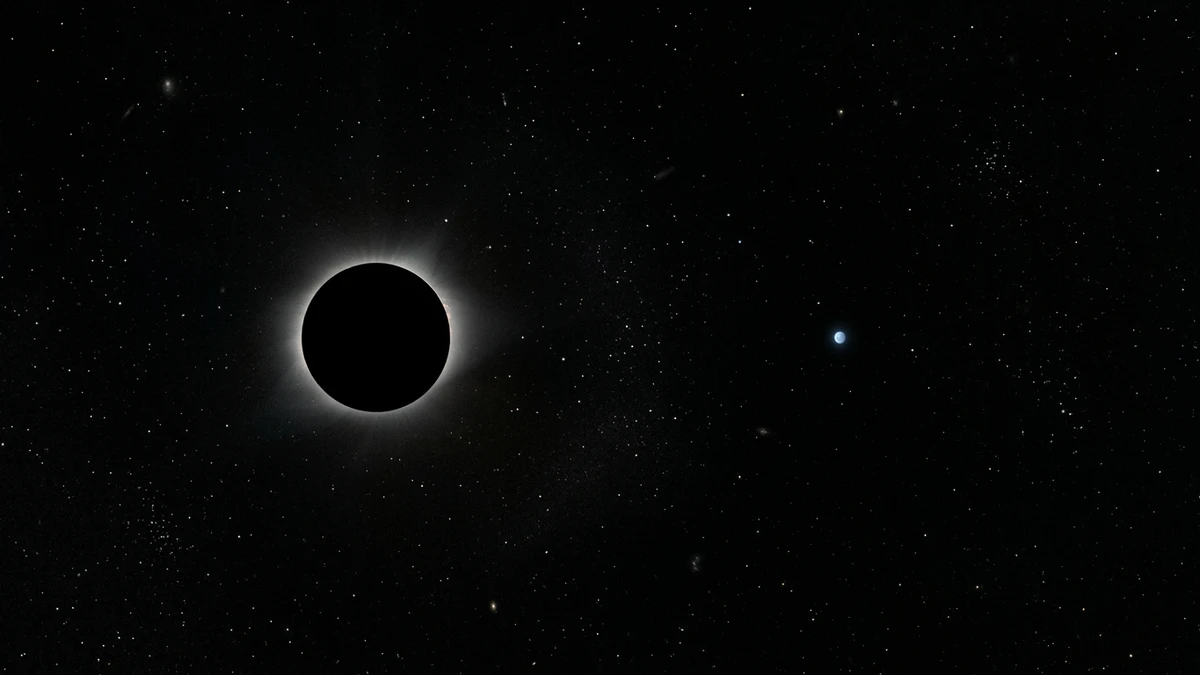
The name comes from our own star. In 1930, French astronomer Bernard Lyot built a device that blocked the Sun's disc so he could study its faint outer atmosphere, the corona, without waiting years for a total solar eclipse. If you watched August's solar eclipse, you've seen the problem a coronagraph solves: the corona is always there, but you can only see it when something covers the blinding disc. Nearly a century later, the same trick is being pointed at other stars, and our guide to the Sun has more on the corona itself.
The challenge with exoplanets is scale. A star outshines its planets by a factor of millions to billions, and from light-years away the two sit almost on top of each other. NASA's favourite comparison is trying to spot a firefly next to a searchlight from thousands of miles away.
Roman's answer is a system of masks, prisms, sensors and, crucially, two deformable mirrors that flex their surfaces hundreds of times a second. Light from the target star hits a mask that blocks the direct glare, then the deformable mirrors measure the leftover scattered starlight and bend themselves, by less than the width of a virus, to cancel it out. What remains is a dark hole in the image where, if everything works, the faint pinpricks of orbiting planets appear.
No coronagraph this capable has ever flown. The target is to reveal planets at least 100 million times fainter than their host star, roughly a hundred times better than anything currently in space.
What Will the Roman Coronagraph Photograph?
Mature, Jupiter-like planets, seen in ordinary visible light by the starlight they reflect. That would be a first.
It fills a real gap. Direct images of exoplanets do exist, and some are spectacular, like James Webb's discovery of Beta Pictoris d. But almost all of them show very young, very hot super-Jupiters still glowing from their formation, orbiting far from their stars in the infrared. Older, colder planets in closer orbits, the kind our solar system actually contains, have been out of reach. They don't glow; they only reflect. Roman is built to catch that reflected light, and it will image dusty debris discs around nearby stars too.
The coronagraph is officially a technology demonstration rather than a science instrument, and it gets about three months of pre-planned observing time spread across the mission's first year and a half. The rest of Roman gets on with its day jobs: surveying billions of galaxies to pin down dark energy, and finding an expected 100,000 or so planets by watching them cross in front of their stars or bend starlight through gravitational microlensing.
You can't image exoplanets, but you can image planets
Kit we've tested and reviewed in full
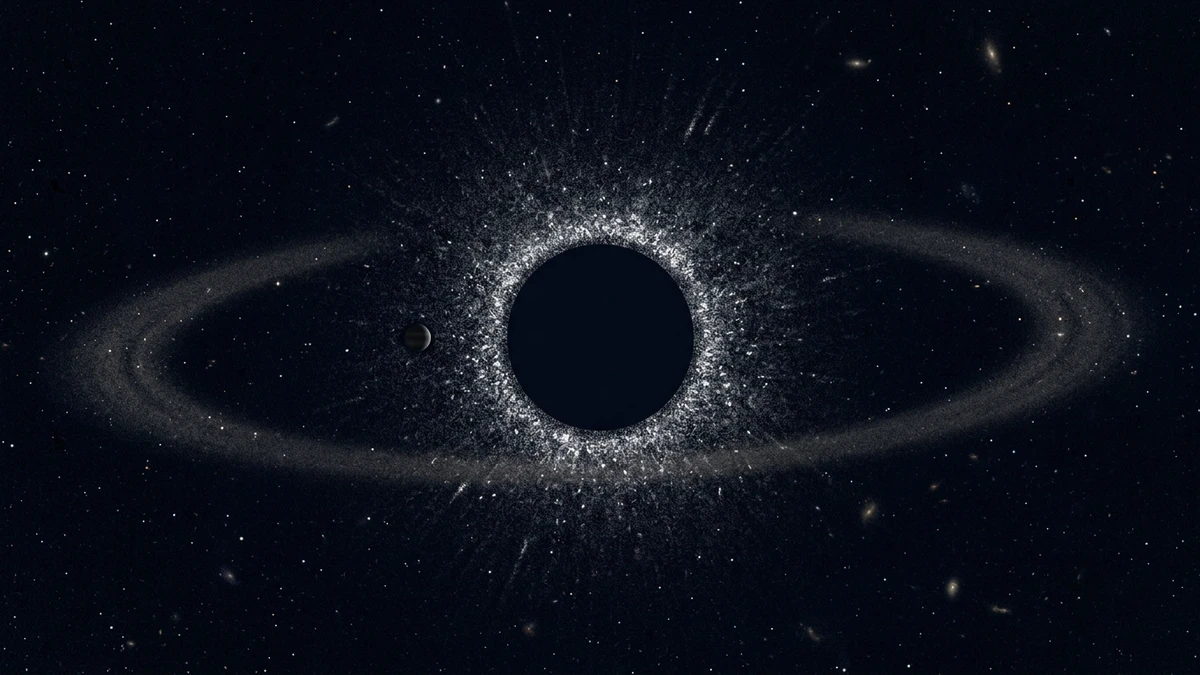
Roman needs a mask and flexing mirrors to photograph worlds around other stars. The planets in our own solar system are a much easier target: Saturn and Jupiter are sitting in the evening sky right now.
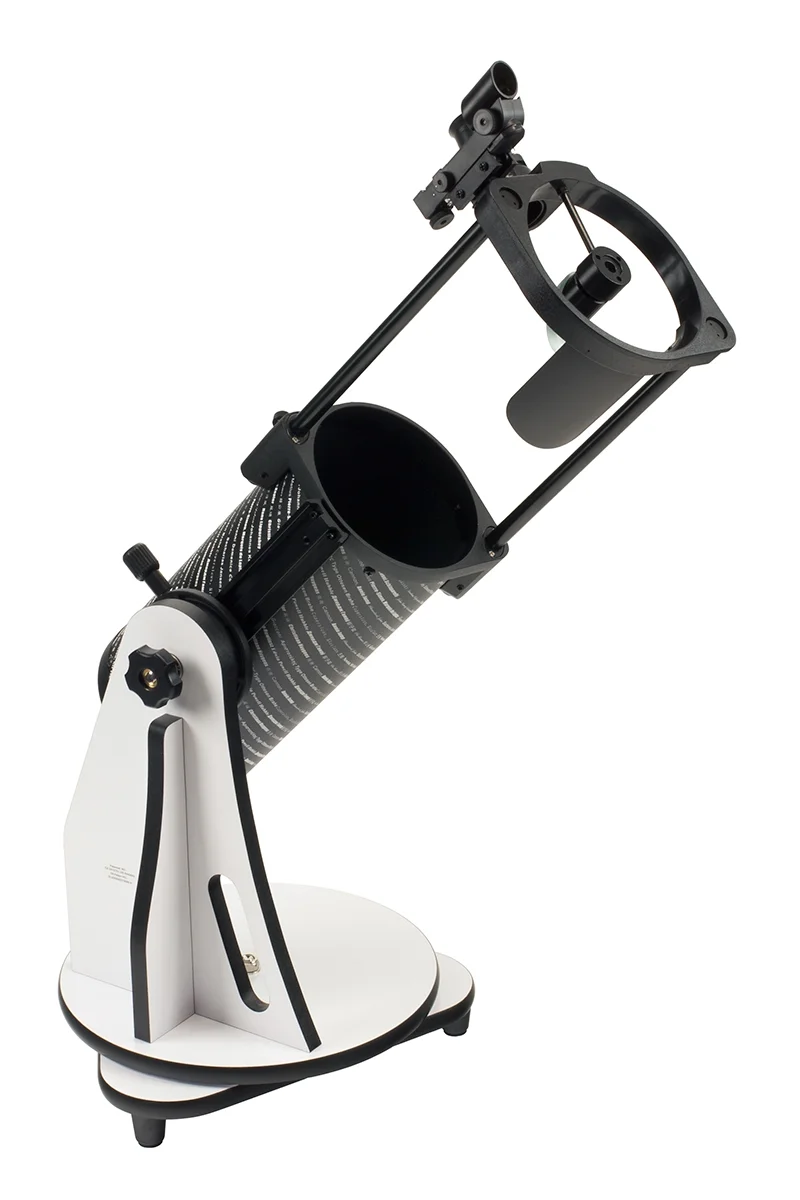
Enough aperture to show Jupiter's cloud belts and Saturn's rings from a UK garden. Sits on a table and takes two minutes to set up.
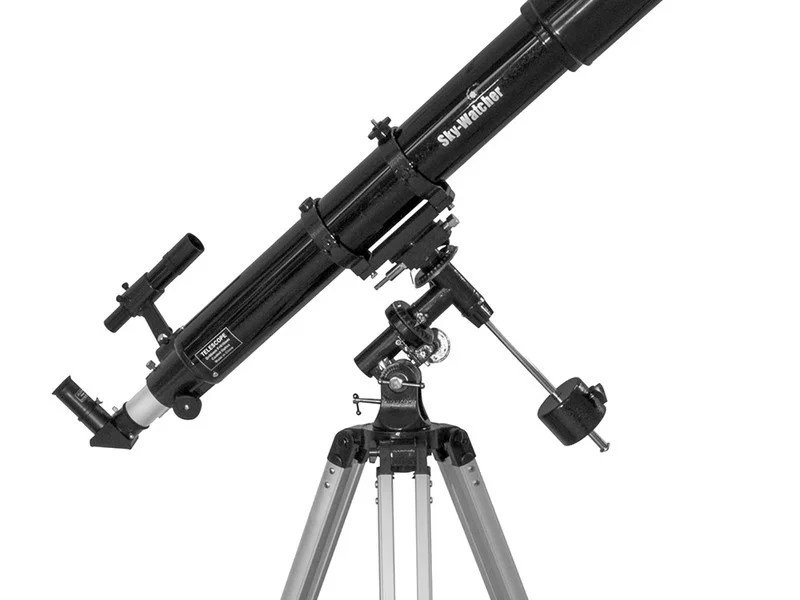
A long refractor that gives crisp, high-contrast views of the Moon and planets. The closest thing to Roman's clean optics on a beginner budget.
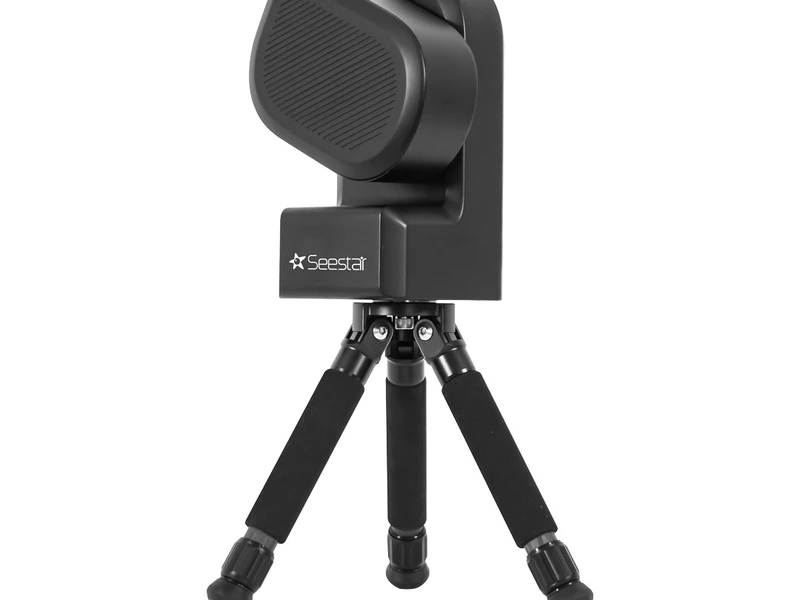
A smart telescope that images and stacks automatically while you watch on your phone. Your own tiny space observatory, minus the Falcon Heavy.
Affiliate links: you pay the same price, we earn a small commission that helps keep WatchTheStars free.
Why It Matters: The Road to Photographing Another Earth
An Earth-like planet around a Sun-like star is about 10 billion times fainter than its star. Roman's coronagraph won't get there, and isn't meant to.
What it does is prove the method. Deformable mirrors, real-time wavefront sensing, extreme starlight suppression: these are exactly the technologies NASA's planned Habitable Worlds Observatory will need to photograph a true Earth twin and check its atmosphere for signs of life. That mission can't be designed with confidence until someone shows the approach works in space rather than on an optics bench in a lab. Roman is that someone.
There's a nice symmetry here. Roman was named after Nancy Grace Roman, the astronomer who spent the 1960s and 70s convincing everyone that a big space telescope was worth building, and got Hubble. Her telescope is now doing the same advance work for the observatory that might answer the biggest question of the lot. And with rocky worlds like LHS 1140 b showing atmospheres in the habitable zone, the target list is already growing.
What Happens Next for Roman
Commissioning continues for roughly the next three months as Roman cruises out to L2. The main Wide Field Instrument, the 300-megapixel camera that does the mission's survey work, gets its own checkout, the optics are aligned, and the detectors settle to their operating temperatures. The coronagraph team spends the same period calibrating their masks and mirrors.
NASA expects to release Roman's first images in early 2027. Coronagraph observations slot in after that, in blocks, once the technology demonstration formally begins.
Nothing about Roman is visible from a back garden, but the sky it's studying is. Our September night sky guide has this month's targets, and if you fancy trying planetary observing yourself, our guide to how to use a telescope is the place to start.
The Bottom Line
Switching on an instrument sounds routine, and mechanically it was: 55 minutes, no drama. But the Roman coronagraph is the first serious test of the technology that stands between us and a photograph of another living world. As of Monday lunchtime, it's alive and well, and on its way to L2.
Months of careful calibration come next, and the first pictures won't arrive until 2027. We'll be following the whole way.
Sources:
- NASA Activates Roman's Primary Instrument, Checks Out Coronagraph · NASA Science, 15 September 2026
- NASA Roman's Planet Imager Has Powered On · NASA Science
- NASA Roman Space Telescope's Antenna, 'Visor' Deployed · NASA Science
- Coronagraph: Roman Space Telescope · NASA Science
Frequently Asked Questions
Equipment guides
Related topics
Ian ClaytonAmateur astronomer and founder of WatchTheStars.co.uk, dedicated to helping others explore the wonders of our universe. Full profile →