Key takeaways
- Astronomers using the James Webb Space Telescope have found that the biggest galaxies in the early universe contain far more small, faint stars than expected
- One galaxy, formed less than 1.5 billion years after the Big Bang, may be four times more massive than earlier estimates
- The team studied nine early galaxies by combining Webb's deep spectra with older Very Large Telescope observations
- The result makes an existing puzzle worse: Webb keeps finding early galaxies that grew too big, too fast for current models
- Small stars often host planets, so the early universe may have held far more planets than anyone assumed
Jump to section 6 sections
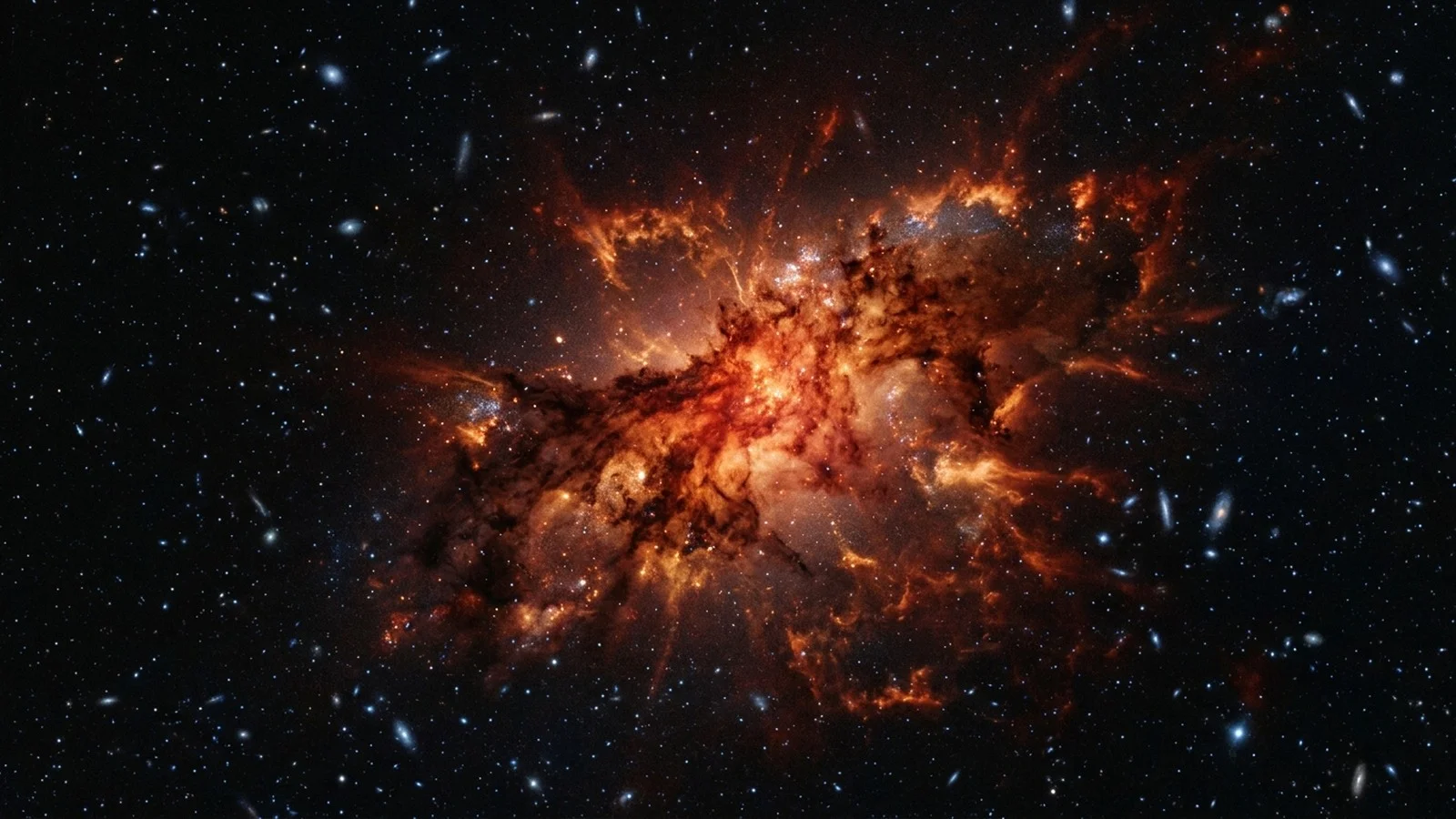
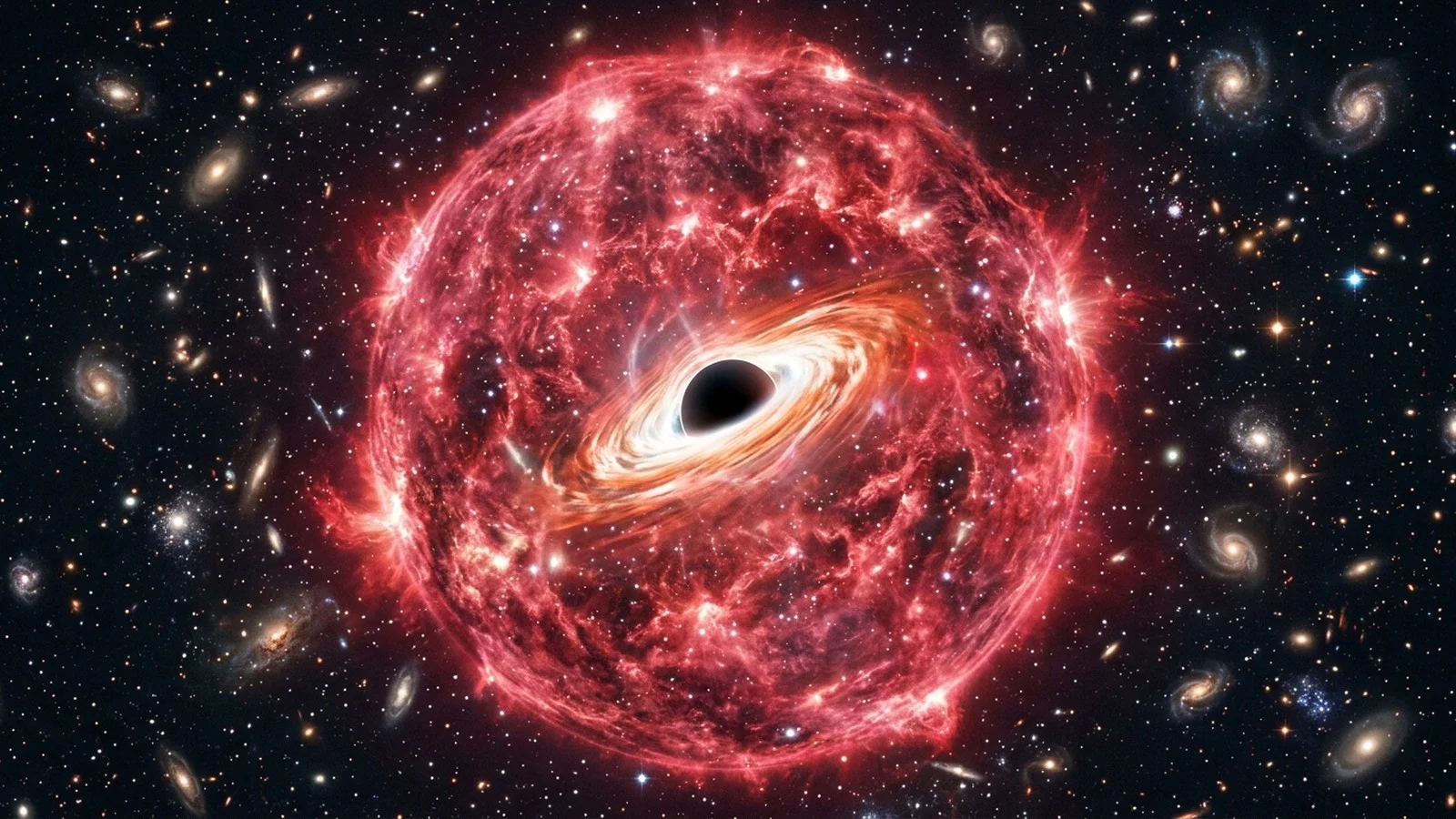
The biggest galaxies in the early universe have been hiding most of their stars. That is the conclusion of a study published in Nature Astronomy on 18 August 2026, in which astronomers used the James Webb Space Telescope to weigh nine massive galaxies from the universe's first few billion years. The team found them packed with far more small, faint stars than anyone expected. One galaxy may be four times more massive than earlier estimates suggested.
It is the kind of result that sounds like a bookkeeping fix and turns out to shake the foundations. Webb has spent four years finding early galaxies that look too big, too soon. This study says the problem is worse than we knew.
James Webb 'Hidden Stars': What Astronomers Found
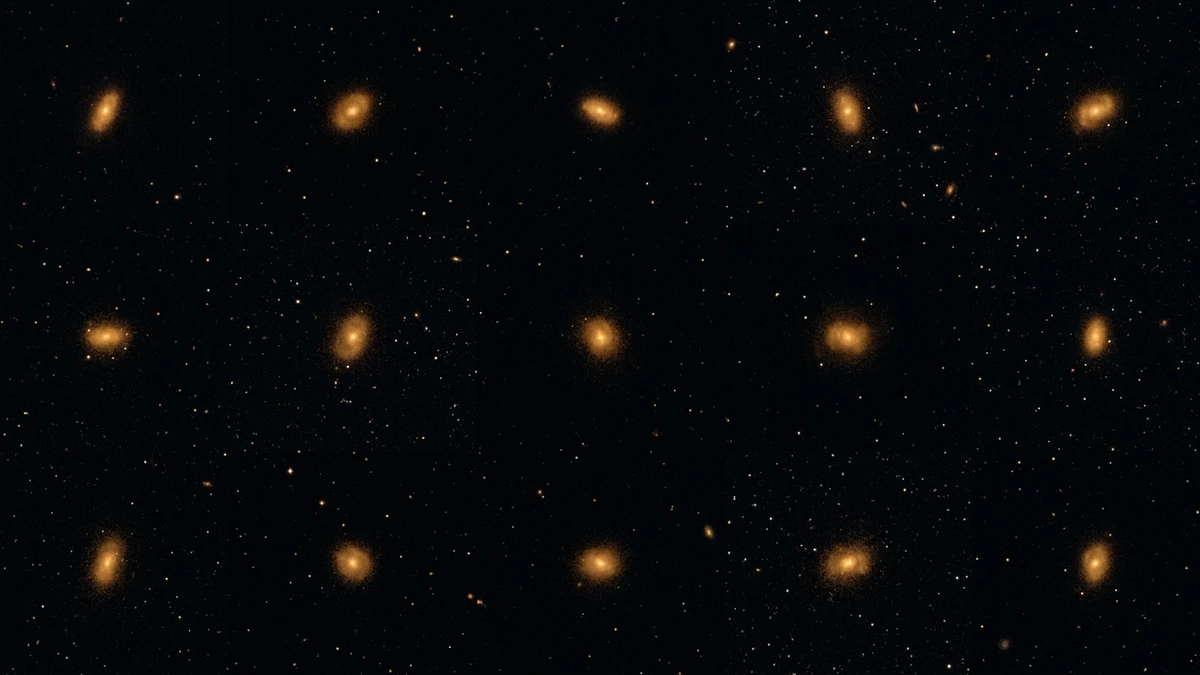
An international team led by Leiden University in the Netherlands studied nine massive galaxies that had already finished their main burst of star formation. By combining Webb's exceptionally deep spectra with earlier observations from the Very Large Telescope in Chile, they managed something new: counting how many small stars these distant galaxies contain.
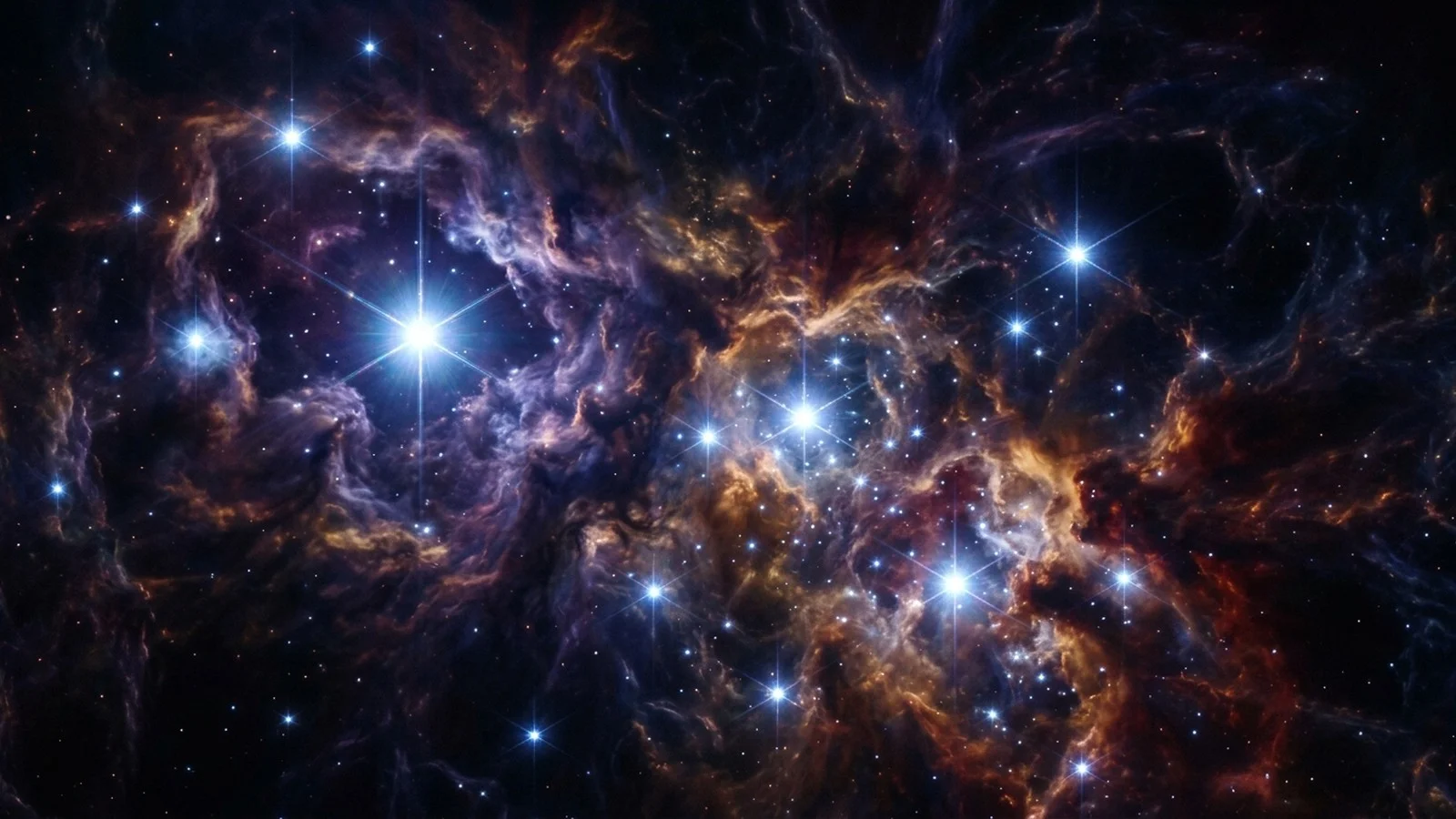
The answer was far more than anyone had assumed. The most massive early galaxies hold a much larger share of small stars than galaxies like our own Milky Way do today.
"If a galaxy were a city, the brightest stars would be the skyscrapers you can immediately see from far away," said first author Chloe Cheng, who completed her PhD at Leiden in June. "Our models show that behind the brightest stars there is a much larger population of small stars, like houses among the skyscrapers. This means that the galaxy as a whole is much more massive than previous estimates suggested."
The standout case is a galaxy that formed less than 1.5 billion years after the Big Bang. Once its hidden small stars are counted, it may be four times more massive than previously thought.
How Do You Count Stars You Cannot See?
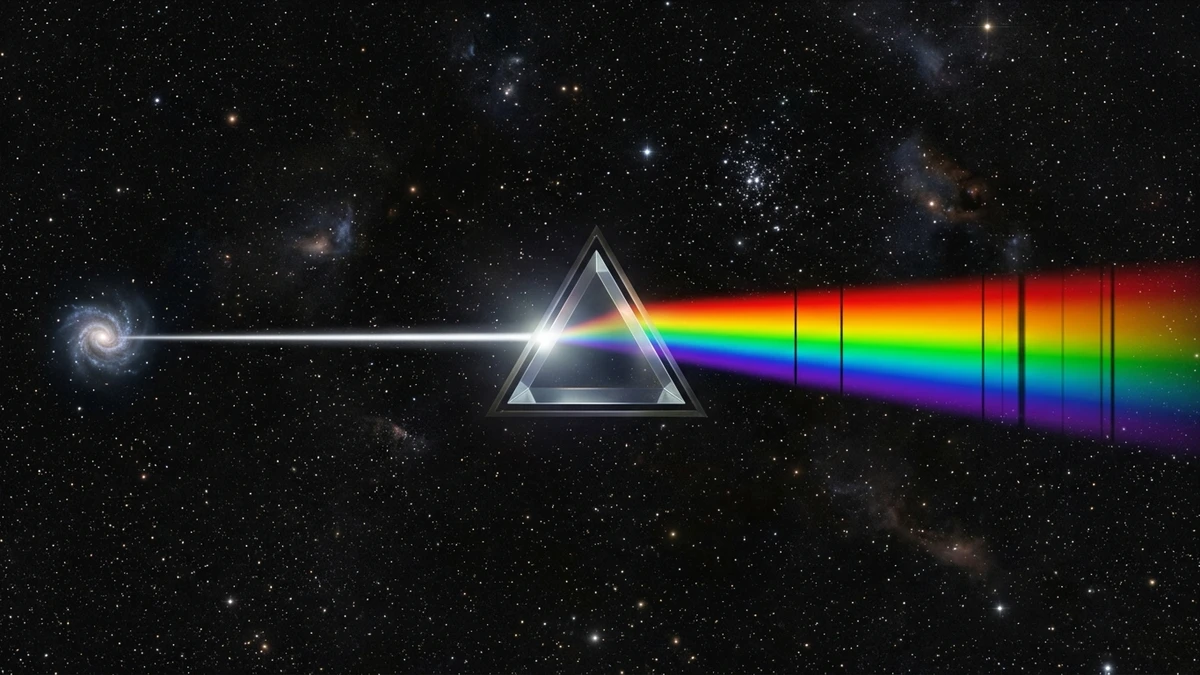
You cannot photograph individual stars in a galaxy billions of light-years away. What you can do is split the galaxy's combined light into a spectrum and read the fingerprints different stars leave in it.
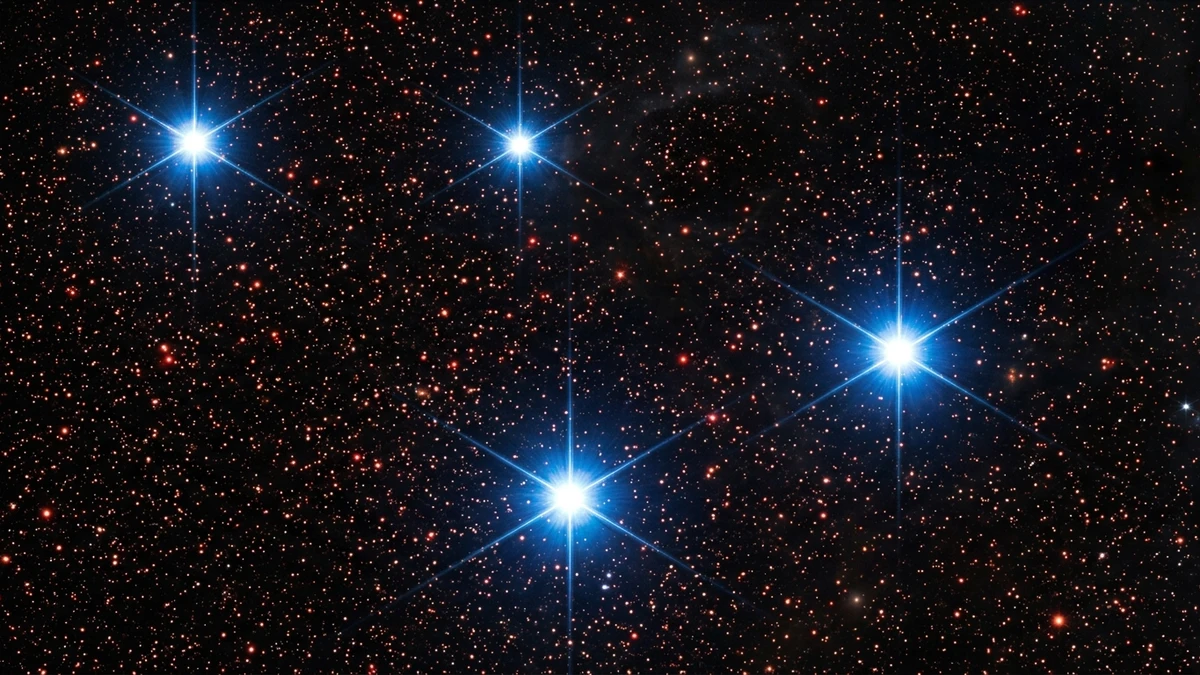
Big, hot stars blaze so brightly that they dominate the light. Small, cool stars, the red dwarfs that actually make up most stars by number, contribute only a faint signature. Nearby examples like Barnard's Star and Proxima Centauri are so dim that neither is visible to the naked eye, despite being among the closest stars to the Sun.
Finding that faint signature in a galaxy from the early universe took three things at once: a telescope that could gather enough light, spectra of unusually high quality, and new analysis techniques to separate the subtle features of small stars from the glare of the big ones.
"Measurements like these were simply not possible until recently," said co-author Martje Slob.
Until now, astronomers filled the gap with an assumption. The mix of star sizes born in any stellar nursery, known as the initial mass function, was taken to be roughly the same across the universe. Weigh the bright stars you can see, apply the standard recipe, and you get the total. This study is the first direct check of that recipe in massive early galaxies, and the recipe failed. Star formation back then was 'bottom-heavy', skewed towards small stars.
Early Galaxies Four Times More Massive: Why That Matters
Since it started work in 2022, Webb has kept turning up early galaxies that seem too massive for their age. We have covered several of them here, from the 'red monster' galaxy that shouldn't exist to the mysterious little red dots scattered through Webb's deep fields. Each time, theorists have had to explain how so many stars formed so quickly after the Big Bang.
This result turns the dial the wrong way. If the earliest massive galaxies were three to four times heavier than measured, the puzzle sharpens: models of galaxy formation must now account for even more stars forming even faster.
There is a knock-on effect for cosmology too. Estimates of how much of the universe's ordinary matter ended up locked in stars rest on the same standard recipe. If the recipe was different in the early universe, some of those numbers will need revisiting, much as Webb's map of the cosmic web forced a rethink of where matter sits on the largest scales.
More Small Stars Could Mean More Planets
Here is the part that reaches beyond galaxy statistics. Small stars are where the planets are.
"This result shows that much more mass than we thought is hidden in small stars," said Professor Mariska Kriek, who led the study. "It has implications for many areas of astronomy. Small stars often have planets orbiting them, so if there were many more small stars in the early Universe than we thought, there may also have been more planets."
Red dwarfs are the universe's favourite place to put rocky worlds. Proxima Centauri has at least one. TRAPPIST-1, another red dwarf, has seven. If the first massive galaxies were churning out small stars in unusual numbers, then planets may have become common far earlier in cosmic history than anyone had pencilled in. Worlds forming barely a billion years after the Big Bang, in galaxies we can still see today.
What James Webb Will Study Next
The nine galaxies in this study date from the universe's first few billion years. The team now plans to point the same method at even earlier galaxies, working back towards the era when the first generation of stars switched on.
They will have company. ESA's Euclid telescope has been charting the early universe too, recently finding 31 of the oldest quasars ever discovered, and NASA's Roman Space Telescope is due to launch on 30 August, a week from now, with a field of view a hundred times wider than Hubble's. Between them, the census of the early universe is about to get a lot more thorough. On this evidence, it will also get heavier.
Can You See a Galaxy From the UK?
Not these nine. They are among the most distant objects ever weighed, and their light is stretched deep into the infrared, which is exactly why Webb was built.
But you can see a galaxy tonight, and late August is a good time to start. The Andromeda Galaxy rises in the north-east during the evening and climbs higher through autumn. From a dark site it is visible to the naked eye as a faint elongated smudge, the most distant thing human eyes can see unaided. Binoculars show it easily even from town edges, and the galaxy pair M81 and M82 in Ursa Major make a fine follow-up target for a small telescope. Check what else is visible tonight before you head out, and if the Moon is bright, save the galaxy hunt for next week: this week's night sky guide has the current Moon phase.
See a galaxy with your own eyes
Kit we've tested and reviewed in full
Webb's nine galaxies are strictly professional targets, but galaxy hunting from a UK garden is very doable. The Andromeda Galaxy is rising higher each autumn evening, and its light left home 2.5 million years ago. Our binocular astronomy guide covers how to find it.
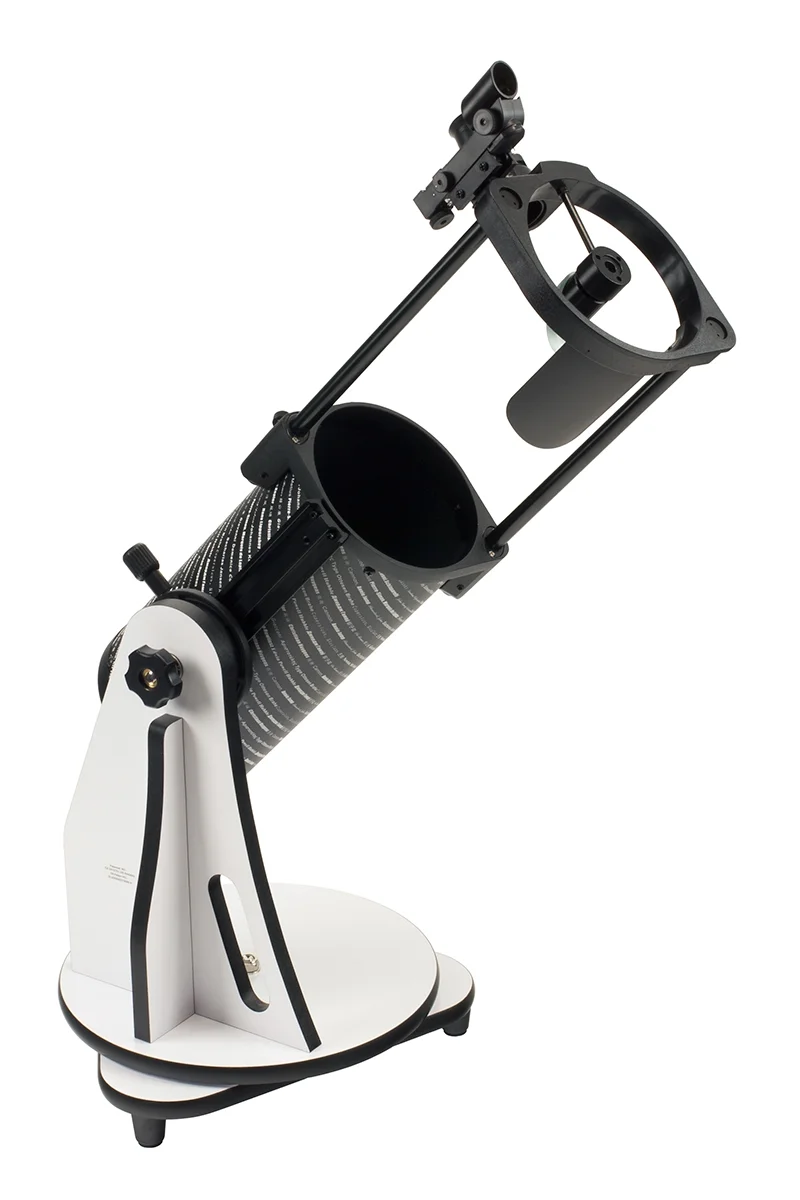
Enough aperture to show Andromeda's bright core and hunt down the M81 and M82 galaxy pair in Ursa Major on a dark night.
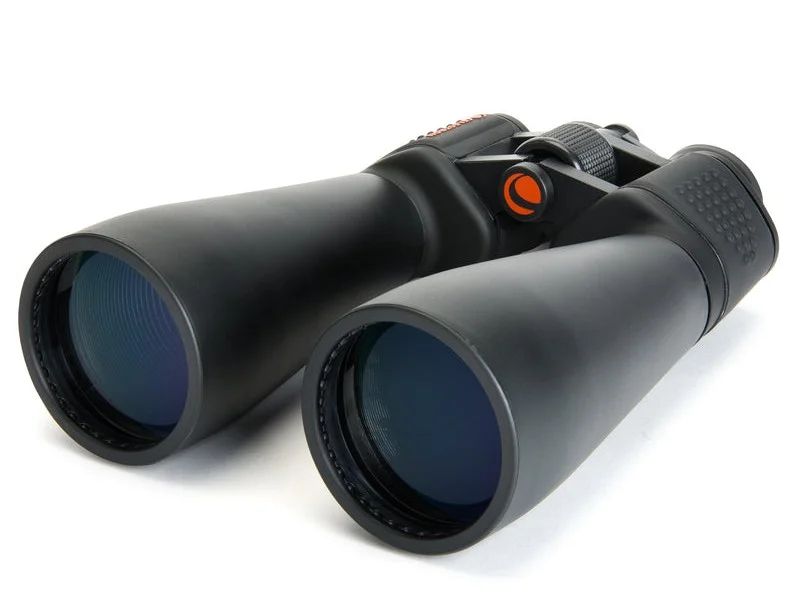
Big 70mm lenses make Andromeda an easy catch and frame its full width better than most telescopes can.
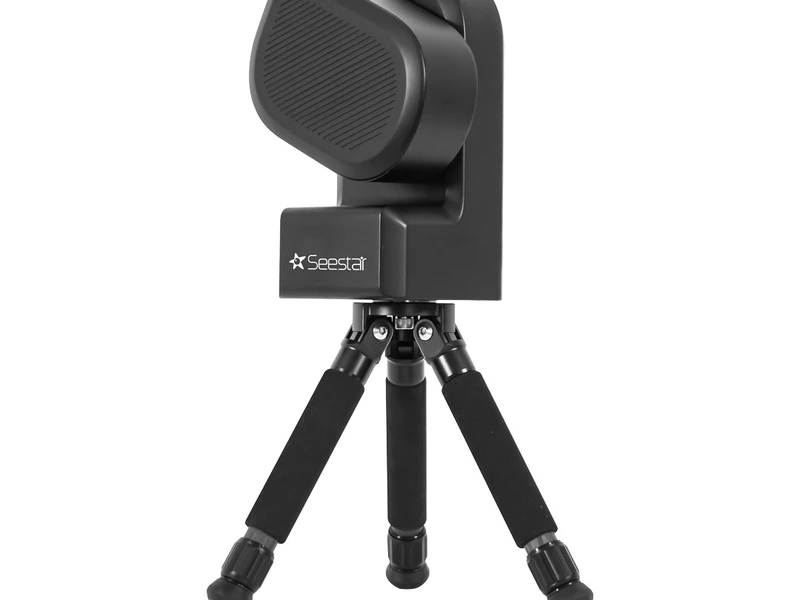
A smart telescope will pull out Andromeda's spiral dust lanes in minutes of stacked exposure. The closest a garden gets to a Webb view.
Affiliate links: you pay the same price, we earn a small commission that helps keep WatchTheStars free.
One more thought to take outside with you. Every galaxy you can find from a UK garden is dominated, by number, by small red stars you cannot see. Webb has just told us the universe has been like that from the very start, only more so. The skyscrapers get the photographs. The houses hold the mass.
Sources:
- 'Hidden' stars make first galaxies much more massive than previously thought · Leiden University
- James Webb Space Telescope finds 'hidden stars' making the universe's 1st galaxies much bigger than we knew · Space.com
- JWST finds early galaxies may be 4 times more massive than thought · ScienceDaily
- Cheng, C. et al., 'Hidden mass in early galaxies revealed by bottom-heavy initial mass functions', Nature Astronomy, 18 August 2026
Frequently Asked Questions
Equipment guides
Related topics
Ian ClaytonAmateur astronomer and founder of WatchTheStars.co.uk, dedicated to helping others explore the wonders of our universe. Full profile →