Key takeaways
- The deep partial lunar eclipse happened in the early hours of Friday 28 August 2026, with maximum at 5:12am BST
- From the UK the partial phase starts at 3:33am BST and maximum comes at 5:12am, with 93% of the Moon's diameter in Earth's shadow
- The Moon was very low in the west-south-west, so a flat western horizon was essential
- The Moon sets while still eclipsed, between about 6:10am and 6:40am depending on where you are
- No eclipse glasses needed: lunar eclipses are completely safe to watch with the naked eye
Jump to section 6 sections
The short version: the eclipse happened before dawn on Friday 28 August 2026, with maximum at 5:12am BST very low in the west-south-west. The plan below is kept as a record for next time. Full details in our complete eclipse guide, and check tonight's sky before you head out.
Updated 2 September 2026: this eclipse happened before dawn on Friday 28 August 2026. The timings and viewing notes below are kept as a record; the next lunar eclipses visible from the UK are listed at the end.
What Time Is the Lunar Eclipse Tonight?
Tonight's lunar eclipse begins for the UK at 3:33am BST on Friday 28 August, when the Moon starts sliding into Earth's dark shadow. Maximum eclipse comes at 5:12am, with 93% of the Moon's diameter in shadow and only a thin bright sliver left along one edge. The Moon then sets while still eclipsed, between about 6:10am and 6:40am depending on where you are in the country.
So this is a set-your-alarm event, not an evening one. The full Moon rises this evening looking completely normal. The action starts in the small hours of Friday morning, and it's the deepest lunar eclipse visible from the UK until 2028. We covered the why and the how in detail in our complete guide to the 28 August eclipse; this is your final reminder to actually set the alarm.
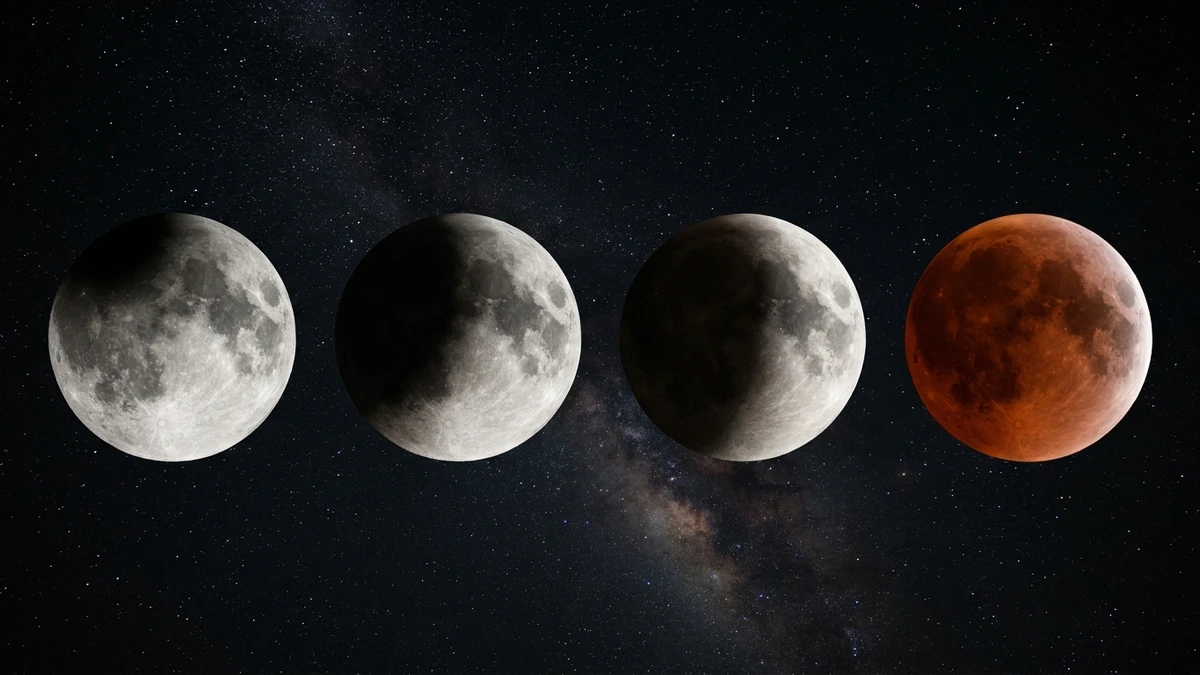
One honest caveat: the Moon sets before the partial phase ends at 6:52am. From the UK you get the best half of the show, the shadow growing all the way to maximum with the Moon low over the landscape, and then moonset takes it from you. Observers in the Americas see the whole thing, but they don't get it hanging red over a dawn horizon.
Where to Look: A Flat Western Horizon
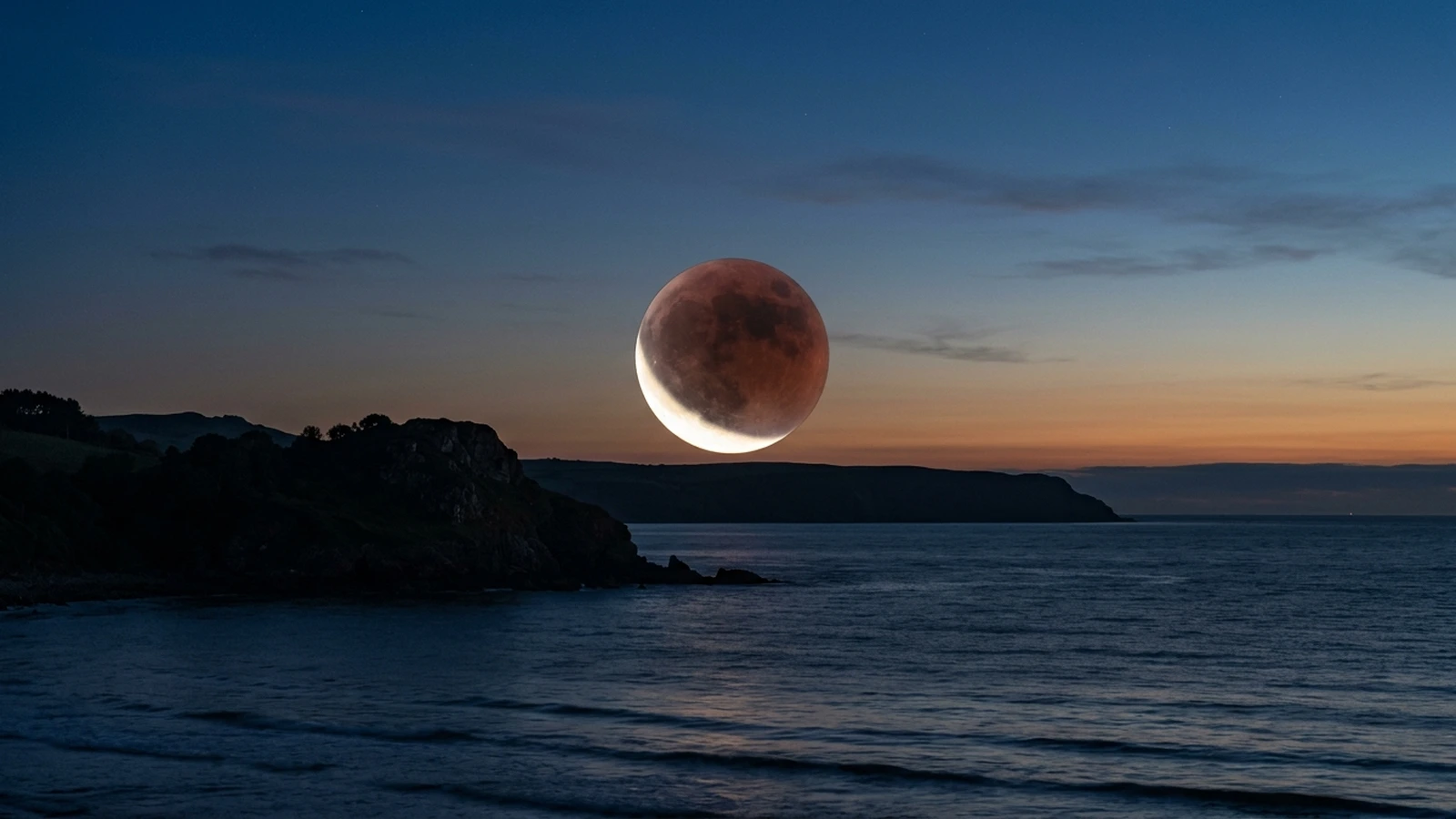
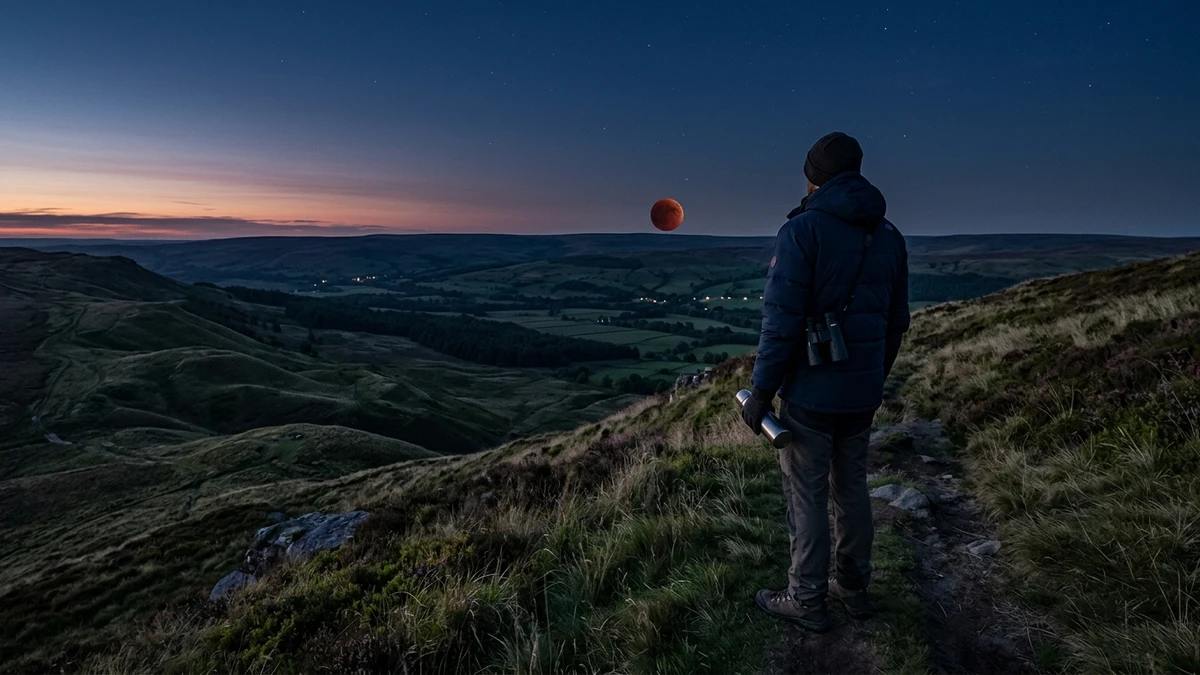
Look west-south-west. That's where the Moon will be sinking as the eclipse deepens, and by maximum at 5:12am it's only about 8 degrees up from southern England. That's roughly a fist held sideways at arm's length. Any houses, trees or hills in that direction will hide the eclipse completely.
If you can, scout your spot this evening. A west-facing coastline, a hilltop looking over low ground, or the shore of a reservoir all work. The further west you are in the UK, the later the Moon sets and the more eclipse you get, so Northern Ireland, Wales, western Scotland and Cornwall have the edge over the east coast.
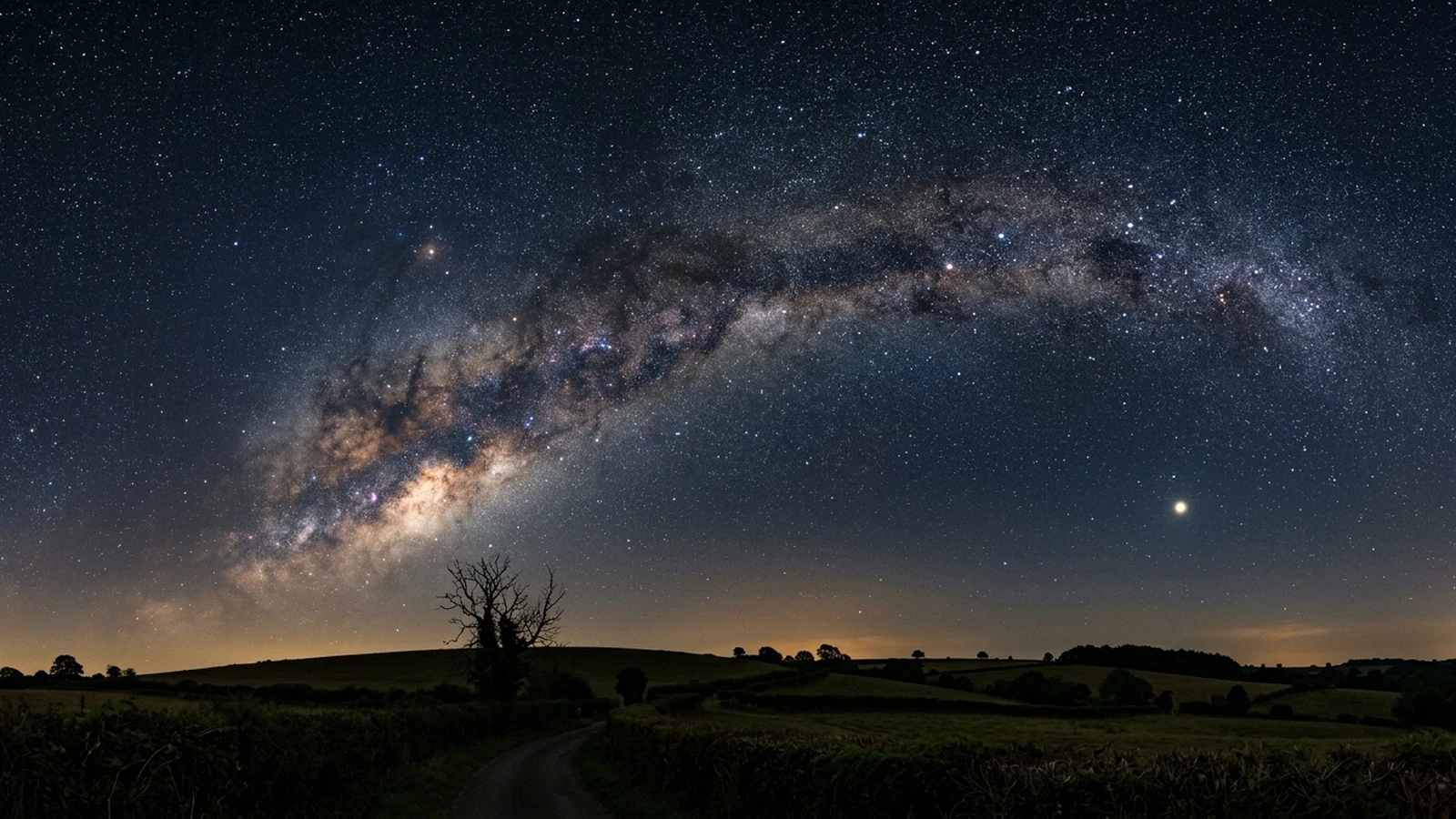
While you wait, look up and left of the Moon for Saturn, glowing steadily in Pisces. It's well placed this year as it heads towards opposition, and a nice target if you've brought binoculars. There's more on what August's pre-dawn sky is doing in our August night sky guide.
Will the Moon Turn Red Tonight?
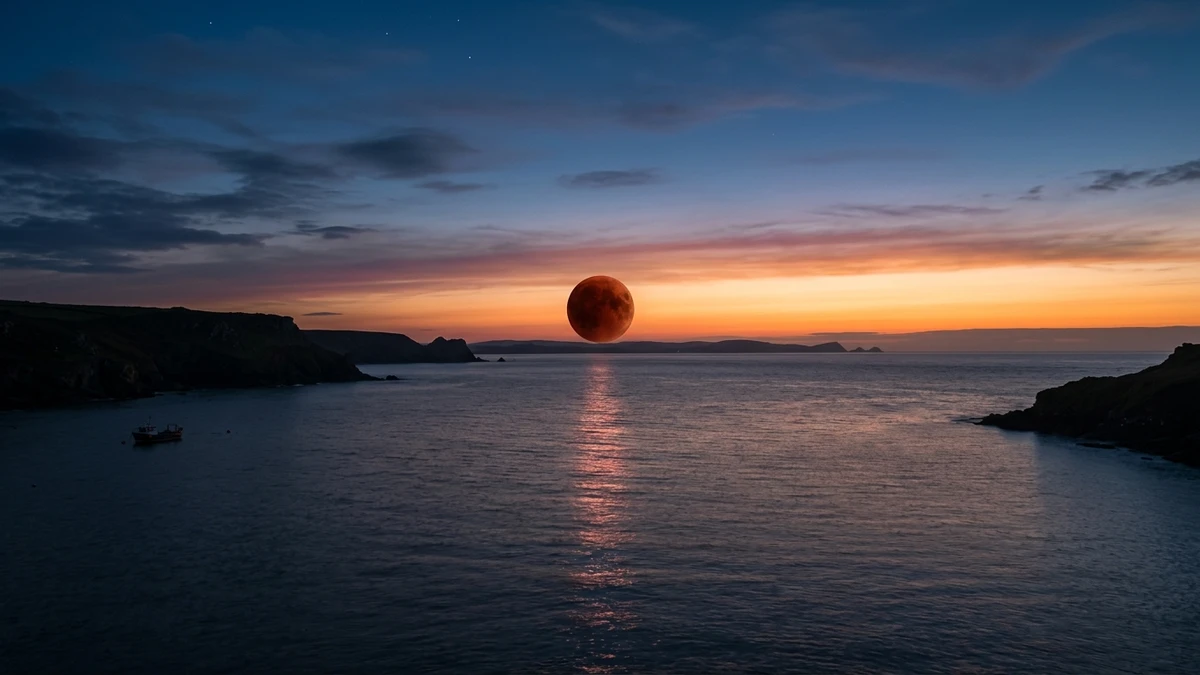
The shadowed part of the Moon should glow a coppery red, which is why tonight's event is being widely called a blood moon. The colour is real: sunlight bends through Earth's atmosphere on its way past, the blue light scatters away, and the red light carries on to paint the eclipsed Moon. You're seeing the light of every sunrise and sunset on Earth at once.
Two things temper it. This is a deep partial eclipse rather than a total one, so a brilliant sliver of normal Moon stays lit at the edge. And the Moon will be low in brightening twilight, which mutes colour. Expect an old-penny copper rather than deep crimson, and let binoculars bring it out. If you've never tried binocular astronomy, watching Earth's shadow swallow craters one by one is a lovely place to start.
Photographers should enjoy tonight. A red Moon 8 degrees up begs to be framed against a landscape, and our guides to photographing the Moon and phone astrophotography cover the settings.
Grab these before you head out
Kit we've reviewed in full
You need nothing but your eyes for a lunar eclipse. Binoculars are the one upgrade worth making: they show Earth's shadow creeping across individual craters as it happens.
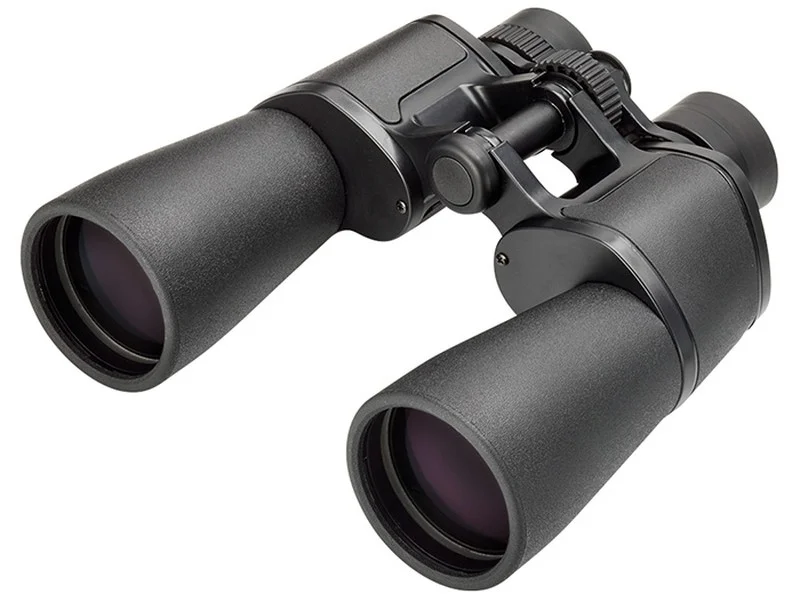
Bright, wide views that frame the whole Moon. Easy to hold steady even half-asleep at 4am, and our standard recommendation for UK beginners.
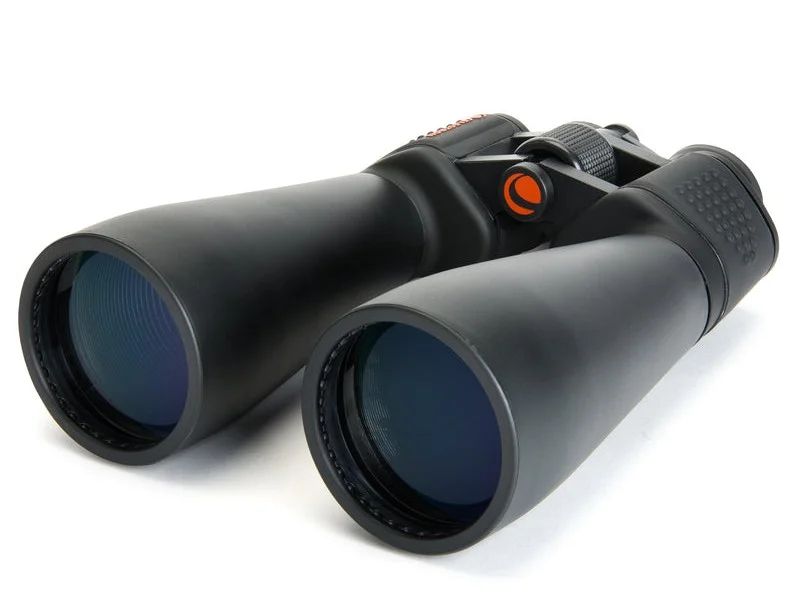
Extra magnification makes the curved shadow edge obvious and picks out craters along the shadow line. Best on a tripod.
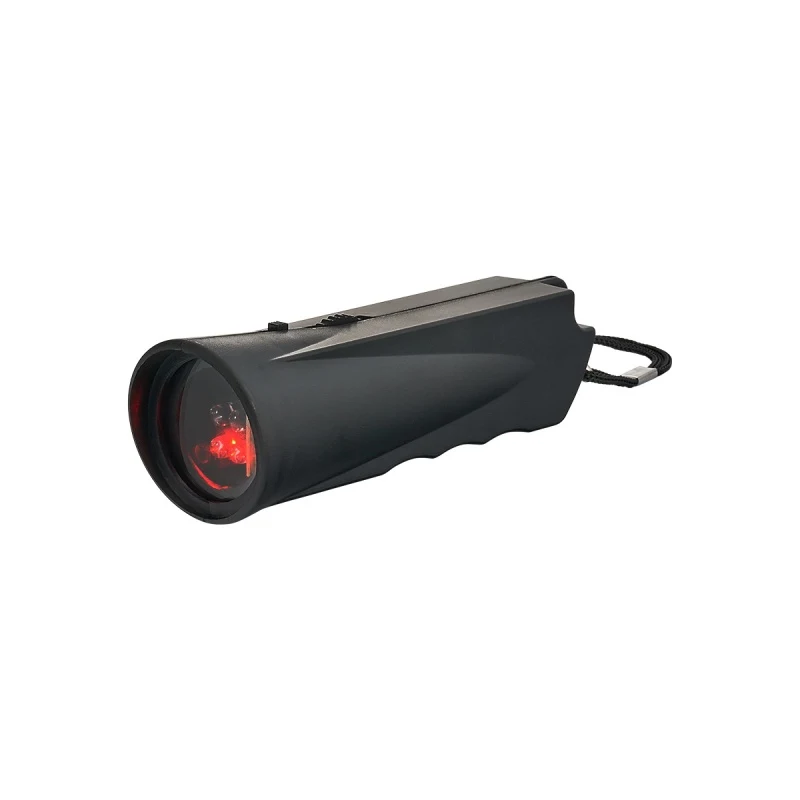
Astro Essentials Red Light Torch
A red torch keeps your eyes dark-adapted while you find your spot and fiddle with kit in the small hours.
Affiliate links: you pay the same price, we earn a small commission that helps keep WatchTheStars free.
Your Plan for Eclipse Morning
- This evening: check the forecast, scout a spot with a flat west-south-west horizon, put binoculars and a coat by the door.
- 3:15am: alarm. No snooze. The eclipse won't wait.
- 3:30am: outside, facing west-south-west. First bite at 3:33am.
- 3:33am–5:12am: the main event. The shadow grows as the Moon sinks.
- 5:12am: maximum. 93% of the Moon in shadow, glowing copper just above the horizon.
- After: stay as long as your horizon allows. The Moon sets still eclipsed between about 6:10am and 6:40am.
If clouds win, don't waste the alarm entirely. Orion is climbing back into the pre-dawn eastern sky, and there's a full listing of what's visible on our tonight page.
Lunar Eclipse Timings at a Glance
All times BST, overnight Thursday 27 into Friday 28 August 2026.
| Time (BST) | Event |
|---|---|
| 2:23am | Penumbral eclipse begins (subtle shading from ~3am) |
| 3:33am | Partial eclipse begins: the dark bite appears |
| 5:12am | Maximum eclipse: 93% of the Moon in shadow, low in the WSW |
| ~6:10–6:40am | Moonset, still eclipsed (varies by location) |
| 6:52am | Partial eclipse ends (below the UK horizon) |
This full Moon is August's Sturgeon Moon, the eighth of the year in our 2026 full Moon calendar, and it pairs with the solar eclipse we watched on 12 August to close out this eclipse season. And if you're up for one more early start this week: the Roman Space Telescope launches on Sunday morning, and you can watch that from the sofa.
When Is the Next Lunar Eclipse Visible From the UK?
There's a gap. 2027 brings only faint penumbral eclipses, where the Moon dims slightly and most people wouldn't notice. The next proper one from the UK is a partial lunar eclipse before dawn on Wednesday 12 January 2028, with the Moon low in the west much as it was this time. The one to plan for is the total lunar eclipse on the evening of Sunday 31 December 2028: a fully red Moon, high in the sky, on New Year's Eve. Our astronomy events calendar will carry the timings, and the full moon calendar has every full Moon between now and then.
Sources:
- See this week's lunar eclipse in the UK and Ireland · BBC Sky at Night Magazine
- 28 August 2026 partial lunar eclipse · Royal Observatory Greenwich
- Deep partial lunar eclipse on August 27-28, 2026 · EarthSky
Frequently Asked Questions
Equipment guides
Related topics
Ian ClaytonAmateur astronomer and founder of WatchTheStars.co.uk, dedicated to helping others explore the wonders of our universe. Full profile →