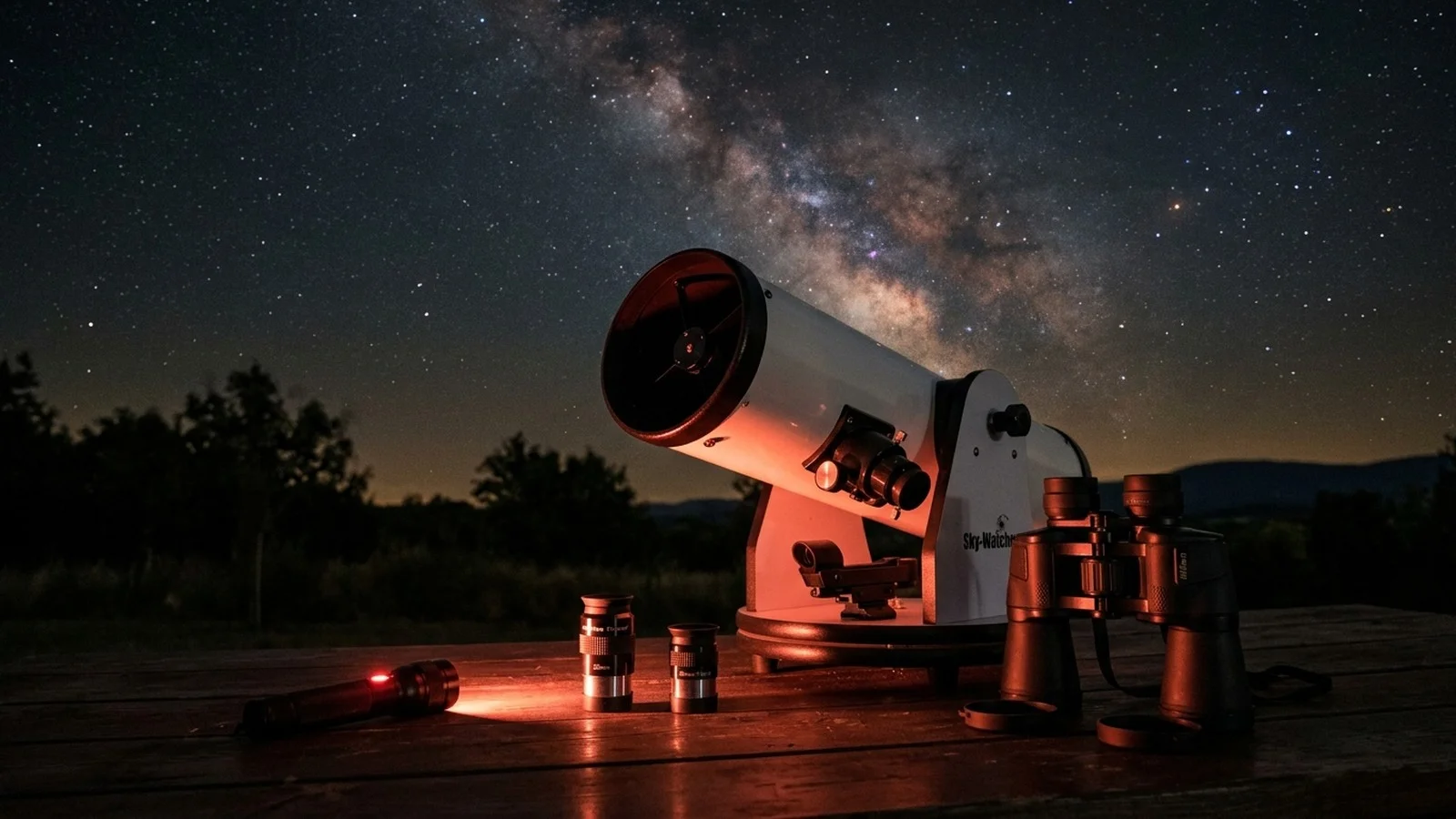
Sky-Watcher telescopes UK: which one to buy, from Heritage to Skymax
Sky-Watcher telescopes are the ones UK beginners are told to buy, and the advice is sound: the Heritage 150P at £249 is the best first telescope for most people, the Sky-Watcher Heritage 130P at £194 is the best under £200, and the Skyliner 200P at £341 is the 8-inch Dobsonian most UK amateurs end up with. The range names tell you the design: Heritage and Skyliner are Dobsonians, Explorer is a Newtonian on an equatorial mount, Evostar is a refractor, Skymax is a Maksutov, and Star Adventurer is a tracking mount for cameras.
This page covers every Sky-Watcher telescope and mount we review, with prices read from our product data and last checked on 2 November 2026. For the brand-neutral shortlist, see our guide to the best beginner telescopes UK; for the head-to-head with the other big name, see Celestron vs Sky-Watcher.
What do Sky-Watcher telescope names mean? Heritage, Skyliner, Explorer, Evostar, Skymax
Each Sky-Watcher range name describes one optical design and one type of mount, so the name alone tells you most of what the telescope is for.
- Heritage is a tabletop Dobsonian: a Newtonian reflector with a collapsing FlexTube on a small one-armed mount that sits on a table. The number is the mirror size in millimetres, so the Heritage 130P has a 130mm mirror. The P means parabolic, which is the good kind of mirror.
- Skyliner is a full-size Dobsonian that stands on the ground. The Skyliner 200P is solid-tubed; the 250PX has a FlexTube that collapses for transport.
- Explorer is the same Newtonian mirror on an equatorial mount with a tripod, so the Explorer 200P EQ5 is a 200mm reflector on the EQ5. The mount tracks the sky and can take motors, which is what makes it the imaging-ready version.
- Evostar is a refractor. The Evostar 90 is an achromat for visual use; the suffix ED, as in the Evostar 72ED, means extra-low dispersion glass that removes the colour fringing, which is what astrophotographers need.
- Skymax is a Maksutov-Cassegrain: a sealed tube with a folded light path, long focal length and no collimation. The Skymax 127 is the planetary favourite.
- Star Adventurer is not a telescope at all. It is a small tracking mount for a camera or a tiny refractor; the GTi version adds GoTo. EQ3-2, EQ5 and HEQ5 are the equatorial mounts, in rising order of payload, and AZ-GTi is the phone-controlled alt-azimuth GoTo mount.
Which Sky-Watcher telescope should you buy?
Buy by what you want to look at and where the telescope will live, not by the biggest number you can afford. The table matches the common starting points to the right model.
| You want | Buy | UK price | Why |
|---|---|---|---|
| A first telescope under £200 | Heritage 130P | £194 | 130mm mirror, 5.2kg, nothing to align. Shows Saturn's rings and Jupiter's belts. |
| The best first telescope, full stop | Heritage 150P | £249 | A third more light than the 130P for £55 more. Still tabletop, still two minutes to set up. |
| Deep sky from a dark site | Skyliner 200P | £341 | 200mm gathers 2.4 times the light of the 130P. Galaxies and globular clusters become real objects. |
| As much aperture as a car will carry | Skyliner 250PX | £619 | 254mm FlexTube. 60 per cent more light than the 200P; 32kg in two pieces. |
| Planets and the Moon, sharp, no maintenance | Skymax 127 AZ-GTi | £547 | 1500mm focal length in a 3.4kg sealed tube, GoTo mount included, no collimation. |
| A refractor for visual use | Evostar 90 EQ2 | £227 | 90mm f/10 achromat. Crisp planets, sealed tube, and a first lesson in equatorial mounts. |
| Deep-sky astrophotography | Evostar 72ED + Star Adventurer GTi | £279 + £435 | Short, light, colour-free optics on a GoTo tracker. Add a camera. |
| Visual now, imaging later, one purchase | Explorer 200P EQ5 | £599 | 8-inch mirror on a motor-ready equatorial mount. Heavier and slower to set up than a Dobsonian. |
| Tracked photos with the camera you own | Star Adventurer 2i | £249 | Carries a DSLR and lens for Milky Way and wide-field shots. Needs a photo tripod. |
Portability rule of thumb: Heritage fits a cupboard and a car boot with room to spare, Skymax fits a rucksack, Skyliner needs a boot to itself, and anything on an EQ5 or HEQ5 takes two trips to the garden.
Sky-Watcher Heritage 130P and 150P: the best beginner telescopes
The Heritage 130P and 150P are the best beginner telescopes in the UK because they put a proper parabolic mirror on a mount a child can aim, for under £250. The 130P has a 650mm focal length and weighs 5.2kg; the 150P has a 750mm focal length, weighs 7.5kg with its base, and gathers a third more light. Both come with 25mm and 10mm eyepieces, so the first upgrade is an 8mm for planets, as our guide to telescope magnification explains. They are also the right choice for a family, which is why they lead our telescopes for children guide.
Heritage: the tabletop Dobsonians
Where most UK beginners start
Both Heritage scopes are collapsing-tube Newtonian reflectors on a one-armed tabletop mount. Put one on a garden table, push it to the target and look. There is nothing to align and nothing to charge.
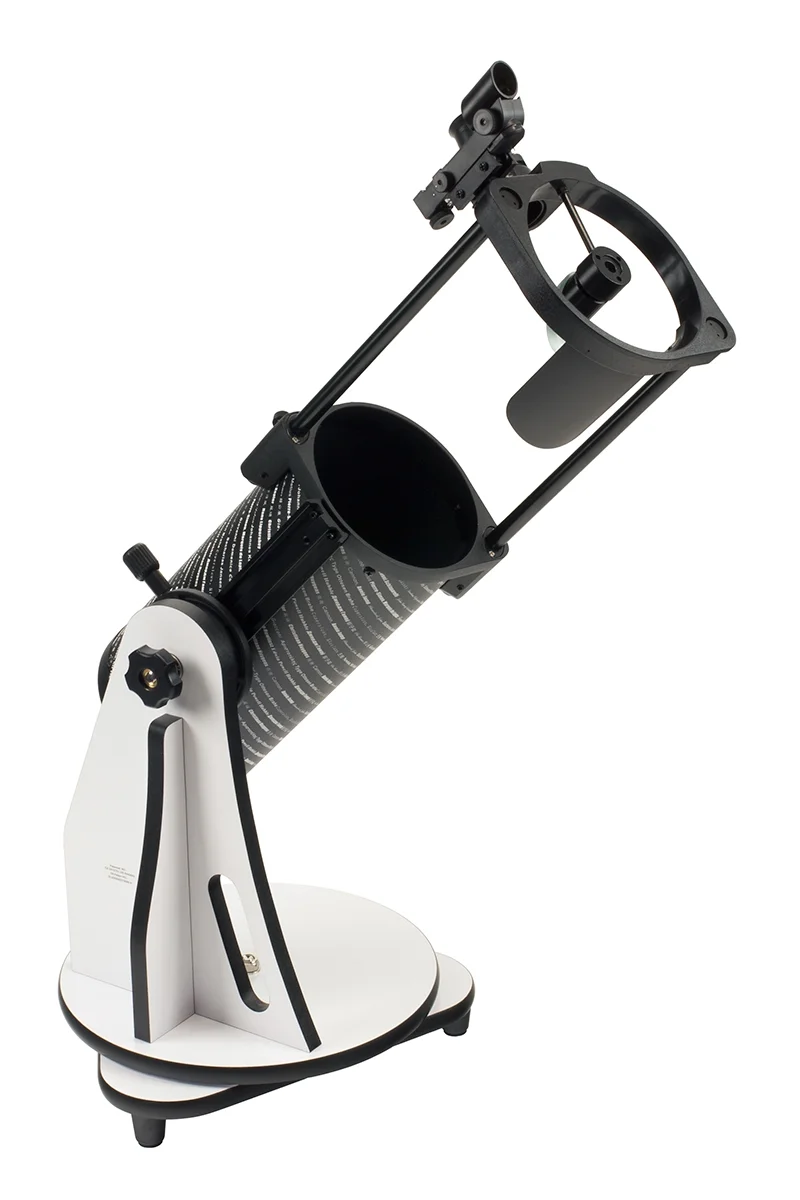
A 130mm parabolic mirror, 650mm focal length and a tube that collapses to fit a cupboard. The most recommended first telescope on UK forums for good reason.
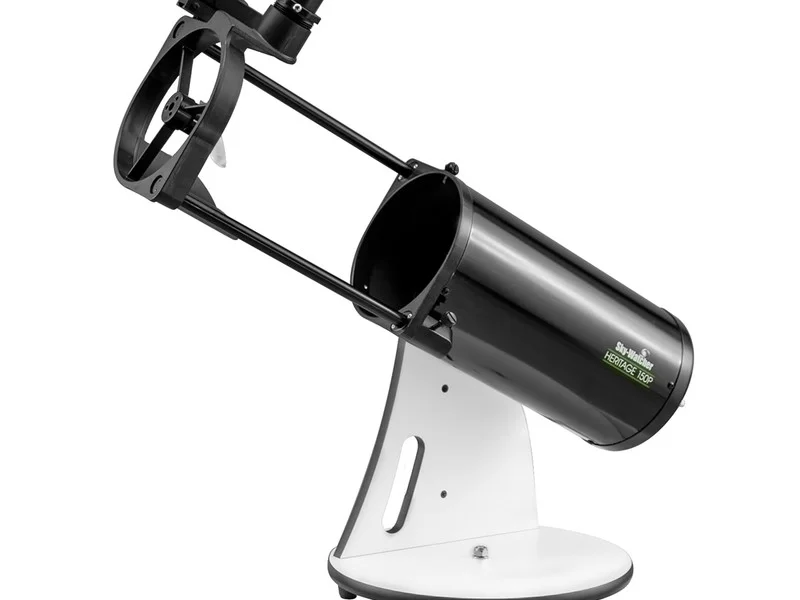
The same idea with a 150mm mirror, which gathers a third more light. Brighter clusters, more nebula, sharper planets, and still a two-minute setup.
Affiliate links: you pay the same price, we earn a small commission that helps keep WatchTheStars free.
Both are tabletop telescopes. A sturdy garden table, a low wall or a cheap garden stool at about waist height is all they need.
Sky-Watcher Skyliner 200P, 250PX and Explorer 200P: the step-up reflectors
The Skyliner 200P is the telescope most UK amateurs own, because 200mm of aperture at £341 is the best value in the whole hobby. It gathers 2.4 times the light of the Heritage 130P and 1.8 times the light of the 150P, which is the difference between knowing a galaxy is there and seeing its shape. The cost is bulk: a 1200mm tube and a 23kg total weight. The Skyliner 250PX adds a 254mm mirror and a collapsing tube for £619, and the Explorer 200P EQ5 puts a 1000mm f/5 version of the 8-inch mirror on an equatorial mount for £599. All three are Newtonians, so budget two minutes before each session for a collimation check; our guide to how to collimate a telescope shows how, and the £6 Rigel Aline cap is the only tool you need.
Skyliner and Explorer: the 8-inch and 10-inch step-ups
Full-size Dobsonians, plus the same mirror on an equatorial mount
A Skyliner stands on the ground on a rocking-box base. An Explorer is the same optical tube bolted to an equatorial mount instead, which tracks the sky but takes longer to set up.
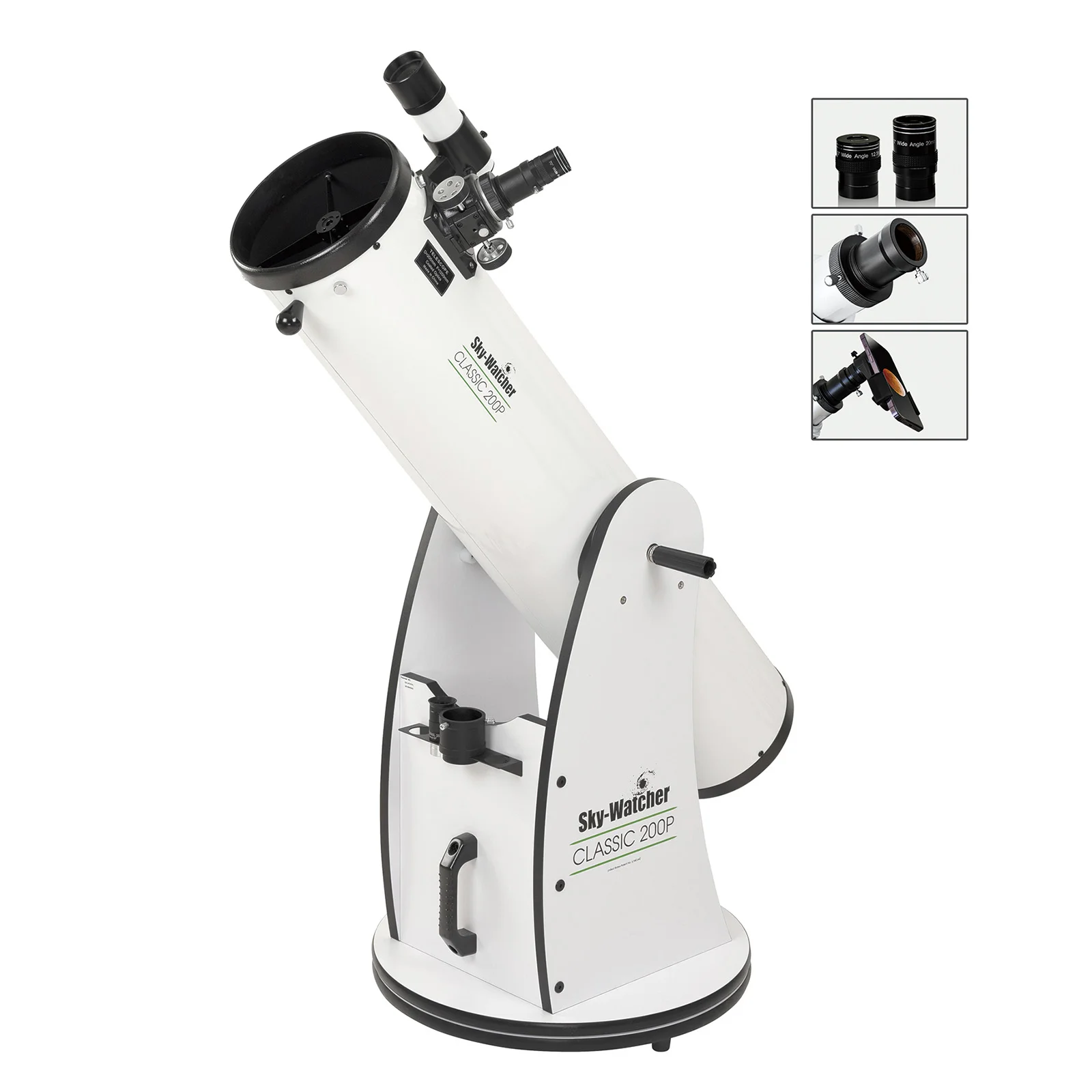
200mm of aperture and 1200mm of focal length for the price of a good eyepiece set. Galaxies, globular clusters and nebulae from a dark site, planets from anywhere.

Sky-Watcher Skyliner 250PX FlexTube
A 254mm mirror gathers 60 per cent more light than the 200P. The tube collapses for the car, but at around 32kg all in it needs a home.

The Dobsonian's mirror on a tracking equatorial mount. Add the SynScan upgrade kit later and it becomes a GoTo imaging platform.
Compare all our telescope picks
Honest, research-based recommendations for every budget.
Browse all →Affiliate links: you pay the same price, we earn a small commission that helps keep WatchTheStars free.
Sky-Watcher Evostar 90 and Evostar 72ED: the refractors
Sky-Watcher's two Evostar refractors do different jobs, and the names hide it. The Evostar 90 EQ2 is a visual telescope: a 90mm achromatic lens with a 900mm focal length on a basic equatorial mount, £227, with no collimation ever and views of the Moon and planets that look etched. The Evostar 72ED is an astrophotography telescope: a 72mm ED doublet with a 420mm focal length and a 2kg tube that a Star Adventurer GTi carries with ease. Through an eyepiece the 72ED is sharp but small, and faint objects stay faint. We compare it directly with the 130P in Heritage 130P vs Evostar 72ED, because people regularly buy the wrong one.
Evostar: the refractors
Sealed tubes, no collimation, sharp planets
Evostar is Sky-Watcher's refractor range. The Evostar 90 is a long achromat for looking at the Moon and planets; the Evostar 72ED is a short ED doublet built to put a camera behind.
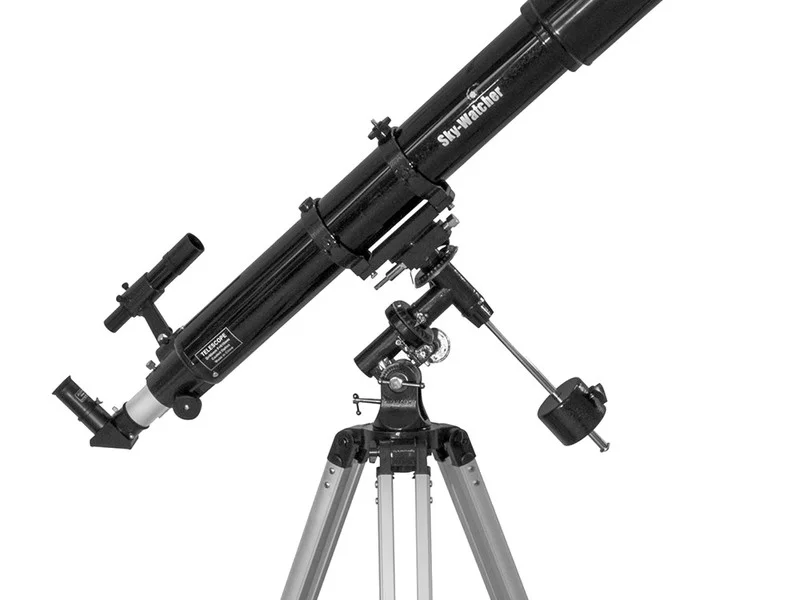
A 90mm f/10 lens on an EQ2 equatorial mount. Crisp views of Saturn, Jupiter and the Moon, no mirrors to align, and a first lesson in how equatorial mounts work.
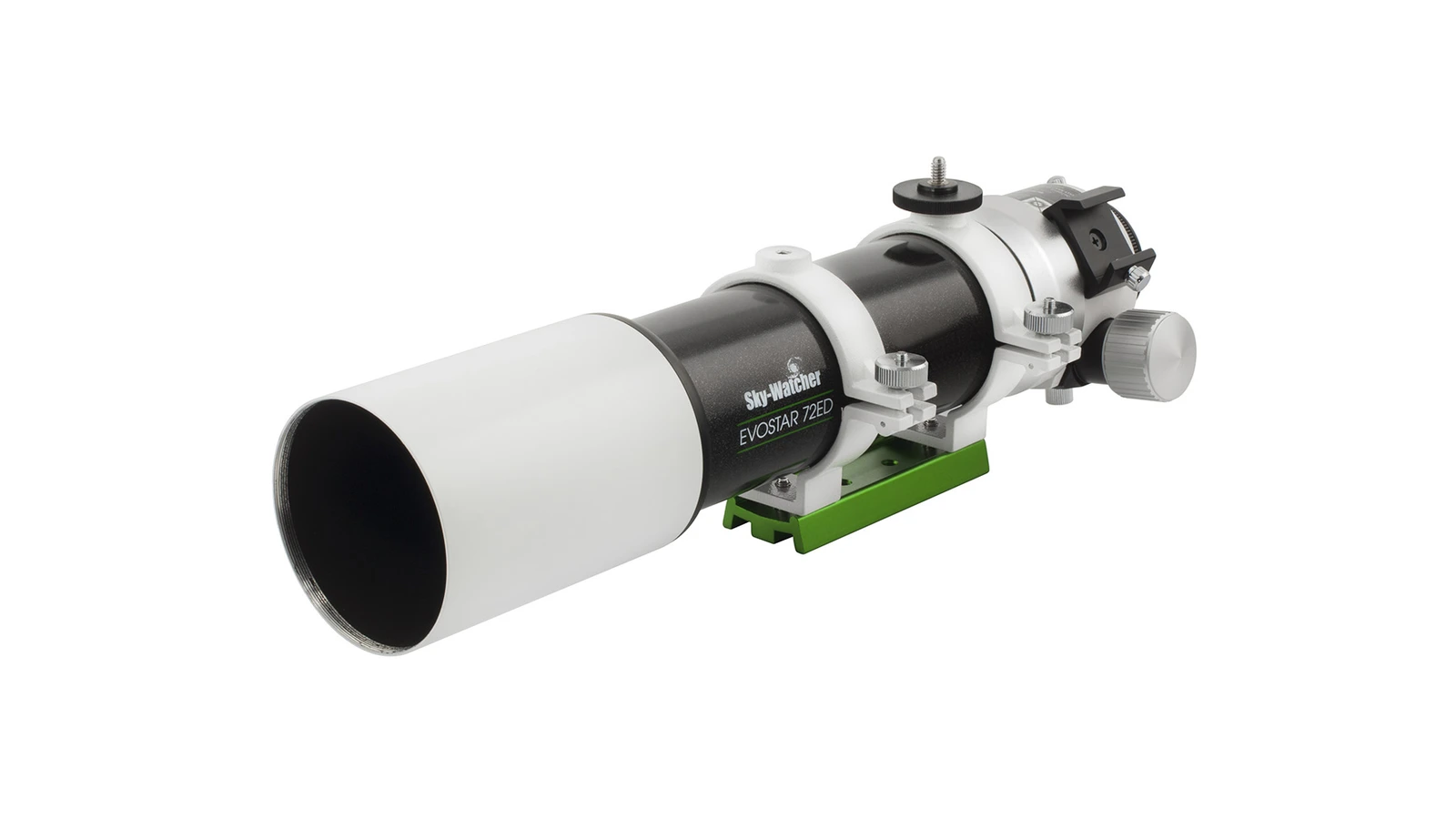
Sky-Watcher Evostar 72ED DS-Pro
A 72mm ED doublet at 420mm focal length and about 2kg. The UK standard first imaging scope on a Star Adventurer GTi. Not a visual telescope.
Affiliate links: you pay the same price, we earn a small commission that helps keep WatchTheStars free.
The 72ED DS-Pro is being replaced by the Evostar 72EDX. First Light Optics now lists the ED-Pro range rather than the exact model we reviewed; the optics and the advice are the same.
Sky-Watcher Skymax 127: the planetary Maksutov
The Skymax 127 is the best planetary telescope under £600 in the UK, and it is the one we point people to when planets and the Moon are the whole point. The folded Maksutov design packs a 1500mm focal length into a 3.4kg sealed tube, so high magnification is cheap and easy: the supplied 28mm eyepiece gives 54x and a 10mm gives 150x. Nothing needs collimating, damp nights do not get at the mirrors, and the bundle includes the AZ-GTi GoTo mount for £547 all in. The limits are a narrow field and f/11.8 optics that make big nebulae and the Pleiades a squeeze. Our Saturn and Jupiter pages show what to expect at the eyepiece.
Skymax: the Maksutov for planets
1500mm of focal length in a 3.4kg tube
Skymax is the Maksutov-Cassegrain range. A folded light path gives long focal length in a short sealed tube, which suits the Moon, planets and double stars better than anything else at the price.
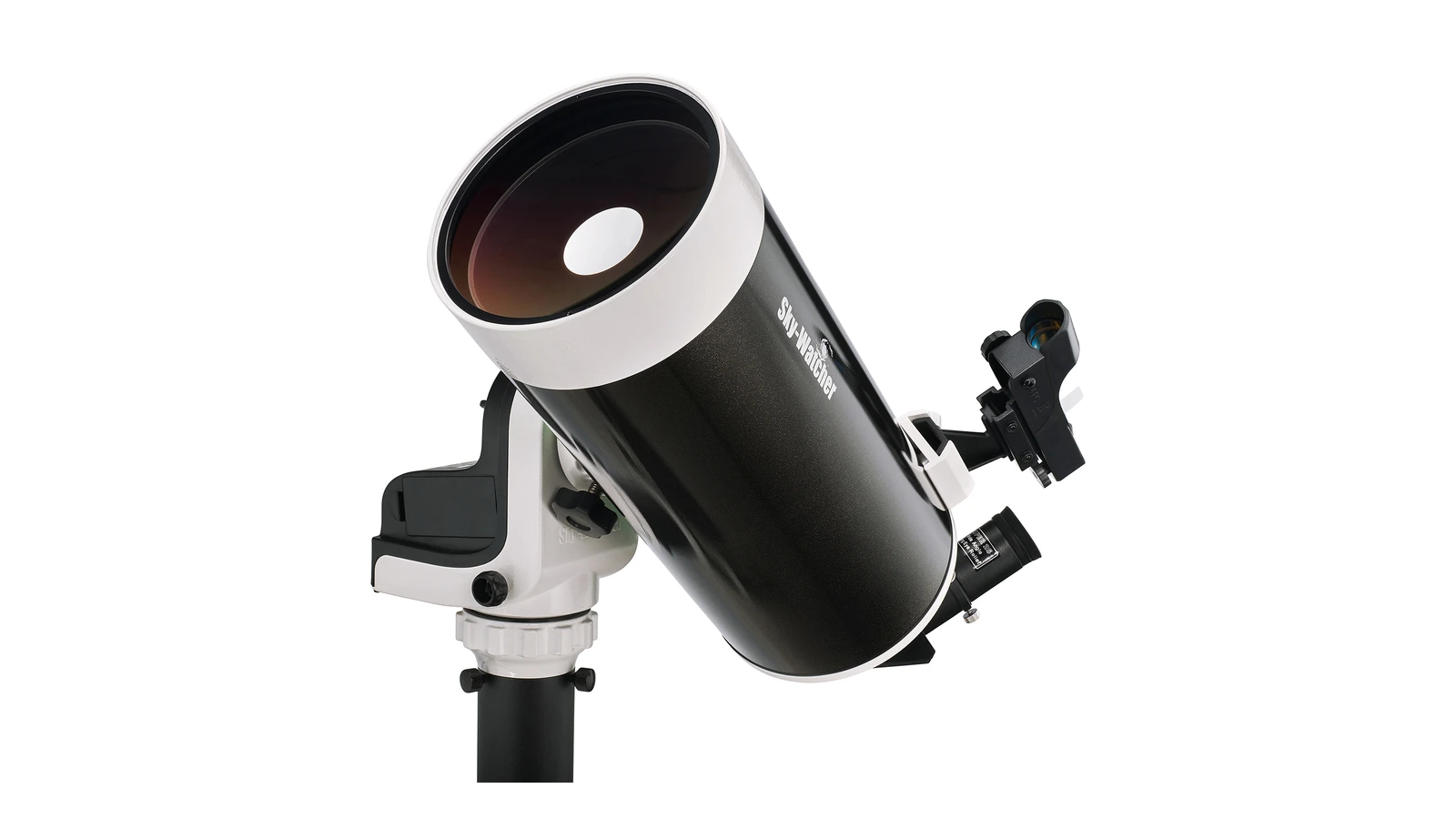
127mm aperture, 1500mm focal length, no collimation, and the AZ-GTi GoTo mount in the box. The answer UK forums give to 'what is best for planets from my garden'.
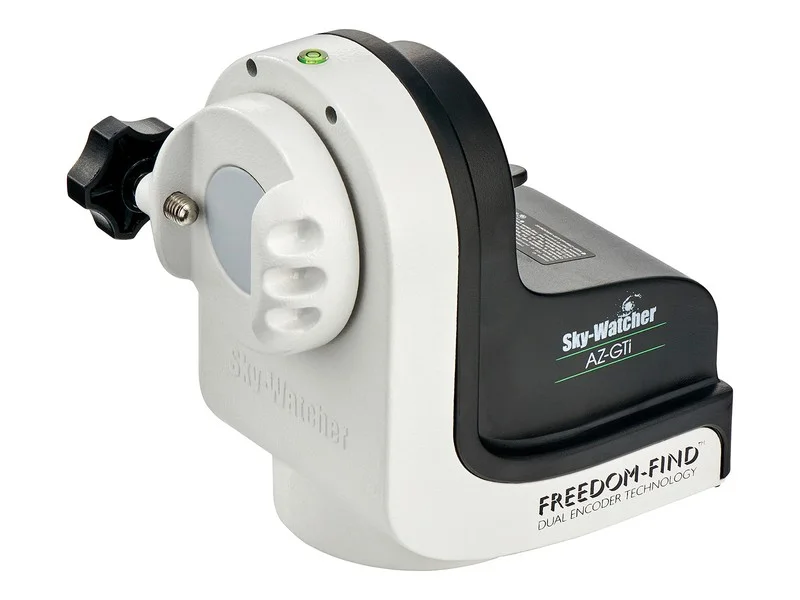
Sky-Watcher AZ-GTi
A 5kg-payload alt-azimuth GoTo mount driven from your phone. Sold on its own too, for anyone with a small refractor or Maksutov already.
Affiliate links: you pay the same price, we earn a small commission that helps keep WatchTheStars free.
Sky-Watcher mounts: Star Adventurer, AZ-GTi, EQ3-2, EQ5 and HEQ5 Pro
Sky-Watcher mounts are sold to the whole hobby, under other brands' telescopes as well as its own, because they are the cheapest reliable tracking you can buy. The Star Adventurer 2i (£249) carries a camera and lens; the Star Adventurer GTi (£435) adds GoTo and an autoguider port and carries a 72ED. The AZ-GTi (£249) is a 5kg alt-azimuth GoTo mount for refractors and Maksutovs. The manual EQ3-2 (£232) and the motor-ready EQ5 Pro (£699) carry mid-weight telescopes, and the SynScan upgrade kit (£373) turns the EQ5 into a GoTo mount later. The HEQ5 Pro (£1,039) is the standard UK astrophotography mount with a 13kg payload. Our telescope mount buyer's guide covers payload and polar alignment, and how to polar align is the one skill every equatorial owner needs.
Sky-Watcher mounts: Star Adventurer to HEQ5 Pro
Pick the mount by what it has to carry
Sky-Watcher's mounts outsell its telescopes among astrophotographers. The Star Adventurers carry a camera or a 72ED; the EQ5 and HEQ5 carry full telescopes.
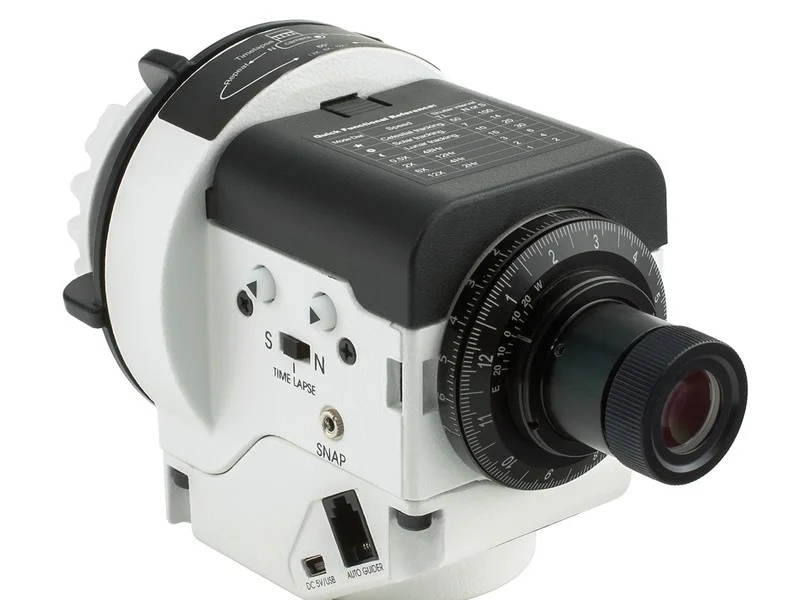
Sky-Watcher Star Adventurer 2i
Sidereal tracking for a DSLR and lens, 5kg payload, WiFi app control. Needs your own sturdy photo tripod and ball head.
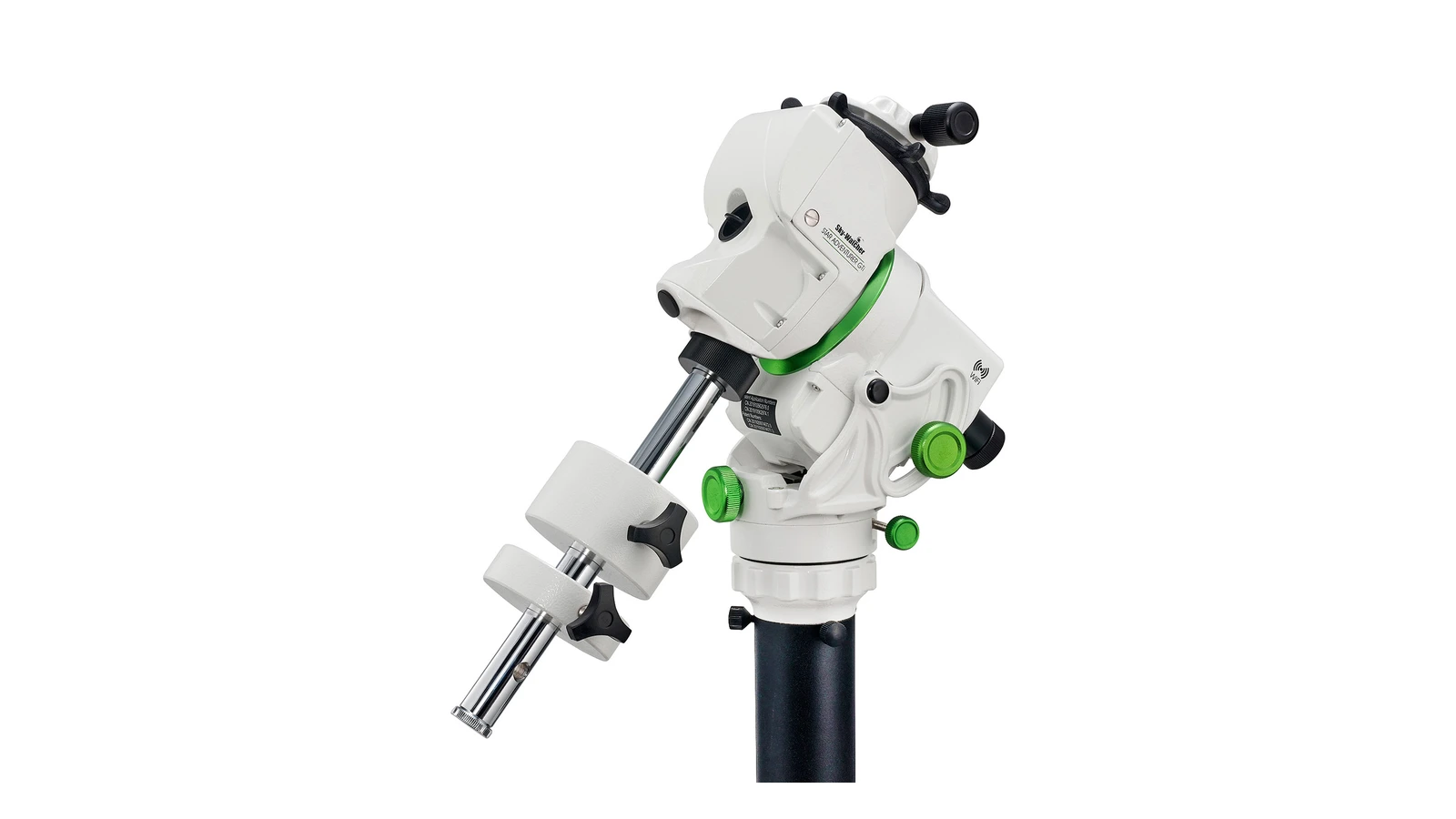
Sky-Watcher Star Adventurer GTi
Adds GoTo, dual-axis tracking and an autoguider port to the Star Adventurer idea. The most common mount under an Evostar 72ED.
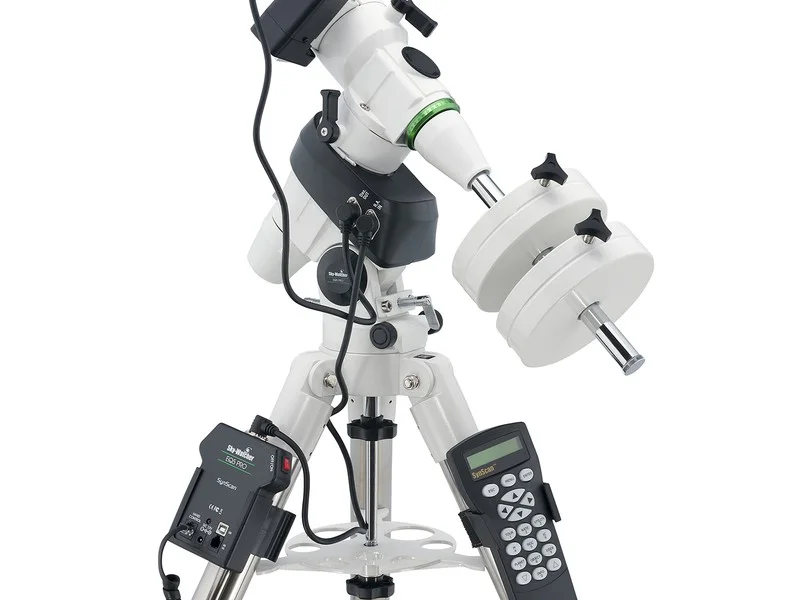
Sky-Watcher EQ5 Pro SynScan
10kg payload for 150mm refractors or 200mm Newtonians. Motor-ready, and the SynScan kit turns it into a GoTo mount later.
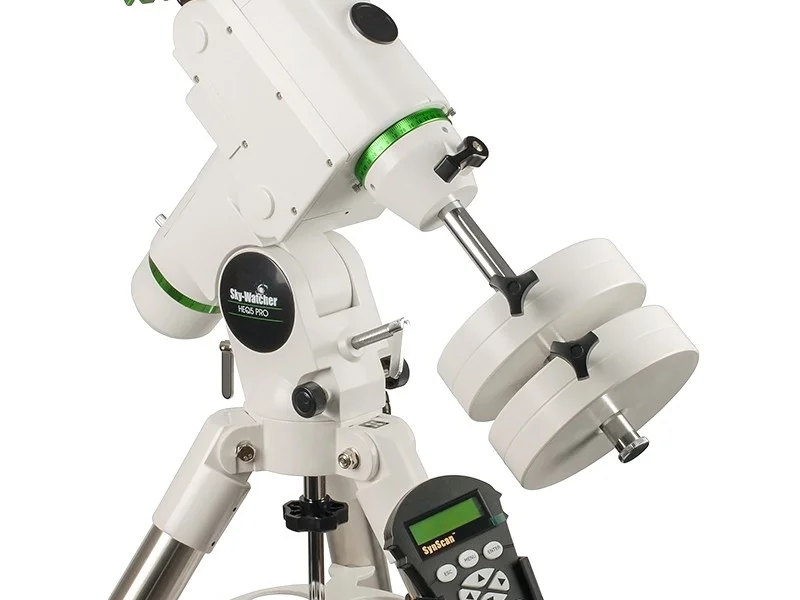
Sky-Watcher HEQ5 Pro SynScan
13kg payload, SynScan GoTo, ASCOM and autoguiding support. The mount most UK deep-sky imagers end up with.
Affiliate links: you pay the same price, we earn a small commission that helps keep WatchTheStars free.
Where to buy Sky-Watcher telescopes in the UK
Buy Sky-Watcher telescopes from a UK astronomy specialist, not a marketplace seller. We link to First Light Optics in Devon, which holds UK stock of the whole range, sells spares such as replacement eyepieces and collimation tools, and gives a 30-day return window. Sky-Watcher's UK distributor is Optical Vision Limited, and a telescope bought from a UK dealer carries the UK warranty; grey imports from marketplace listings often do not. Prices move with exchange rates, so the cards on this page read the current figure from our product data rather than a number typed when the page was written.
If you are still deciding between a telescope and something simpler, our guide to the best binoculars for stargazing covers the under-£150 route, stargazing for beginners explains what to look at first, and how to use a telescope walks through the first night with any of the scopes above.
How we reviewed this
This is a research-based review rather than a laboratory test. The facts on this page come from the manufacturer's specifications, the First Light Optics listing and its customer reviews, and the long-running owner threads on Stargazers Lounge and Cloudy Nights, checked against what the same kit shows from a typical UK garden. We have not necessarily used every item ourselves; where we have, the page says so. We receive no free equipment, and the retailer links pay a small commission that never changes the price you pay or the verdict we give.
Prices are read from our product data, last checked against First Light Optics on 2 November 2026. Page last updated 6 November 2026. Own this kit and see it differently? Email [email protected] and we will update the page.